


































































On Jan. 7, many Los Angeles residents likely began their day expecting a standard morning routine — some may have tuned into Fox 11’s weather broadcast, hearing meteorologist Soumada Khan say:
“Fire danger, we’ve got red flag conditions and high wind warnings … through tomorrow, the strongest winds later this evening through the overnight hours and into Wednesday morning.”
These forecasts, tied to Khan’s red-flag fire warning estimates, underscore crises that catch communities off guard. Persistent drought, hot pressurized winds called the Santa Ana winds and low humidity all create kindling for wildfires to thrive, according to a drought.gov report.
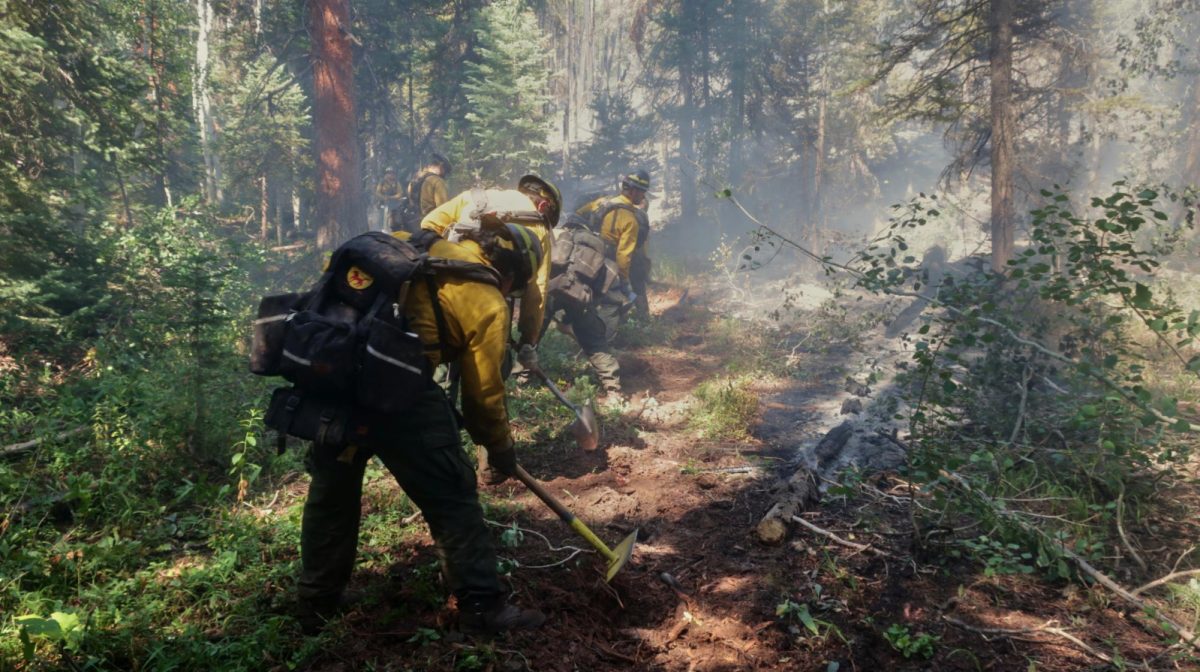
Wildfires have formed in various areas, developing further throughout the past few weeks, including the Palisades, Eaton and more recently, Hughes communities.
Fires in the Palisades and Eaton have burned over 37,000 acres combined, while those in the Hughes area have burned over 10,000 acres. These are comparable to the Tubbs fire in 2018 which was noted in a UC Berkeley study to be one of the most destructive in Southern California’s history, burning approximately 36,000 acres.
While the exact cause is undetermined, some reports suggest a previously contained fire on New Year’s Day in tandem with Santa Ana winds may have blown embers into the Palisades area and reignited the flame. This aligns with the wind speed, heat, variability and the area’s history of excessively dense or dry vegetation.
Besides external conditions, another component of understanding wildfires holistically is through the role of fire itself. In an interview with The Chew, Daniel Leavell, associate professor of practice at Oregon State University’s College of Forestry, said, “Fire is not a risk; fire is a hazard … Like a chainsaw is a hazard, (or) your car is a hazard — it can be beneficial and it can be detrimental … The probability of the hazard causing a degree of harm is the risk.”
With fire harboring the ability to change, Leavell drew attention to this large misconception, he feels, many people lose sight of. “If we understand that, we can put the practices in place … we can do so many practices in the structure or around the structure and really make a difference,” Leavell said.
Through an emphasis on understanding, established institutions can also aid in researching pathways in which fires like those in Los Angeles form.
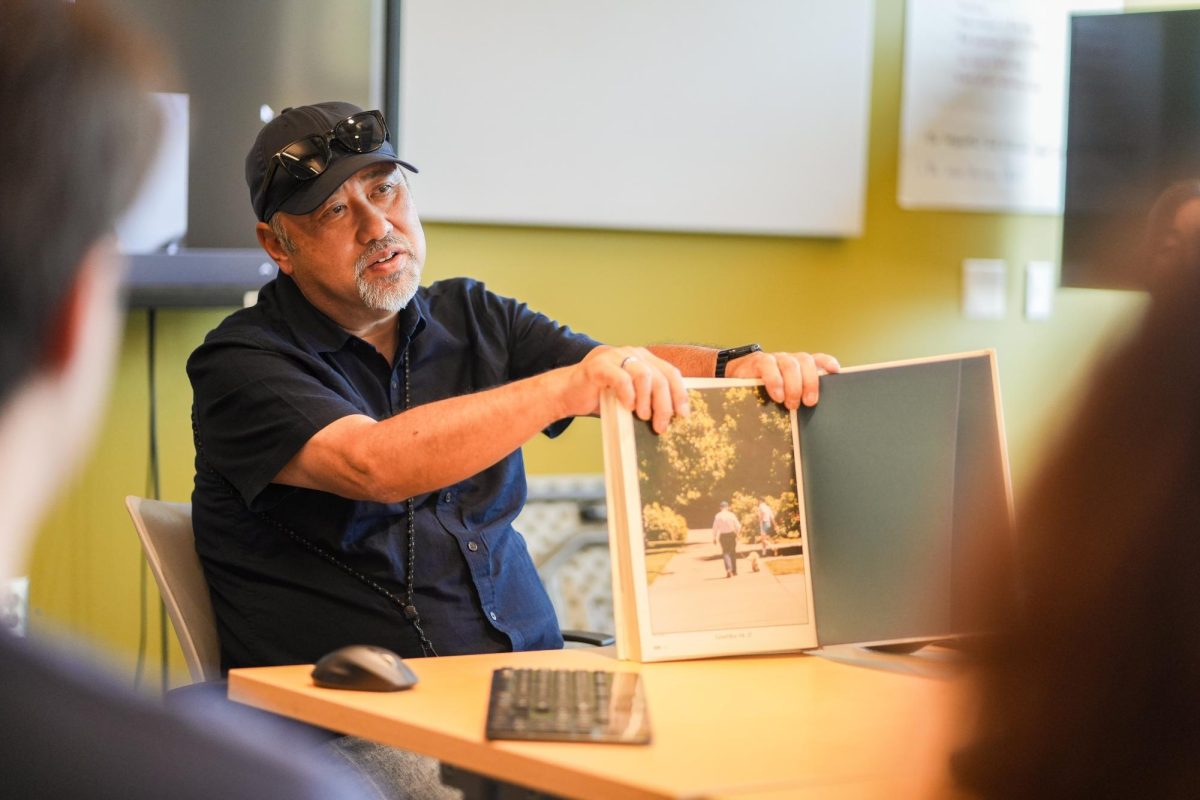
David Blunk, associate professor in OSU’s College of Engineering, specializing in ember formation and spread, built upon Leavell’s comments:
“Usually when we have a problem like this, we take what we know is happening to cause this fire to spread, and what we do not understand from a scientific perspective. Then, you design experiments or do simulations in computers to better understand … The goal is then to link that back to better measures to adapt or new policies to ultimately help reduce the risk.”
OSU researches firebrands — fuel sources that may generate fragments of combustible material — and ember physics. Its knowledge can stem from experiments conducted on controlled vegetation or infrastructure of varying sizes. This allows them to create parallels from the observed behaviors, and apply those findings to structures in more nuanced environments or communities.
“There’s incredible strengths in the College of Forestry, College of Agriculture, College of Engineering,” Blunk said. “Then there’s whole elements about social science … I feel to have all those strengths all within one university really positions us uniquely compared to other universities.”
These efforts hosted by OSU present a multifaceted effort to not only pursue achievements in experimental fields but also the best interest of their students, some of whom have places they call home near the impacted Los Angeles areas.
OSU students on and off campus could have wildfires threatening their families’ homes while they are in town pursuing their studies.
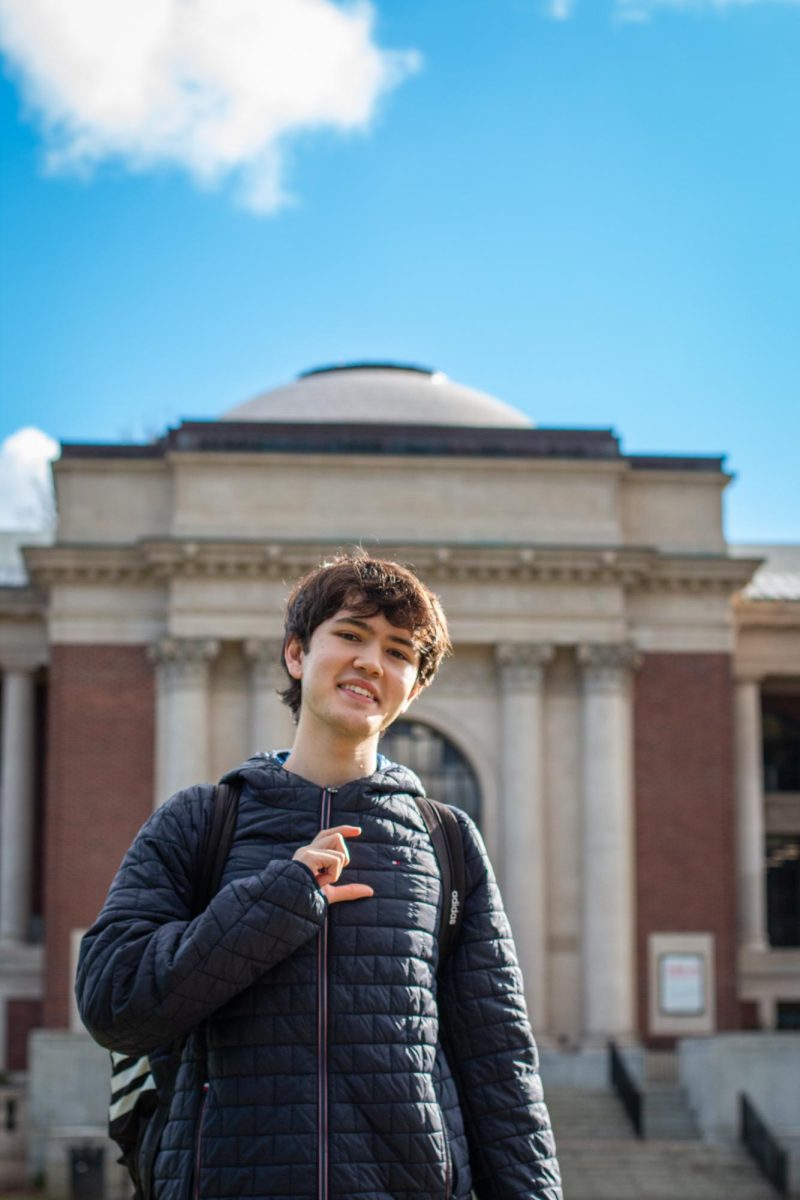
Milo Tisdale, a third-year biology and horticulture major, described how his family in Castaic — a community in northern Los Angeles — was affected by the Hughes fire. “Our house was in the immediate evacuation zone when it first burst out … I was in class and got text messages from my family with pictures that look like a scene from an apocalypse,” Tisdale said.
While resources from OSU are available to all students, other resources, such as those from non-profit organizations, are also available. Tisdale mentioned, for example, a non-profit app called Watch Duty available on most devices.
To address some of the obstacles these students may face, OSU’s Dean of Students Kevin Dougherty sent an email to specific students that said: “We are reaching out to you directly as OSU students from areas directly impacted by these wildfires … Given your direct ties to Southern California, we are reaching out to provide care and support.”
The email outlined areas of care and support including the Student Care Team, Counseling and Psychological Services, the Graduate School or the Office of the Registrar. For more information on available resources, visit https://experience.oregonstate.edu. Students are encouraged to reach out to these resources for support.