























































Editor’s Note: This is a column and does not reflect the views or opinions of The Daily Barometer.
In May 2026, Brendan Sorsby, one of the most awaited college football transfers to Texas Tech University, admitted to betting over $90,000 on online sports betting apps.
Forty of the admitted bets were placed on his former team.
The admission followed a rehab stint for a gambling addiction in April.
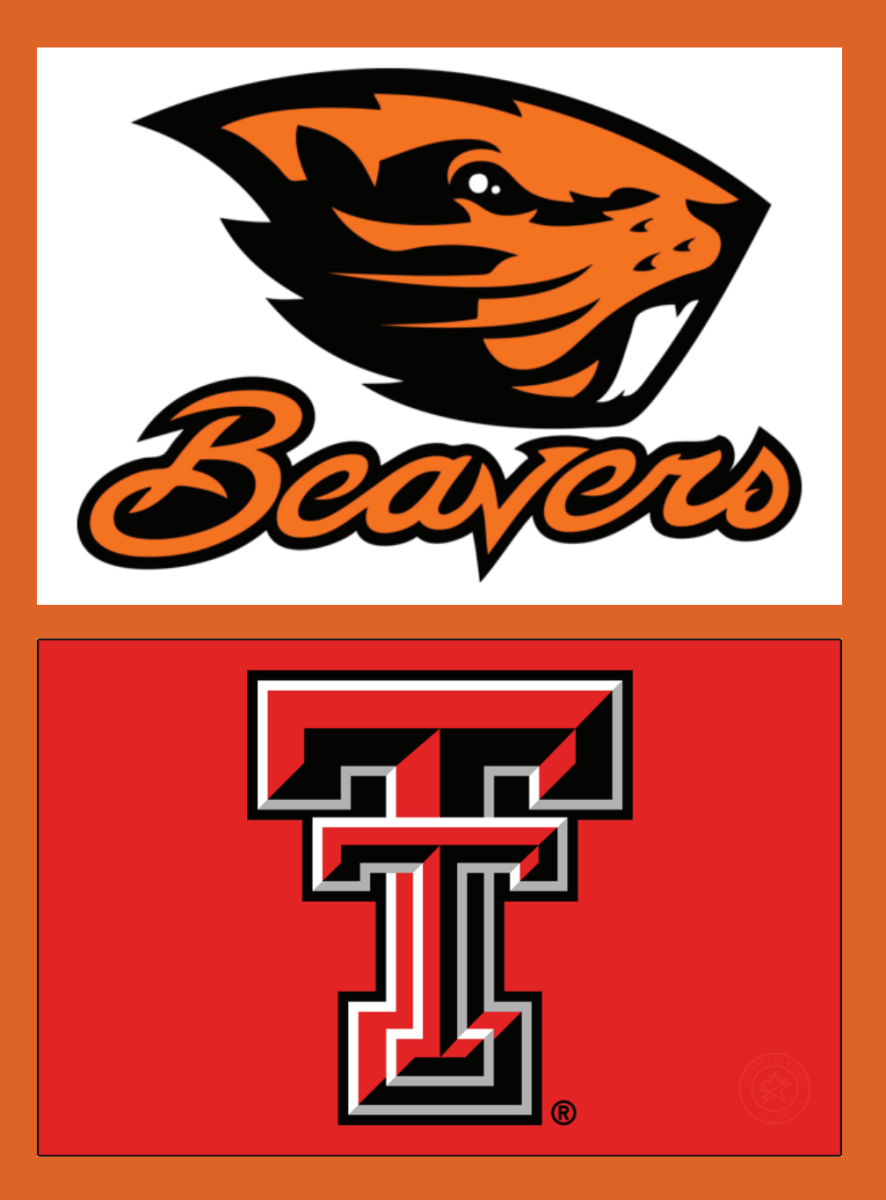
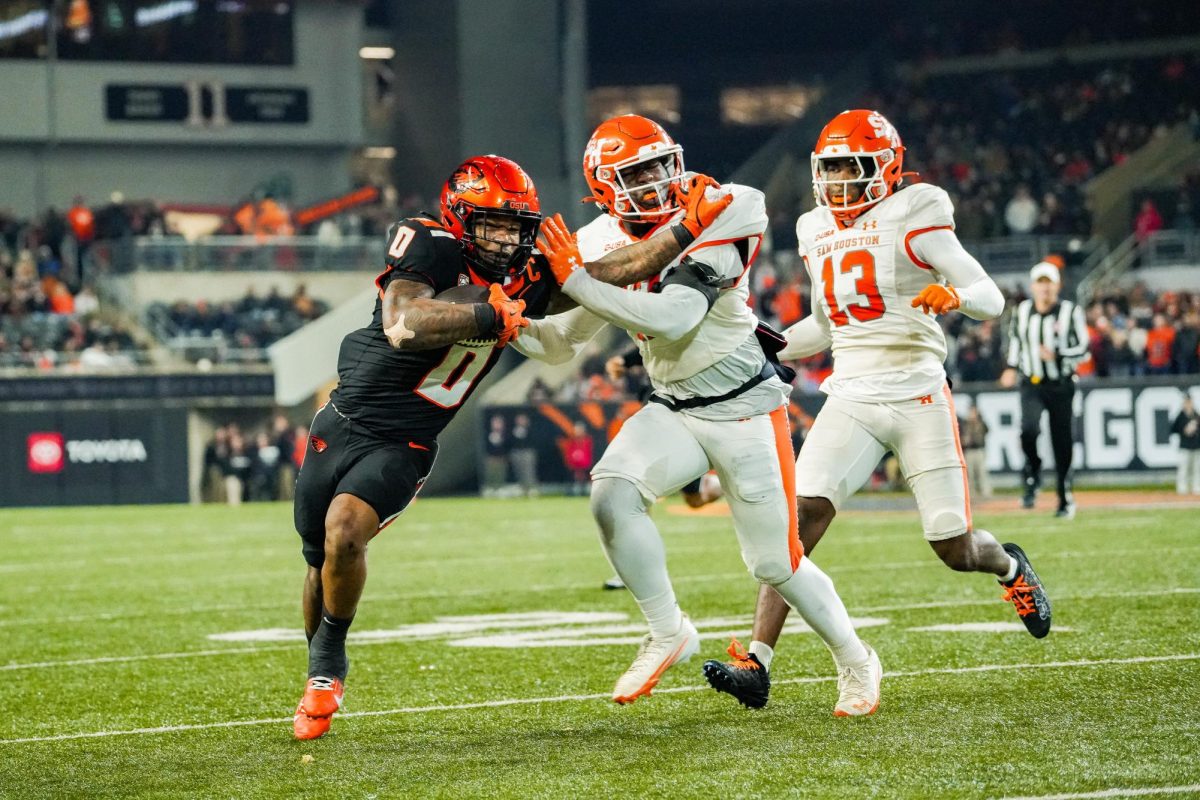
Now, Oregon State football is set to play the Texas Tech Red Raiders on September 12 at Reser Stadium. In order to preserve accountability for student-athletes, Oregon State should cancel the game and reexamine their relationship with Texas Tech athletics.
Sorsby’s actions directly violate the NCAA rules on gambling which state that athletes who bet on their own teams face a permanent ban from student-athletics.
However, Sorsby and his attorneys brought the case to a Texas judge who ruled that the NCAA rules ignored the athletes well-being and granted Sorsby an injunction against the organization. The NCAA has now appealed this decision to a federal court where it awaits review.
Sorsby and his attorneys consistently pointed to Sorsby’s lack of point shaving as a reason for his reinstatement to the NCAA and eligibility for the 2026 NFL supplemental draft. The attorneys argued that because Sorsby did not bet on any games in which he played (the majority of the bets were when he was redshirting for the Indiana Hoosiers), he does not deserve the punishments inflicted upon him.
However, the lack of point shaving is inconsequential when it comes to the insider knowledge even a redshirt would have over the regular bettor.
The NFL seemingly agrees, as they have suspended Sorsby from the 2026 supplemental draft, though they have ruled he is eligible for the 2027 draft. This ruling suggests that Sorsby will not play collegiate or professional football for the remainder of the year.
Throughout the controversial process, Texas Tech has stood by Sorsby.
After the NCAA’s initial decision, the university appealed for Sorsby’s reinstatement on June 5. The Red Raiders accepted a two-game suspension for the athlete, planning on playing him throughout the remainder of the 2026 season.
The Oregon State game against Texas Tech would’ve fallen on the second game of the two-game suspension.
A statement from Texas Tech’s Director of Athletics Kirby Hocutt on June 10 clearly expressed the department’s attitudes.
“Pulling [Sorsby] out of a structured environment, away from his team and his support system, does not protect anyone,” Hocutt said. “It might be a cleaner headline, but it wouldn’t be the right one. And it wouldn’t be true to the institutional values that guide us every day.”
It was only after Sorsby made the personal decision to leave college football that Texas Tech parted ways with the controversial quarterback.
This attitude directly contrasts responses to other violations of NCAA gambling laws in the recent past. When Division I men’s basketball players were exposed of betting on the outcomes of games involving their own teams in 2023, direct action was taken and the associated parties permanently lost remaining NCAA eligibility.
Furthermore, the universities of the players acceded to the NCAA rulings.
While the story is ever-evolving, it begs the question whether or not Oregon State football should host an athletics department with a lackluster attitude towards insider sports gambling. I say we shouldn’t.
Efforts to reach out to Oregon State athletics and football administration regarding the 2026 schedule garnered no response.
Texas Tech, through their defense of a player who directly violated NCAA rules, has solidified their position on the wrong side of an emerging issue.
When Wake Forest football cancelled a scheduled game against Mississippi less than 12 months in advance, they were required to give $750,000 in compensation to Mississippi. However, the potential compensation fee is well worth it to take a stand against student-athlete betting and preserve the sanctity of college sports.
Two other universities, Georgia and Nebraska, have taken a stand against Texas Tech releasing statements that their teams will not schedule any contests against Texas Tech in any sport.
Oregon State should join them.
