



















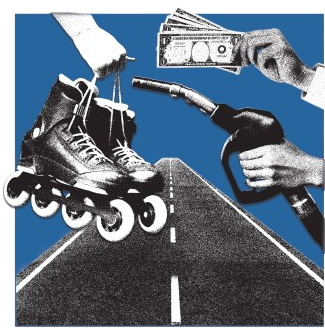




Filling a tank shouldn’t cost us $40 nowadays and asking your friends for gas money shouldn’t be burdensome. Next time someone uses my debit card when buying gas and asks me to cover half their tank after a ride home, I’m walking.
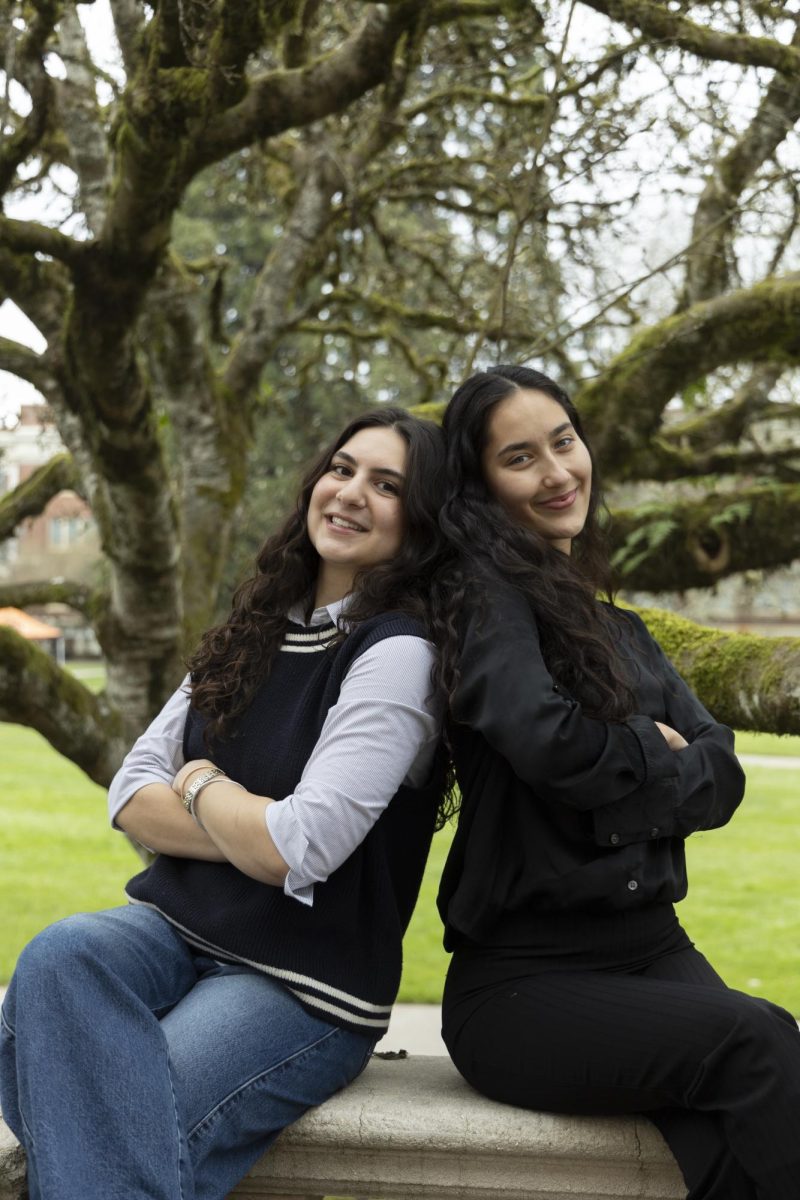
As a personal endeavor—inspired by past editors Fox Perez and Roy Keller’s week of veganism—I decided to go an entire week without using gas in Corvallis at the end of June.
According to AAA’s website, the national average price of regular gasoline remained above $3 per gallon throughout June, while Oregon’s average remained above $4.50. Whether you’re commuting to work, driving to class or taking a weekend trip, transportation costs add up.
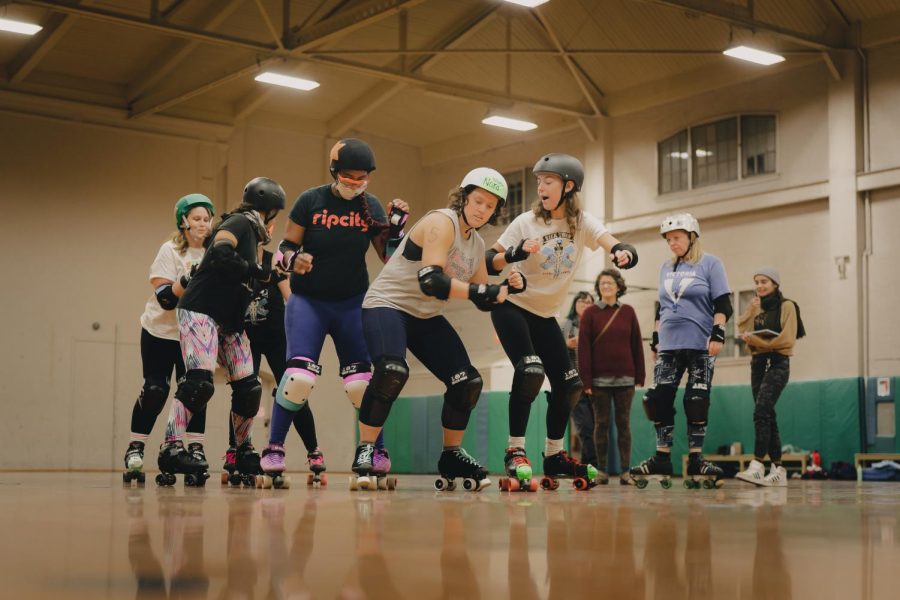
I thought this challenge was going to be a piece of cake since I love being the girl who rolls around campus on custom roller skates, but then I realized three things: we’re entering 90-degree weather, I have an off-campus job and I like to believe I have a social life.
Now, heat was the least of my worries. What I was worried about was carrying groceries home from the market with a bag full of glass bottles to return to the milkman.
The challenge started with a rude awakening. I realized as I stepped out my front door that the Beaver Bus runs on gas, meaning one of my usual shortcuts across town was suddenly off-limits.
After the first day, roller skating to work cut my travel time nearly in half and quickly became my preferred method of transportation.
What began as a challenge slowly turned into a habit.
I learned which sidewalks were smooth enough to skate on and which ones felt like an obstacle course designed by someone who hates wheels. Or hates fun.
Still, a week without gas requires planning. Every errand suddenly matters.
A trip to the farmers’ market is no longer a quick stop—it’s a commitment. When I arrived on Wednesday to exchange my bottles, only to discover the milkman attended Saturday markets exclusively, I had to turn around and walk home milkless and sweaty.
I have rarely felt so betrayed by a man associated with dairy. How dare he?
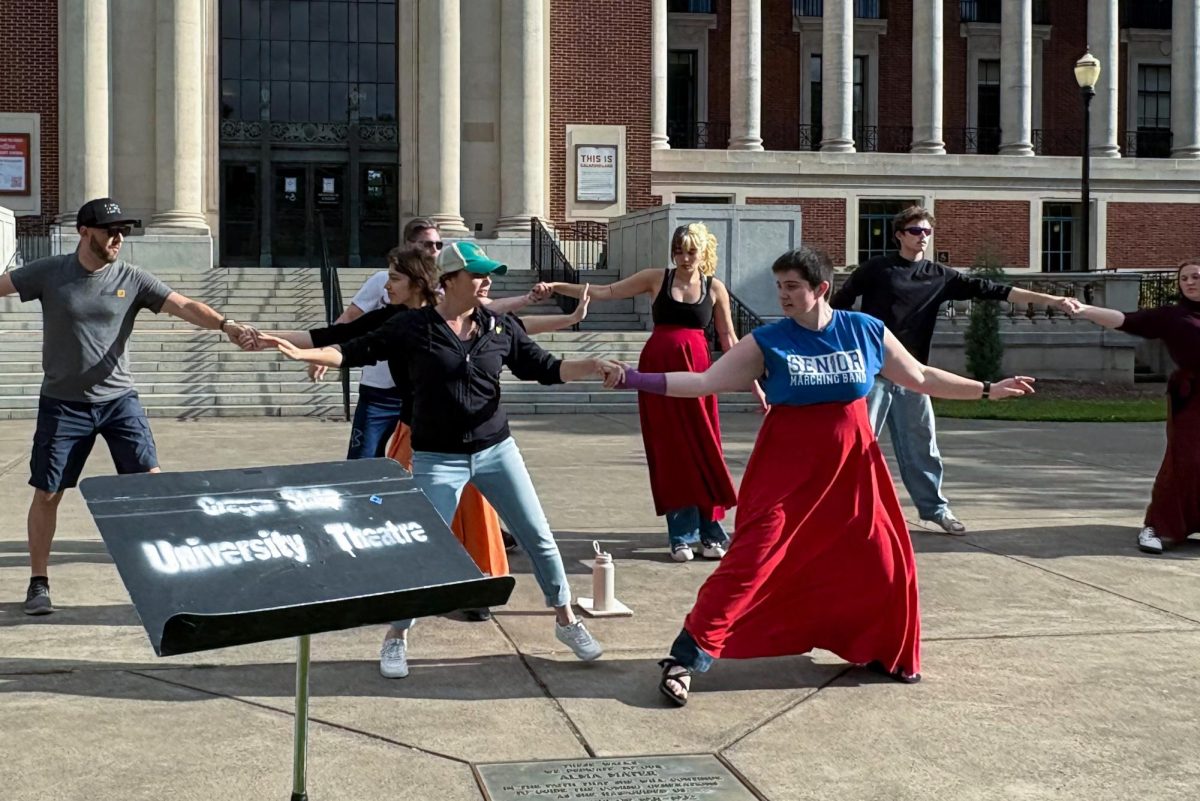
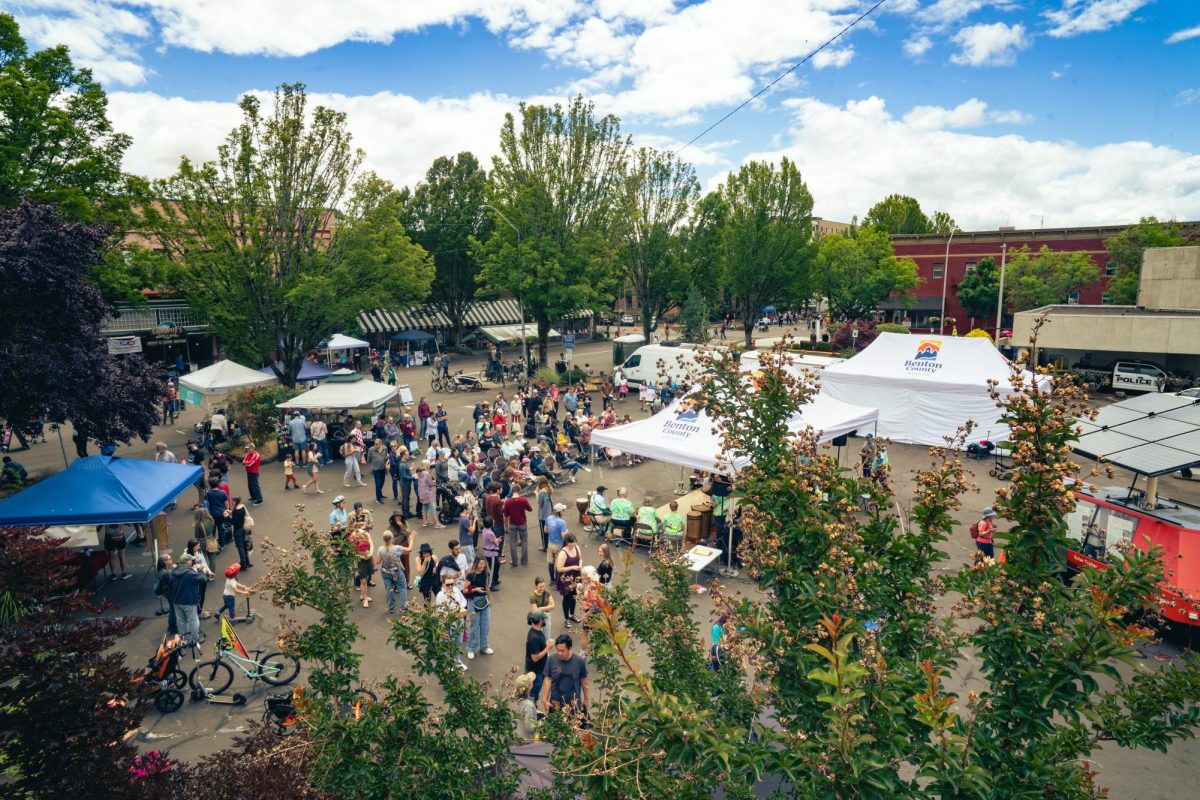
By the end of the week, however, my challenge happened to coincide with an event that felt perfectly timed: Open Streets Corvallis.
For a day, downtown streets typically reserved for cars were opened to pedestrians, cyclists, skateboarders and roller skaters.
When asked about the goal of the event, Charlyn Ellis, an Open Streets volunteer, said, “The goal of the event is to let people take back the streets so that people dominate and not cars for four hours. And then, if we do it right, we do sidewalk talks down the roads with different events, and you remember that people own the streets.”
The streets did feel different. Without cars constantly moving through them, people lingered. Strangers talked to one another. Children treated downtown blocks like playgrounds rather than places to hurry through.
The event also provided an opportunity for local organizations to connect directly with residents. Jess Hume-Pantuso, visitor-services coordinator for The Arts Center of Corvallis, said community engagement was one of the reasons the organization participated.
“Part of my job is being at these sorts of events where I get to connect with kids, adults and Corvallis people of all ages or economic statuses. I really like that it’s something equitable and accessible,” Hume-Pantuso said.
Although my week without gas started as a personal challenge, conversations throughout the festival repeatedly returned to the idea that many destinations in Corvallis are already reachable without a car.
When asked whether communities need more events like Open Streets considering gas prices, Ellis said the answer is complicated.
“Really, you need people who are willing to come together and organize it because there’s permits, signage and all that—so it takes some organizing,” Ellis said.
Hume-Pantuso said the event offers residents a chance to rethink how they move around town.
“I think (events like these) just shows people what Corvallis has to offer and that a lot is in a really walkable distance,” Hume-Pantuso said. “Like, I can drive my car to work, but I could also easily bike and if I really wanted to, I could walk there.”
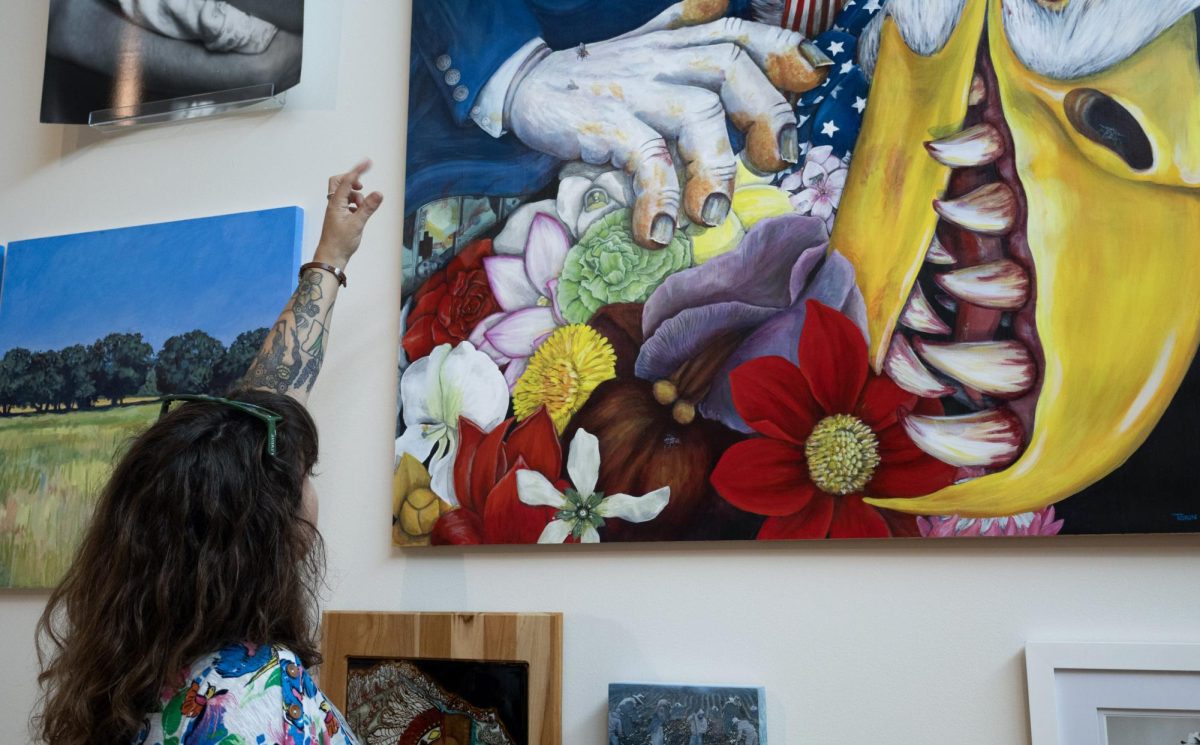
Some local businesses have already embraced that mindset. Britt West, an artist and owner of Plant Posse, said her business encourages employees to bike to work.
“We have a little contest with our staff on whoever bikes the most to work, and whoever bikes the most that month gets a gift card from our neighbors at Laughing Planet,” West said.
A week without gas didn’t convince me that everyone should abandon their cars forever. Sometimes you need a car. Sometimes you need to transport groceries, furniture or, apparently, a bag full of glass bottles.
What the experiment did teach me is that alternative transportation becomes much easier when a city creates space for it. Walking, biking and skating are not just methods of getting around—they’re opportunities to experience a place at a slower pace.
By the time I rolled through Open Streets on the final day of my challenge, I realized the column wasn’t really about gas use.
It was about what happens when people, rather than vehicles, become the center of a community.
And yes, I finally got my milk bottle refund.