
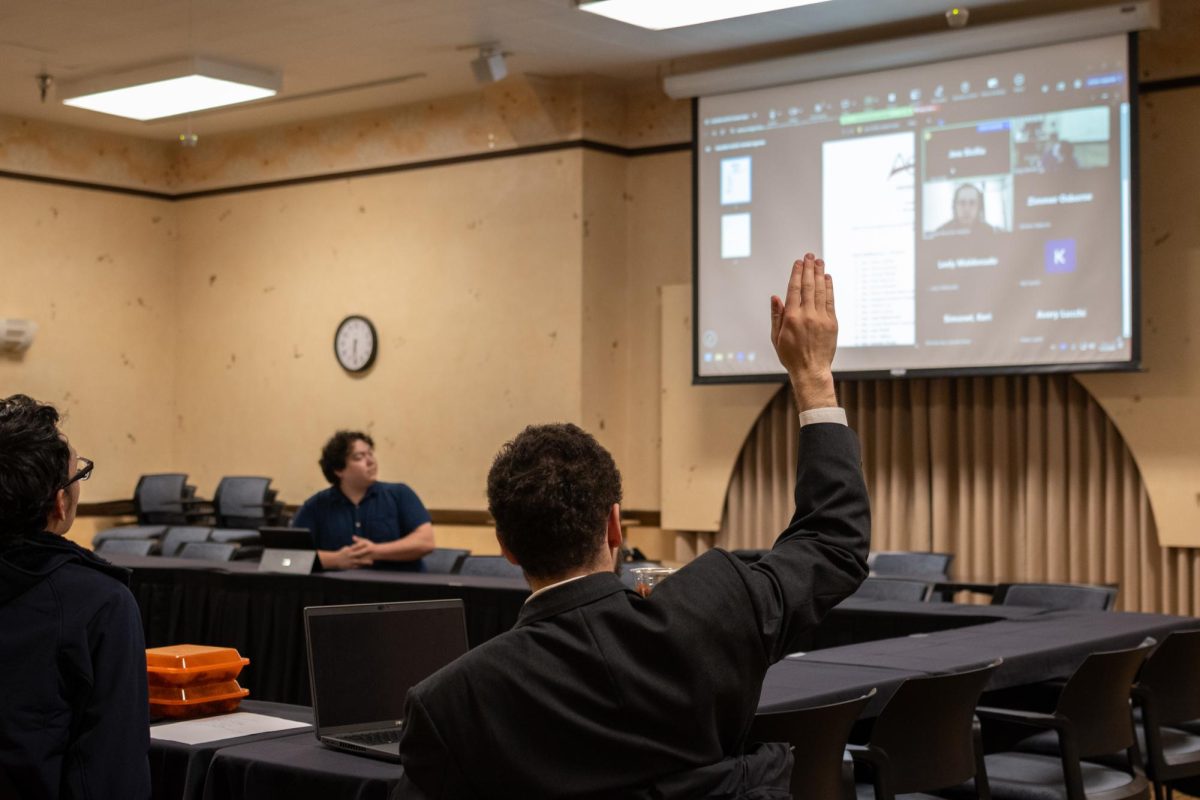




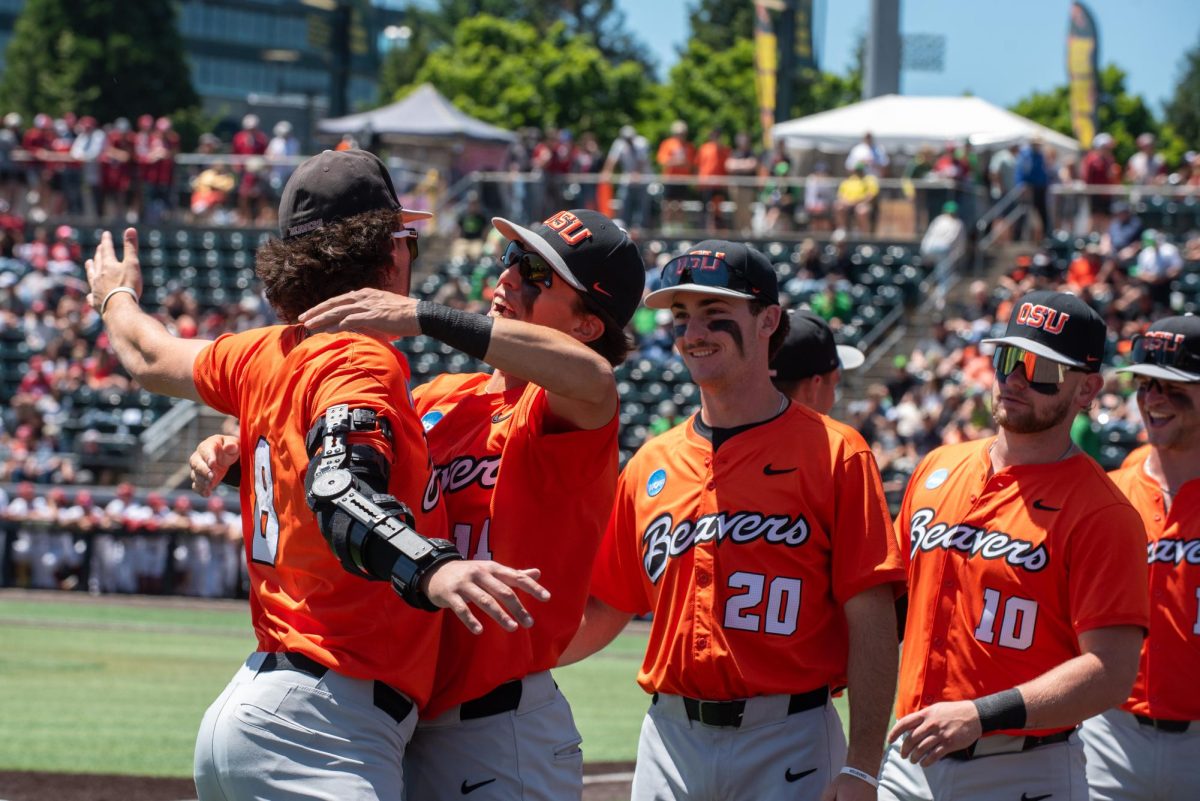
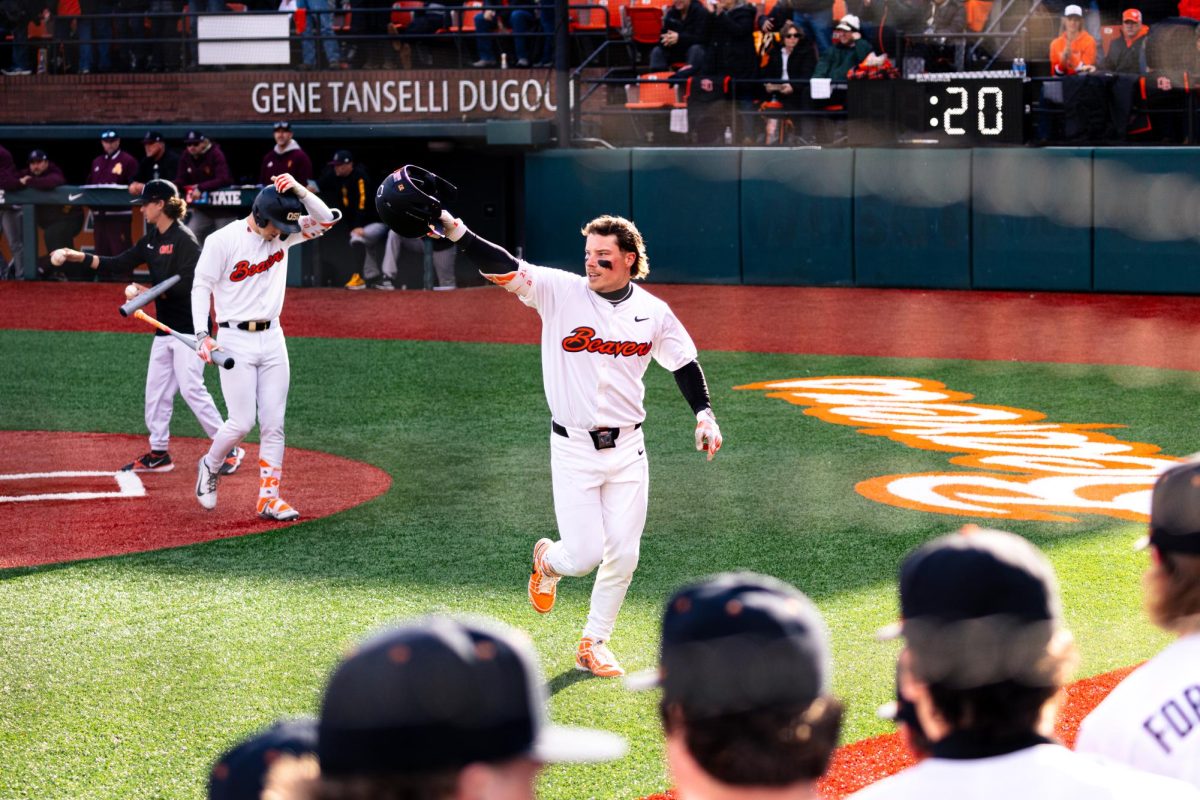
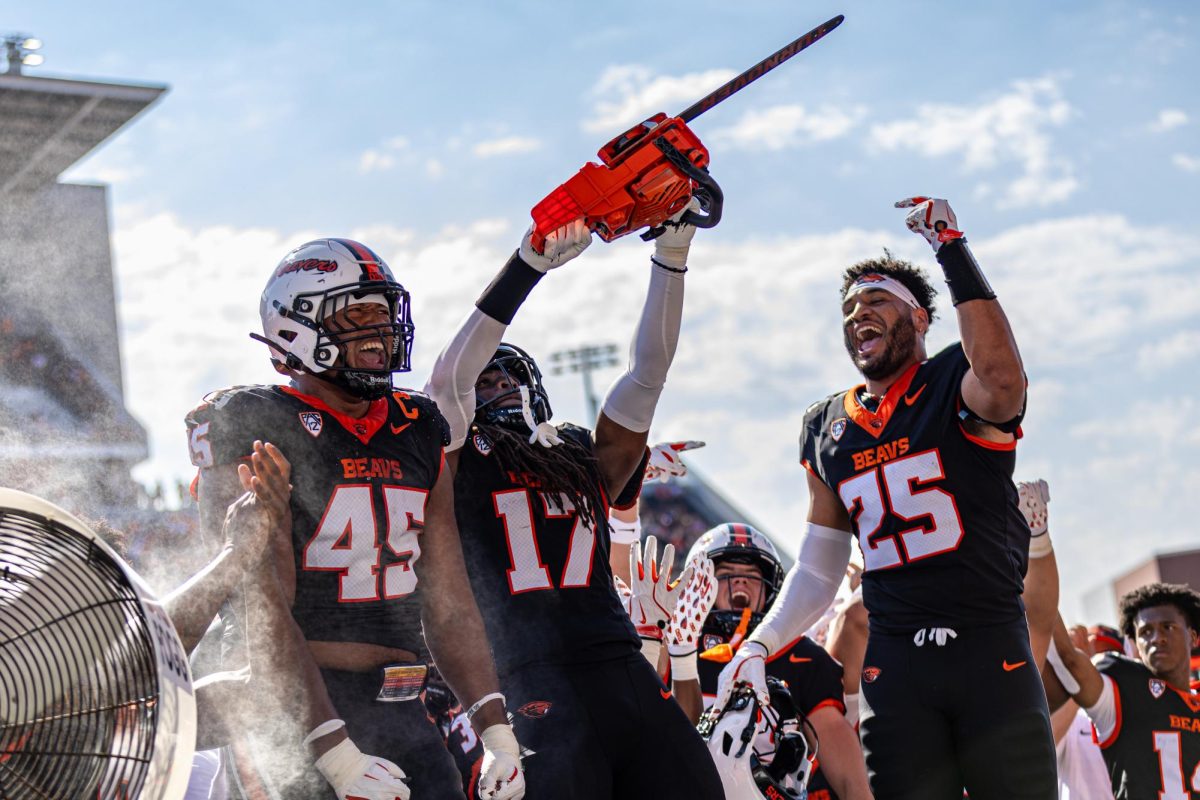
























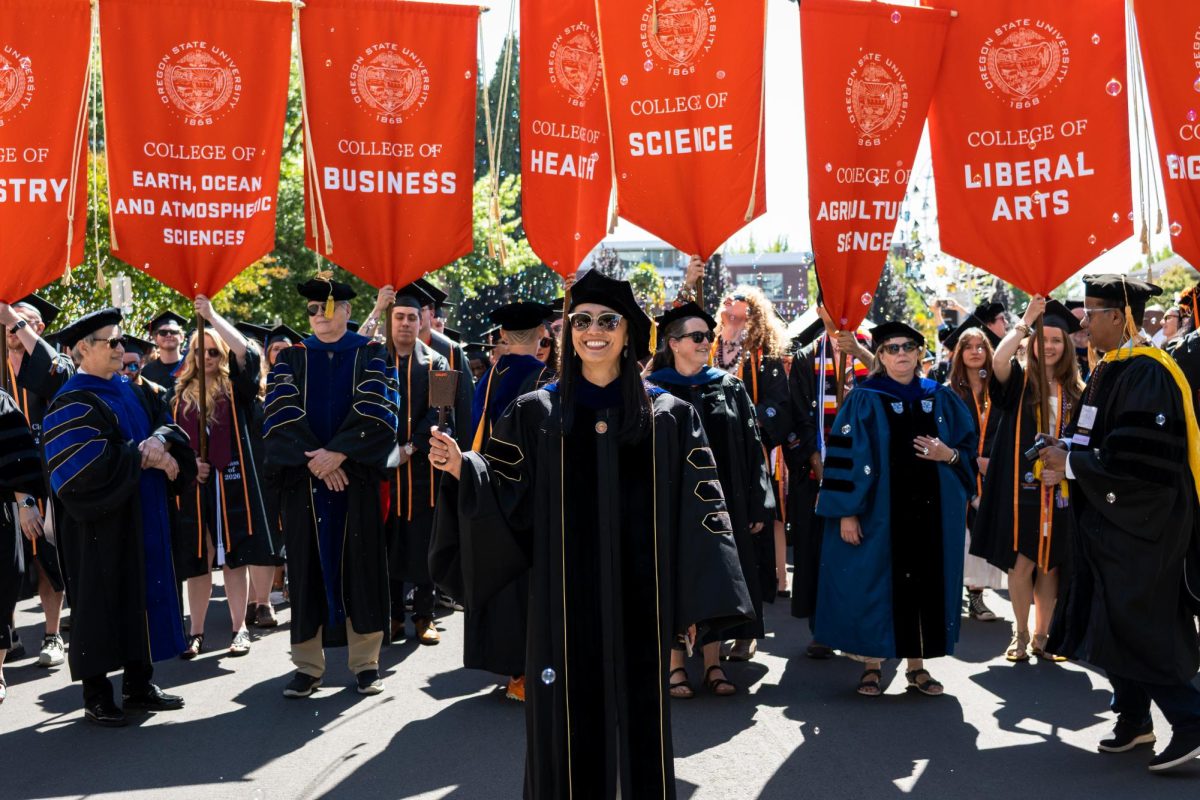

The first graduating class of Oregon State University had three students; the class of 2025 had over 8,000 graduates.
This expansion of our student body is just one aspect of what has made OSU’s culture what it is today. It’s the presence of these people and their stories that shape history: our past, present and future.
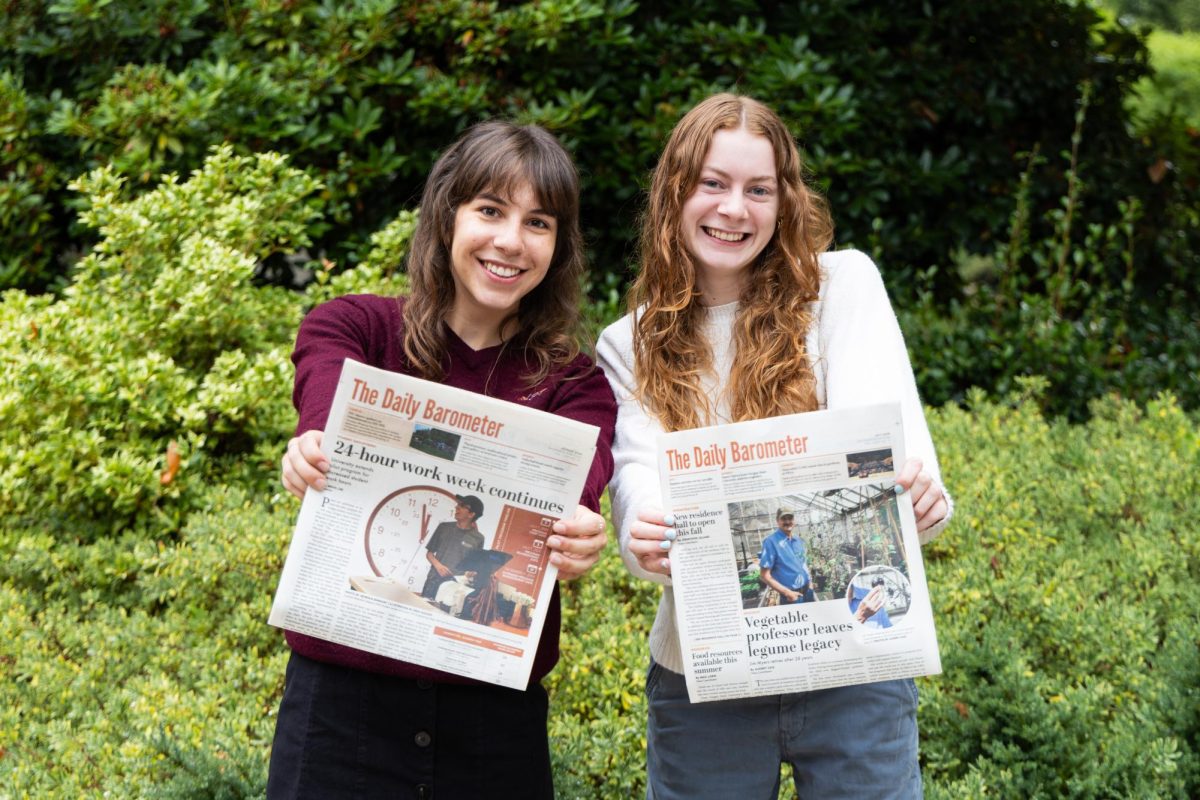
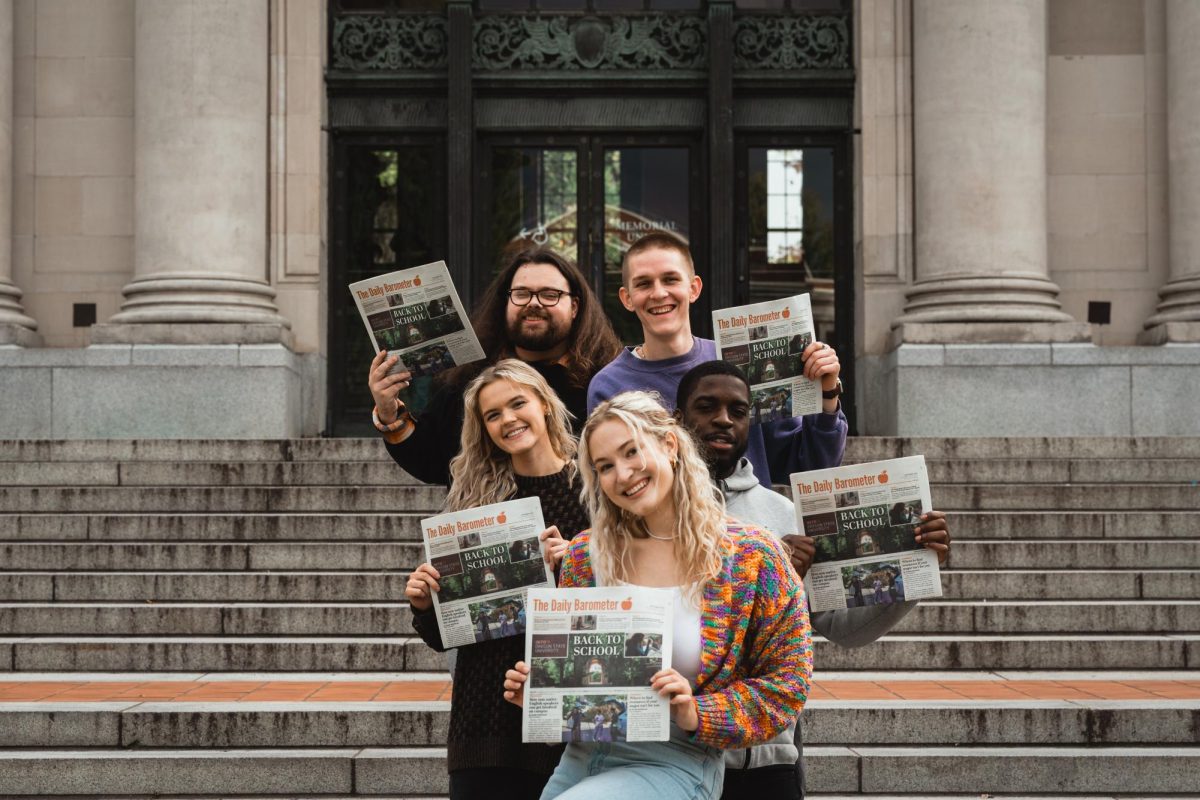
The Daily Barometer’s goal is to capture and amplify the voices of students as a record of time. 2026 marks the 130th year of celebrating student voices on our campus and in our pages.
Without the presence of student news here on campus, there would be a limited record of the impact left by the brilliant minds of this university.
The Barometer team is hosting a birthday party to celebrate the 130 years of student voices represented from our coverage.
The event will be from 5 to 7 p.m. on April 13 in the lobby of the Student Experience Center.
This celebration is our attempt at sharing the history of what is done by our paper, but also a highlight that none of it is possible without the existence of students and their voices.
Originating on March 16, 1896, The College Barometer became the mouthpiece of Oregon Agricultural College.
Over the course of a century and three decades, thousands of pieces have been published, spanning both world wars, the Civil Rights Movement, the rise of technological advances and so much more.
According to OSU’s Special Collections and Archives, the first publication of our paper, under the name The College Barometer, was published as a magazine format on a monthly cycle. This style lasted 10 years.
In 1906, a weekly scheduled publication came out in a newspaper format. By 1923, there were daily publications, leading to the name The Daily Barometer.
Though we now publish monthly, The Barometer has kept the “daily” part. Students, staff, faculty, administrators and every other member of our campus community remain as the daily representatives of life in Corvallis. Our hope is to document that.
All of these voices are welcome and invited to our party and can expect interactive activities, a historical timeline of old Baro publications, snacks and a chance to have their voices be heard.
As an English major, I spend a great deal of time delving into the literary canon — the works of writing and literature deemed the most important and representative of a certain time period.
This paper is this campus’ canon.
It has not historically been an accurate representation of all voices, but efforts have been made in the past to change this and my goal is to continue doing so.
This paper is the product of the care students put into their time at OSU. The Barometer may be the documentation crew, but the community is the story.