












































Through education, place-based partnerships, Guard School and Prescribed Burn Associations, Oregon State University’s Extension Fire Program is creating pathways for everyone to learn, lead and help build more fire-adapted communities.
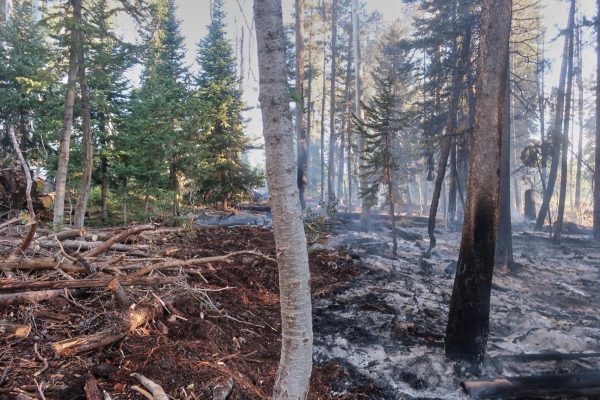
In 2024, nearly 1.9 million acres burned across the state, making it Oregon’s largest wildfire season on record. As Oregon continues to experience increasingly destructive wildfire seasons, preparation has become more important than ever.
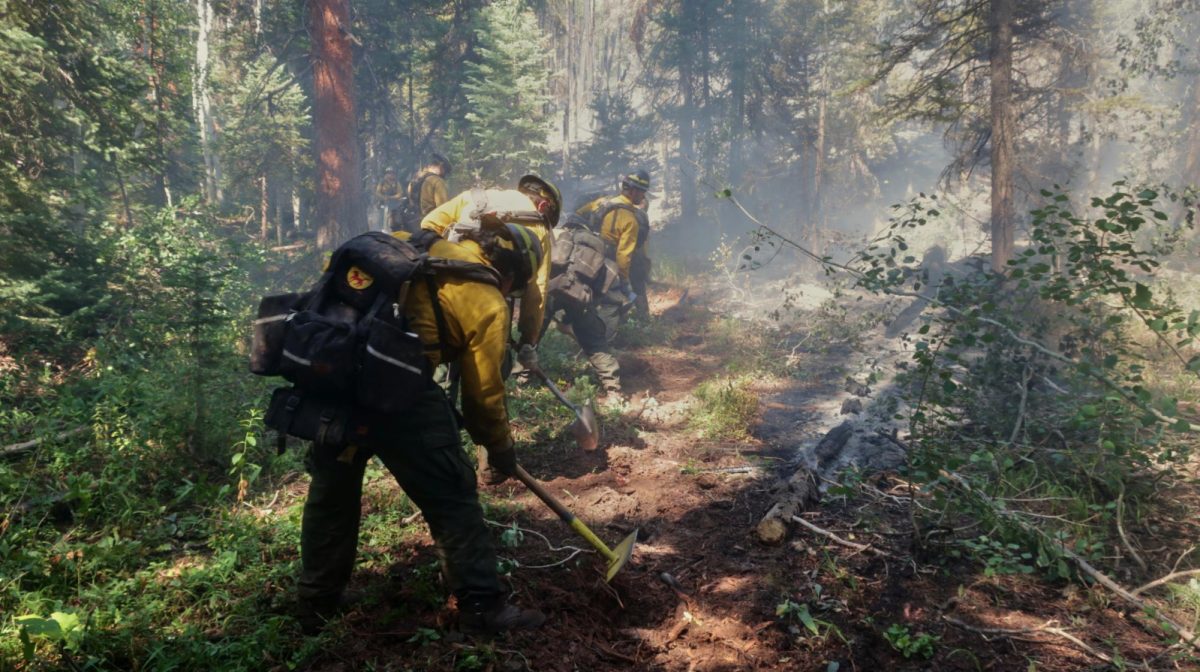
Long before smoke rises over a forest, students prepare for their first fire season, landowners learn how to safely use prescribed fire, communities work together to reduce wildfire risk and firefighters train for the physical and mental demands of the job.
Helping make that preparedness possible is the mission of OSU’s Extension Fire Program.
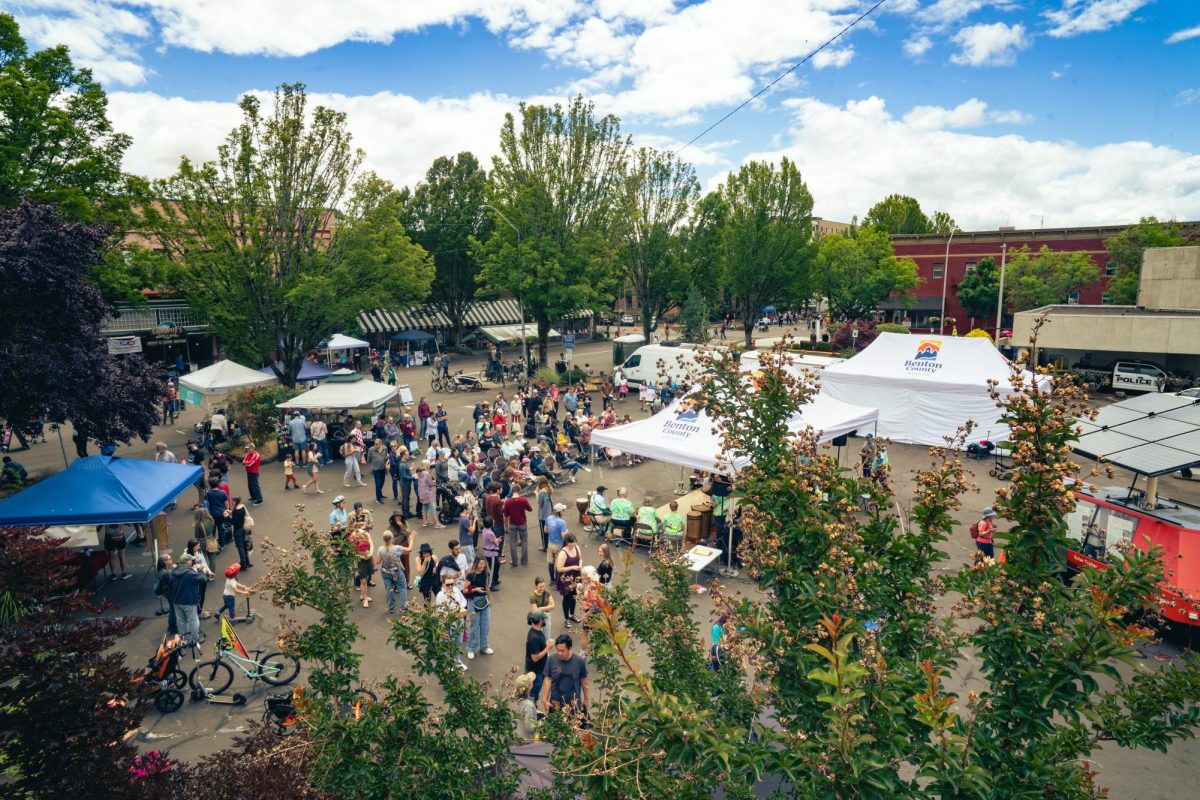
Established by the Oregon Legislature in 2019, the OSU Extension Fire Program was created to strengthen wildfire education and outreach across the state. Today, it partners with landowners, students, fire professionals, tribal communities and local organizations to help prepare for wildfire in ways that reflect the unique needs of each region.
Carrie Berger, manager of the Extension Fire Program, said preparing for wildfire requires more than firefighters alone.
“I like to think of it as an all-hands-on-deck approach because we all share the fire risk, so we all share the responsibility of adapting our communities and making our landscapes more resilient,” Berger said.
One of the program’s best-known opportunities is Wildland Fire Guard School, which is offered every Spring term and is open to both students and community members.
It can be taken for credit or as a non-credit course, providing one of the several pathways into wildland firefighting; but there is no single path into the profession.
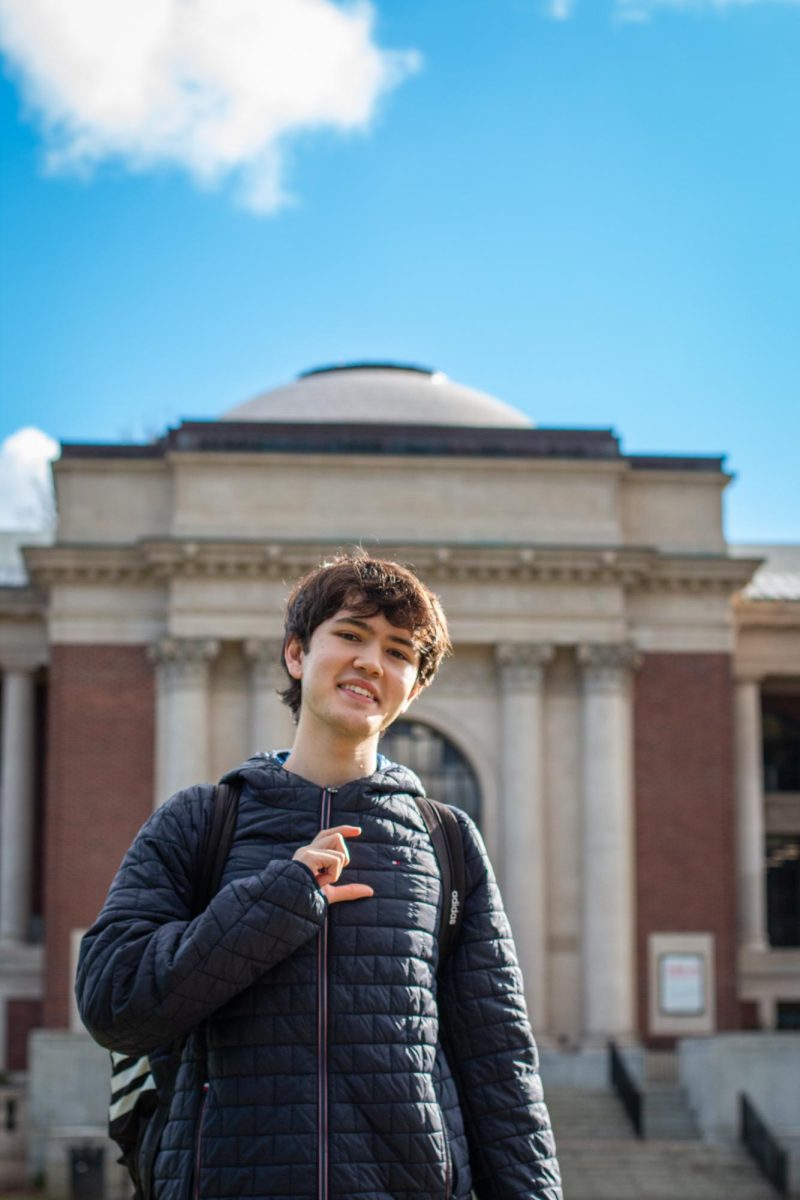
For Wynter Barlow, wildland firefighting was almost impossible to ignore.
Growing up in Bend, one of Oregon’s highest wildfire-risk communities, Barlow said many of his friends, neighbors and even teachers had worked as wildland firefighters.
“It (was) almost a rite-of-passage,” Barlow said.
Inspired by the people around him and driven by a desire to serve the community, Barlow decided to pursue firefighting himself. He completed his training through Patrick Environmental in Redmond, earning his Firefighter Type 2 qualification before spending his first season responding to fires across Oregon and Washington.
His experience quickly showed him that no two fires are the same.
This included the Cram Fire north of Madras, where the fire expanded across nearly 100,000 acres; the Bear Gulch Fire in Olympic National Park, where his crew protected the historic Staircase Campground and trailhead; and Oregon’s Flat Fire near Sisters, where he worked night shifts to monitor containment lines.
Yet what he remembers most is beyond fighting the fire; Barlow’s path to the job was shaped by his community and desire to serve it.
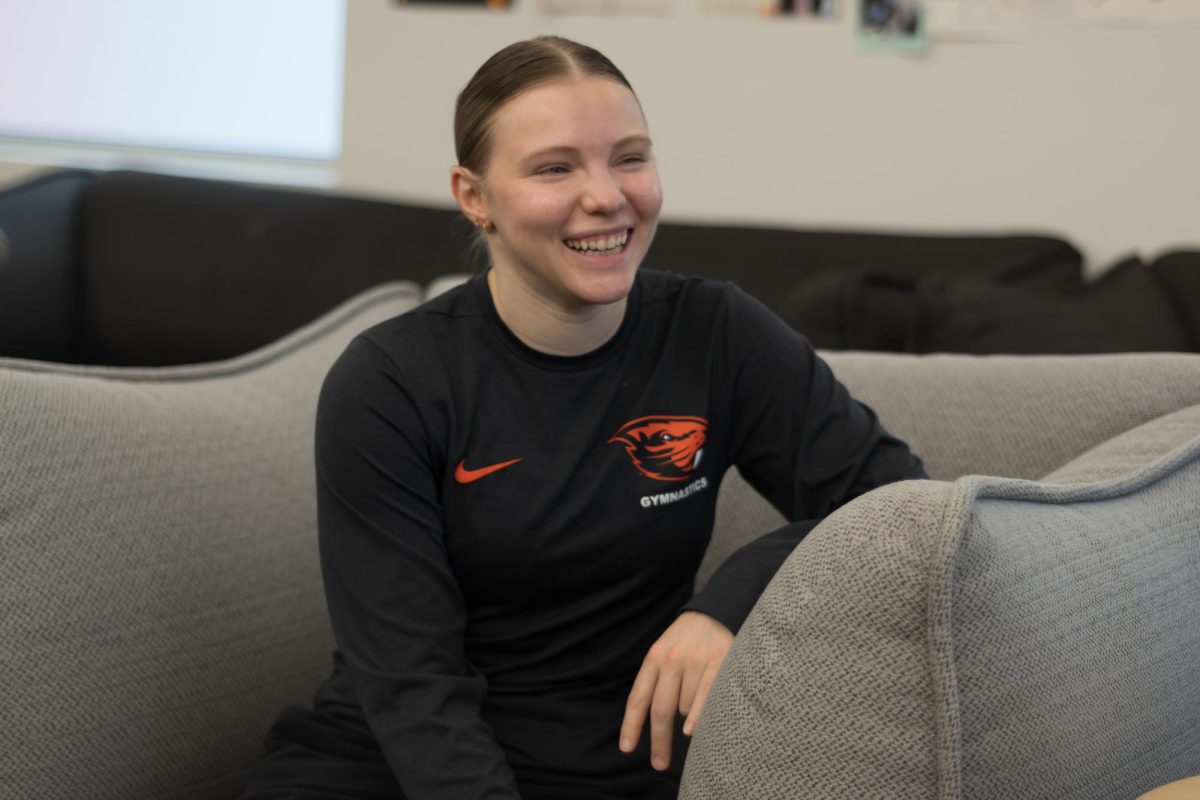
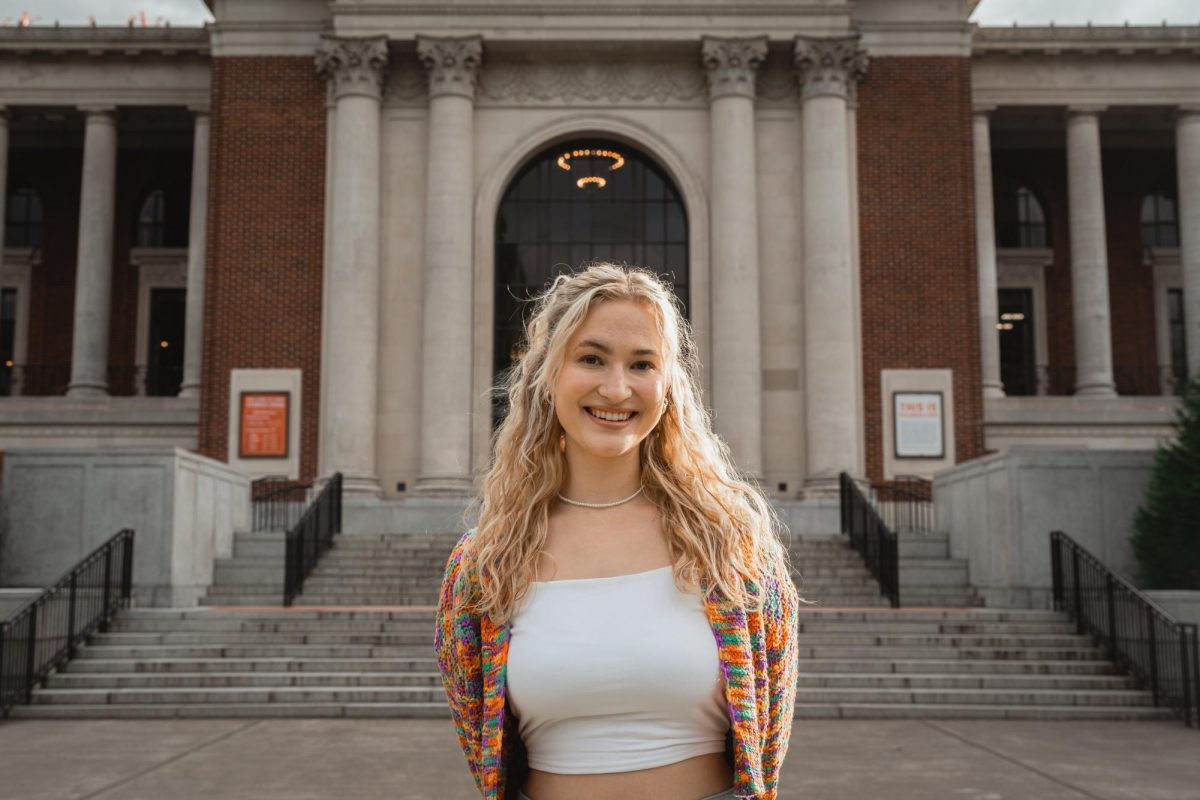
For fourth-year graphic design student Paige Michalski, who’s also a photographer for Orange Media Network, it began with curiosity.
Growing up in Minnesota, Michalski had never met a wildland firefighter until she moved to Oregon and started college.
“When I came to Oregon and was exposed to that culture, I thought it was a super cool idea,” Michalski said. “But it didn’t seem like something I could just do.”
Everything changed after a conversation with another student who was a wildland firefighter. Learning that the process was more accessible than she expected, Michalski completed the required training, attended a weeklong training camp with Dustbusters Plus LLC and earned her FFT2 qualification.
Today, she is entering her second season as a wildland firefighter.
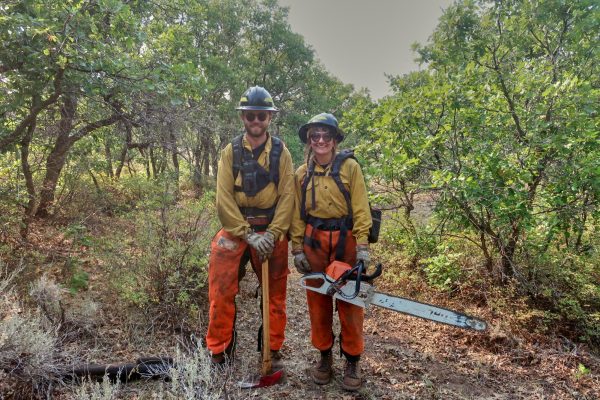
Michalski said she was initially nervous about joining a trade where women still remain underrepresented. During her first deployment, she was the only woman on a 20-person hand crew.
“I felt like I had to work a bit harder to prove I was a good addition to the crew,” Michalski said. “But I just kept going each day, and as they went on I became more and more comfortable.”
Rather than discouraging her, the experience strengthened her confidence.
One of Michalski’s most memorable assignments came during an initial attack on a wildfire in Colorado, where her crew dug a hot line directly along the active fire perimeter.
“It was … the hardest part of the run,” she said. “I had really felt like I was achieving what I had hoped and was proud I pushed myself to do something hard for me.”
For more information, visit https://extension.oregonstate.edu/fire-program.