









































Fields in science, technology, engineering and mathematics are still dominated by men, but Oregon State University has many women who are moving to change that.
An OSU professor and a STEM club member expressed their love for their areas of study and the challenges women in their respective fields often face.
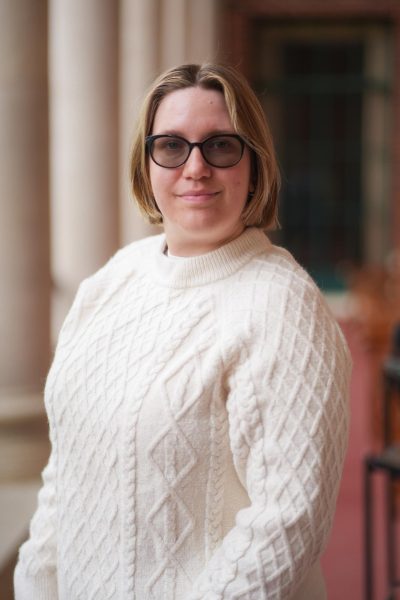
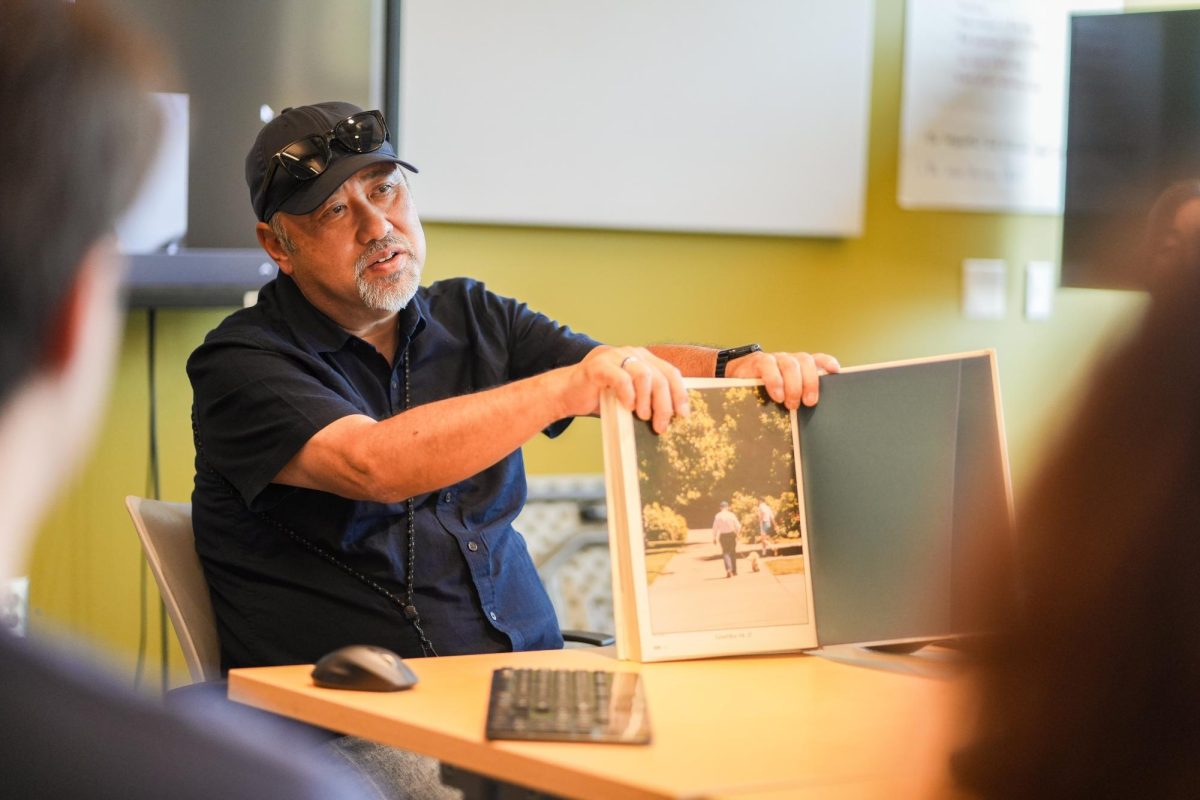
Małgorzata Peszyńska, a distinguished professor of mathematics at OSU, said her passion for math began at a very young age.
“I was a very early nerd already and since math was somehow was easy for me, I continued and stayed with it,” Peszyńska said. “When I was growing up, we did not have video games, so somehow math may have replaced that.”
Peszyńska focuses on numerical analysis and applied mathematics. Her work intersects in areas of hydrology, oceanography, statistics, civil and coastal engineering, physics and material science through her current research project “Computational mathematics of Arctic processes,” according to OSU’s Department of Mathematics website.
According to Peszyńska, she felt that one challenge women face in the mathematics field is that women are naturally generous and empathetic toward their students and colleagues, which she said are often seen as weaknesses.
“The main challenge is … not (to be) subject to a sort of condescending attitude of those who are not generous or, as I said, empathetic,” Peszyńska said.
Another challenge for women in the field Peszyńska highlighted was the difficulty of maintaining a balance between work and their personal lives.
“Many more (challenges that) I see other women face is that there are different societal expectations of women than of the other gender,” Peszyńska said.
According to Peszyńska, the field of mathematics would improve with more women in it and by providing women with a larger community, which she referred to as the “critical mass of women.”
“I think women bring all these different, very rich and diverse perspectives,” Peszyńska said. “Not necessarily that no man can also bring these, but I found that it was always easier to be understood by other women … We also need that flexibility and we should be rewarded by those aspects that I mentioned before of generosity and hard work.”
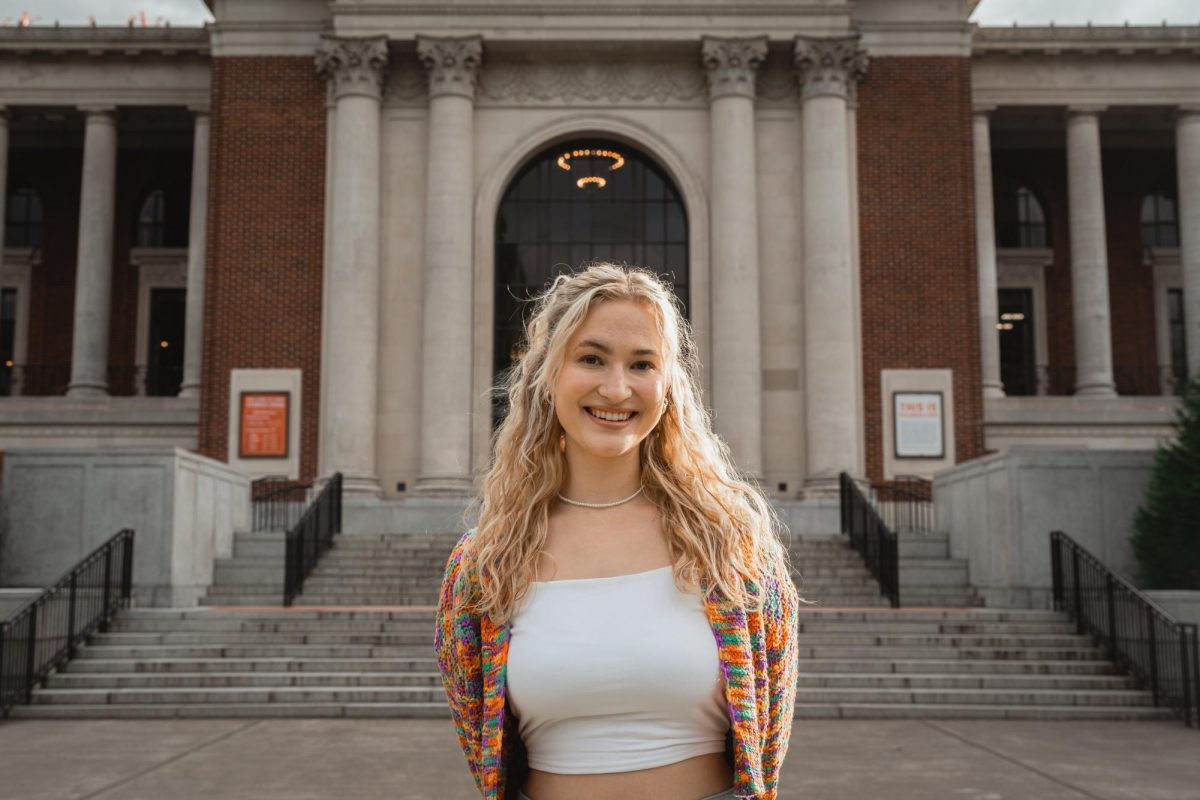
Eloise Fleschner, the Society of Women Engineers mentorship coordinator, said she first got interested in engineering in high school when she took classes in engineering and tech theater, which she said involved a lot of “hands-on work.”
“It was fun to just have the freedom to choose what I was doing,” Fleschner said.
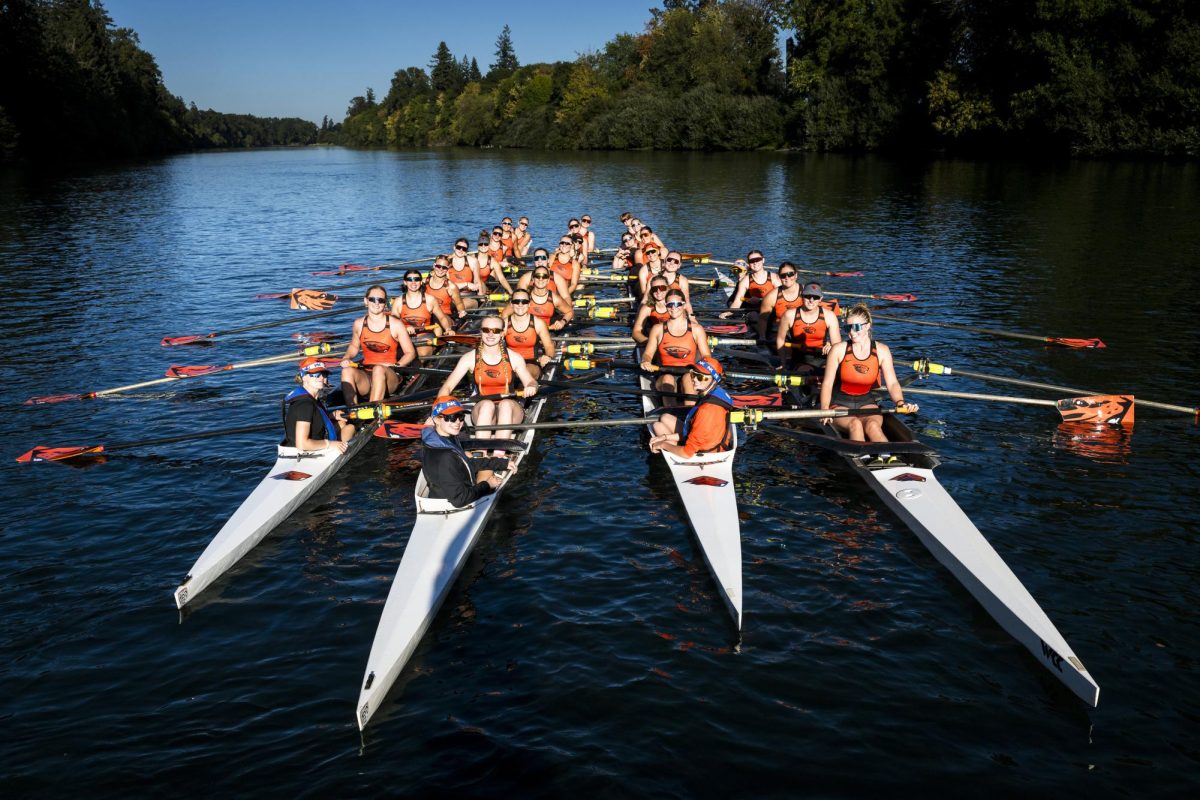
Fleschner later became involved with the SWE program when they did a rafting trip for incoming students.
According to her, two challenges female engineering students often face is a lack of fellow female students in their classrooms and the societal expectation of gender roles, which are often enforced from a very early age.
“As a girl, at least for me, when I was younger, you’re geared to certain things you’re ‘supposed’ to like and (things) you’re ‘supposed’ to not like,” Fleschner said. “And so, doing something that some people think you aren’t supposed to be doing is another thing.”
Fleschner said the SWEsters program helped her career goals as a woman in the engineering field by providing opportunities for professional development and networking.
“I’ve learned how to write a better resume, a better cover letter, interviewing tips, how to approach people at career fairs,” Fleschner said.
Since the SWEsters program has many different company sponsors, members are able to learn the ins and outs of each one’s personal hiring process, Fleschner said.
While there is still room for improvement, Fleschner believes the number of women in engineering at OSU has increased, largely due to the resources available encouraging women to pursue an education and career in engineering.
“We’ve come a long way of having women in these spaces,” Fleschner said. “I think that the College of Engineering has about 20% women and 80% men, which is way better than it used to be. So, as long as we’re just sticking to it and keeping these resources like SWE and (the Center of Diversity and Inclusion) open to everyone, I think (the percentage) will increase … as time goes on.”
Peszyńska’s advice to young women who wish to pursue a career in mathematics is not to give up, hold onto those values of empathy and generosity and surround themselves with a good support system.
“If you have interest, whether that’s mathematics or something else, if you love it, just go for it, even if people are telling you not to or you don’t feel appreciated,” Peszyńska said. “Just stay the course and find people around that will provide support. Even if it’s just for hanging out with someone who will not be judging you.”