

























































































Editor’s note: The original article included the wrong spelling of Kendon Kurzer’s name and has been updated.
The Writing Intensive Curriculum program at Oregon State University will face potential changes soon, according to faculty leaders.
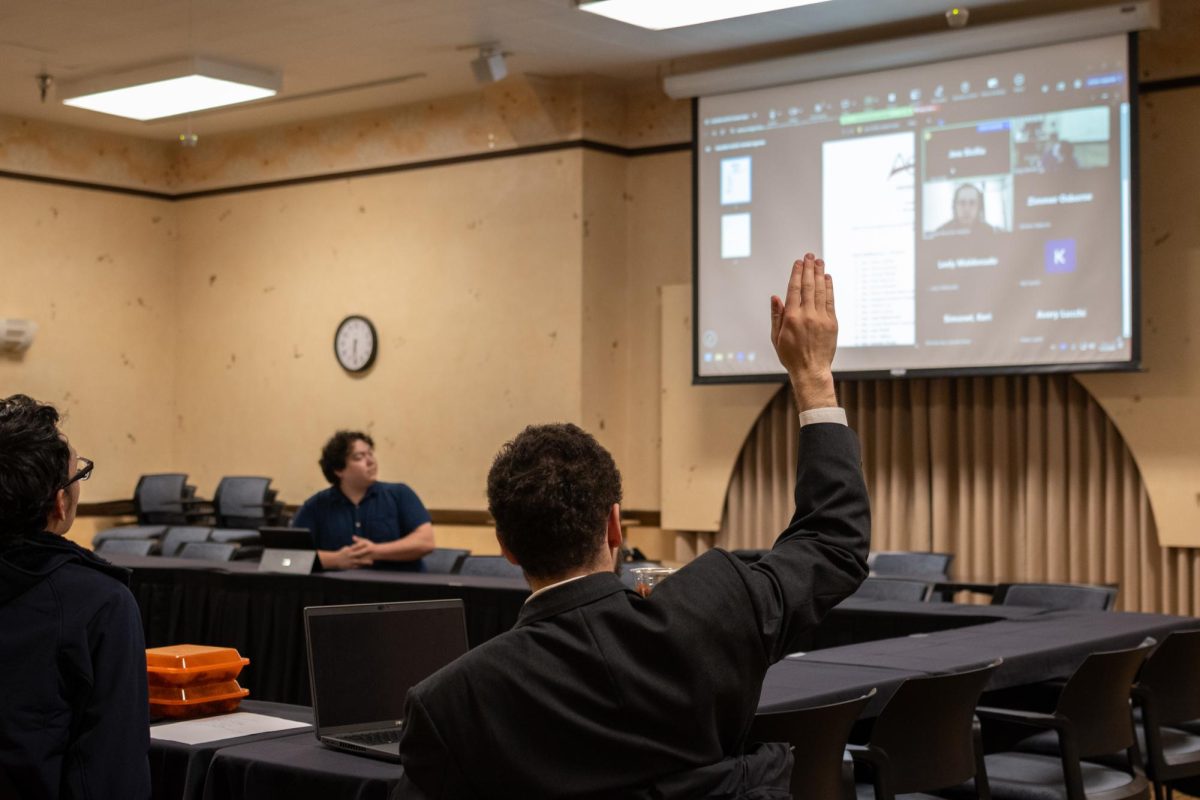
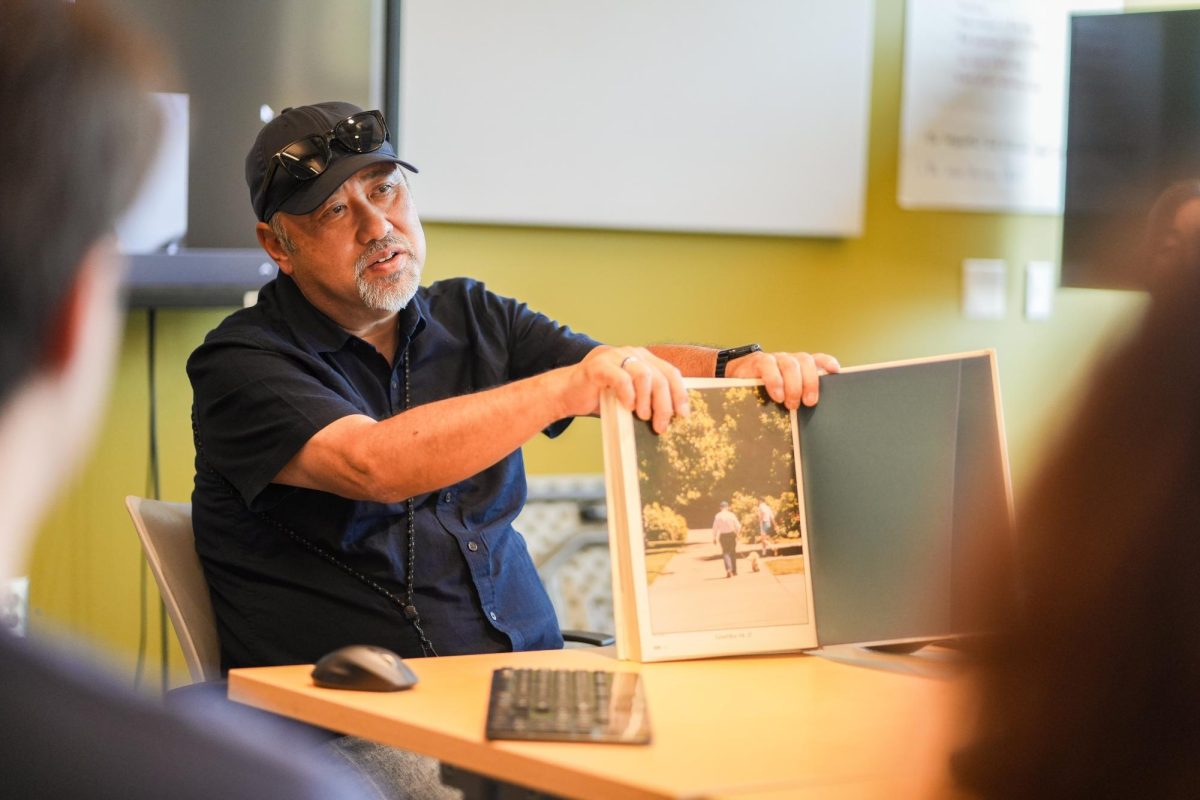
In a presentation to the Faculty Senate on Thursday, Kendon Kurzer, WIC director and Kelsey Emard, co-chair of the Core-Education Committee, outlined proposed changes to the criteria for courses.
Those changes include a decrease in the minimum number of words students must write for the course from 5,000 to 4,000 words, as well as bumping up the evaluation of writing from 30% to 35% of a student’s total grade.
According to Kurzer, the recommendations were intended to align course standards with other universities like the University of California Davis, George Mason University and the University of Virginia.
Writing intensive courses at OSU are major-specific writing classes that are usually taken during the third or fourth year. The outlined proposal recommends prerequisites of other Core-Ed programs, such as writing foundations and writing elevation, before taking WIC courses.
“We also propose that there be some discussion and consideration of AI-assisted tools and use norms, or their absence, within these WIC courses, although we are not going to dictate (what) instructors require or maybe not require,” Kurzer said.
K.C. Walsh, a faculty senator from the College of Science, noted a lack of specific boundaries on the usage of generative AI.
“How do we prevent gen-AI (from) creating stuff? (Or) Instructors just using gen-AI to evaluate (work) and the robots are just talking to each other?” Walsh said.
“I’m not opposed to instructors encouraging their students to use AI in ways based on disciplinary norms,” Kurzer said. “We think of business, where if students don’t have AI literacy, they’re going to be at a disadvantage in the job market … we couldn’t then be like, ‘Here’s what one particular disciplinary norm (is),’ because these criteria have to apply all across campus.”
In addition to proposed changes to course requirements, faculty senators also heard updates from the leaders of the Administrative Modernization Project.
The AMP is working to overhaul OSU’s system, which manages budget, finance, human resources, procurement and post-award grant management to use more modern software.
Dean of the College of Business Tim Carroll and Robert Mason, professor of integrative biology, presented the Workday software plan set to go live on July 1. This will replace the current Ellucian Banner system. Carroll said that the program is projected to generate $10.8 million in annual savings for OSU by 2028.
Teagan Mclachlain, marketing and communications specialist for AMP, elaborated in an email, saying, “OSU expects to be saving $10.8 million by 2028 through reduced maintenance and fees for outdated and/or redundant systems and through streamlining processes and reducing manual entry, saving employees valuable time.”
Leaders of the project plan to “cutover,” or transition, some of the systems in June and some system outages are expected while information is being transferred. Mason said there is potential for limited outages to carry into July.
For those interested in finding out which programs are being cutover and when, AMP maintains a list on its website.
Mason said he believes the shift to Workday software will be an improvement.
“It’s going to be a little bit of a pain point to go from here, where we’re comfortable, to there, where we’re newly comfortable,” Mason said. “There can be some pain in here, but it should not be chaos. It’s definitely going to be better.”