

























































Actions under the second Trump administration have plunged the federal student loan repayment system into uncertainty. In July, the Department of Education quietly paused the one remaining Income Driven Repayment program still providing student loan forgiveness.
Reports trickled in during July that the DOE temporarily paused discharges to student loan borrowers under the Income Based Repayment plan. The Daily Barometer confirmed the pause with the department on July 28.
Those enrolled in the IBR program pay a set percentage of their discretionary income each month (10% or 15%, depending on the plan) over a 20- or 25-year period. Any outstanding loan debt following that period is forgiven.
However, the DOE temporarily paused forgiveness for those eligible. According to a statement attributed to DOE Deputy Press Secretary Ellen Keast and provided to The Barometer, the department paused the discharges to comply with “ongoing court injunctions regarding the Biden Administration’s illegal attempts at student loan forgiveness.”
The statement said President Joe Biden-era policy allowing forbearances, temporary pauses in loan repayment or reduced payments, to count towards IBR loan forgiveness has been prohibited, and discharges would continue once the department completed the correction.
The statement added that any borrower who overpays during the pause would be refunded in the future.
The DOE did not provide a timeline of when the IBR discharges might resume.
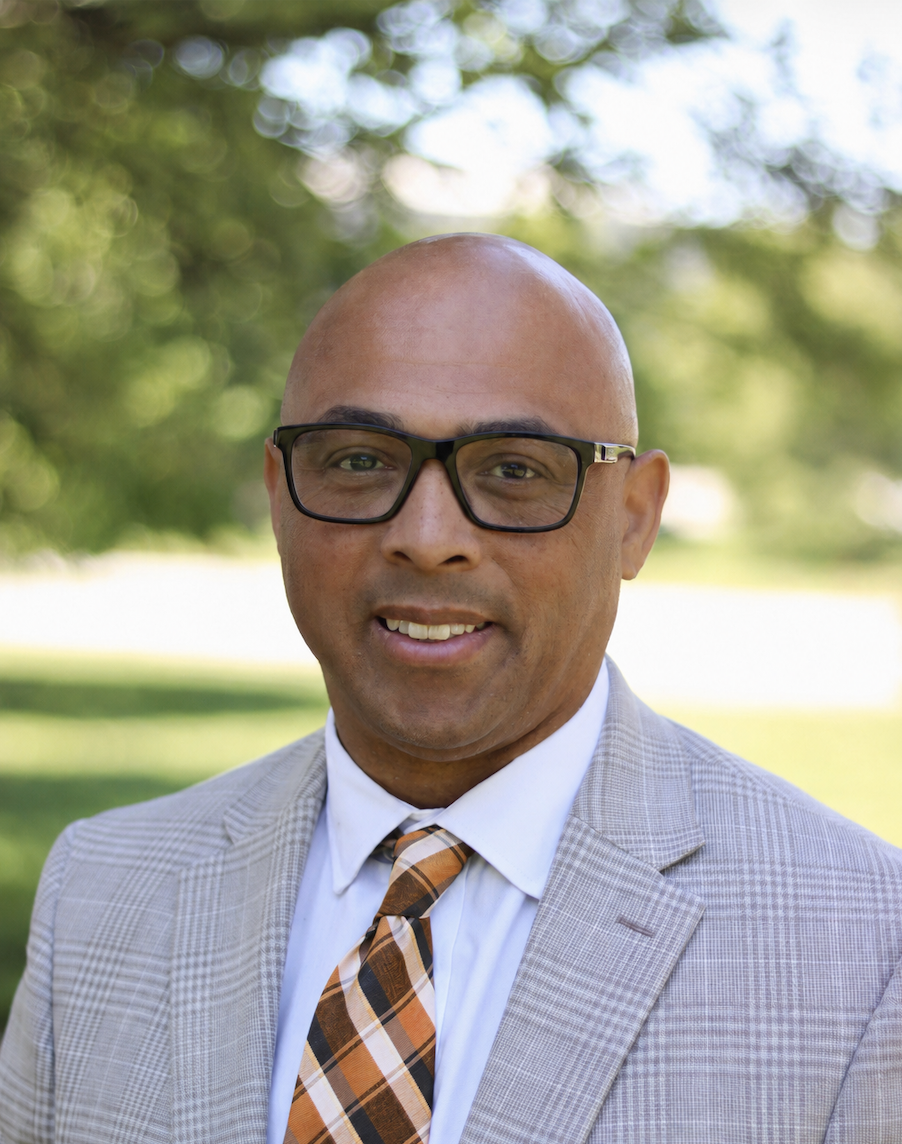
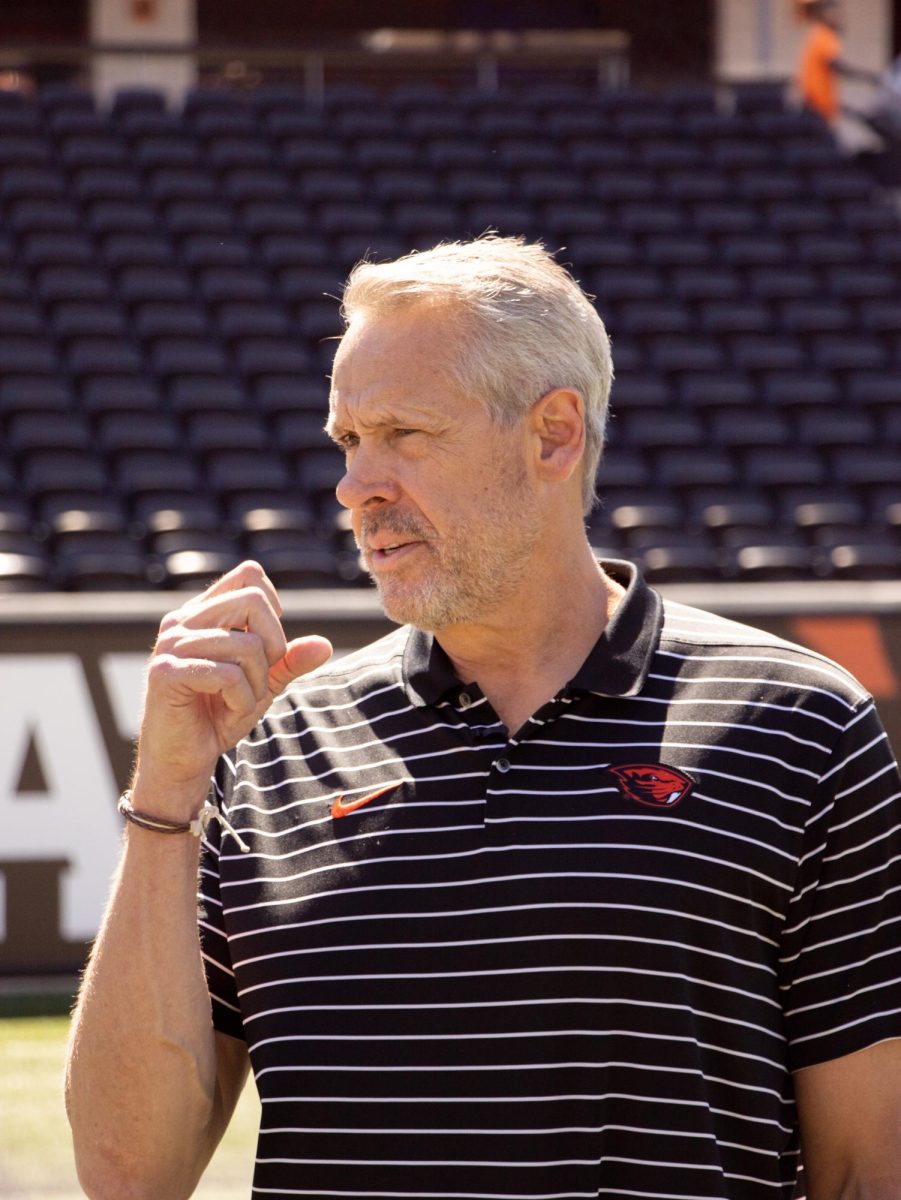
“It’s really complicated, and I feel for everybody,” said Brian Hultgren, Oregon State University’s senior associate director at the Office of Financial Aid. “And I think we’re all trying to sort it out as well.”
While IBR forgiveness is temporarily halted, the federal government’s three other IDR programs are currently heavily limited by current court orders.
The Pay As You Earn and Income Contingent Repayment programs, as well as the Biden-era Savings on a Valuable Education plans, are currently paused from applying forgiveness and interest subsidies, or counting certain periods of deferment or forbearance towards forgiveness.
More permanent changes will be coming in just under a year. President Donald Trump signed the “One Big Beautiful Bill Act” omnibus tax bill into law on July 4, and one of its many higher education-related changes includes sunsetting PAYE, ICR and SAVE for two new loan repayment programs: a new standard payment plan, and a new income-based repayment plan called the Repayment Assistance Plan.
For those taking out new federal student loans after July 1, 2026, the new standard plan and RAP will be the only available options for repayment. Those paying off previous loans have the option to be grandfathered into the old system until July 1, 2028, when they’ll have to switch to the new options or the current IBR plan.
Despite an earlier shutdown of IDR applications, Federal Student Aid has reopened the availability of the existing repayment plans that will soon be shuttered to new additions.
The July 2025 Oregon Student Loan Ombuds Annual Report stated that an estimated 104,700 Oregon student loan borrowers are currently enrolled in SAVE per The Student Borrower Protection Center. Amid legal delays, SAVE-enrolled borrowers were placed in 0% interest forbearance starting June 2024, but interest began accruing again on Aug. 1 per the FSA.
Due to past shutdowns of IDR applications due to litigation, the report says the DOE faces a backlog of nearly two million applications.
Unaffected by the recent tax law is the Public Service Loan Forgiveness program, which forgives remaining federal student loan debt for qualifying full-time government and non-profit employees after 10 years of payments in an IDR plan.
However, a March 7 Trump executive order titled “Restoring Public Service Loan Forgiveness” alleges that the Biden administration “abused” the program. The order aims to exclude eligibility for those deemed to support acts such as “supporting terrorism” or the “chemical and surgical castration or mutilation of children.”
The FSA website currently states that there are “no changes to PSLF currently,” but the department is reviewing the executive order. Those enrolled in PSLF will still be affected by the changes to their specific IDR plan.
Hultgren acknowledged that the overhauls to existing IDR programs were just a few of the Trump administration changes coming to the broad field of student financial aid.
“I think the best advice that we can give to students and borrowers is just try to stay on top of it,” he said. He emphasized staying connected with loan servicers, asking questions, and making sure contact information is up to date.
Hultgren, who said he’s worked in financial aid for 23 years, said his department is preparing for the changes but also taking a wait-and-see approach.
Even though the tax bill is signed into law, he said the full effects aren’t immediately clear: “The Department of Education, they have to kind of look at the bill and then administrate it. So, create policy to follow that … ‘What was the intent here?’ and stuff. And so then there’s a whole process of rulemaking and getting public comment.”
In the meantime, Hultgren encouraged students to keep up on current events, take advantage of scholarships and reach out to the Financial Aid Office when needed. He stressed the importance of only borrowing what you need: “I kind of always say: Live like a college student now so you don’t have to later, right?”

