


































The Oregon State Beavers’ 2026 spring game wasn’t clean, polished, or even particularly offensive-friendly but that’s exactly what made it revealing.
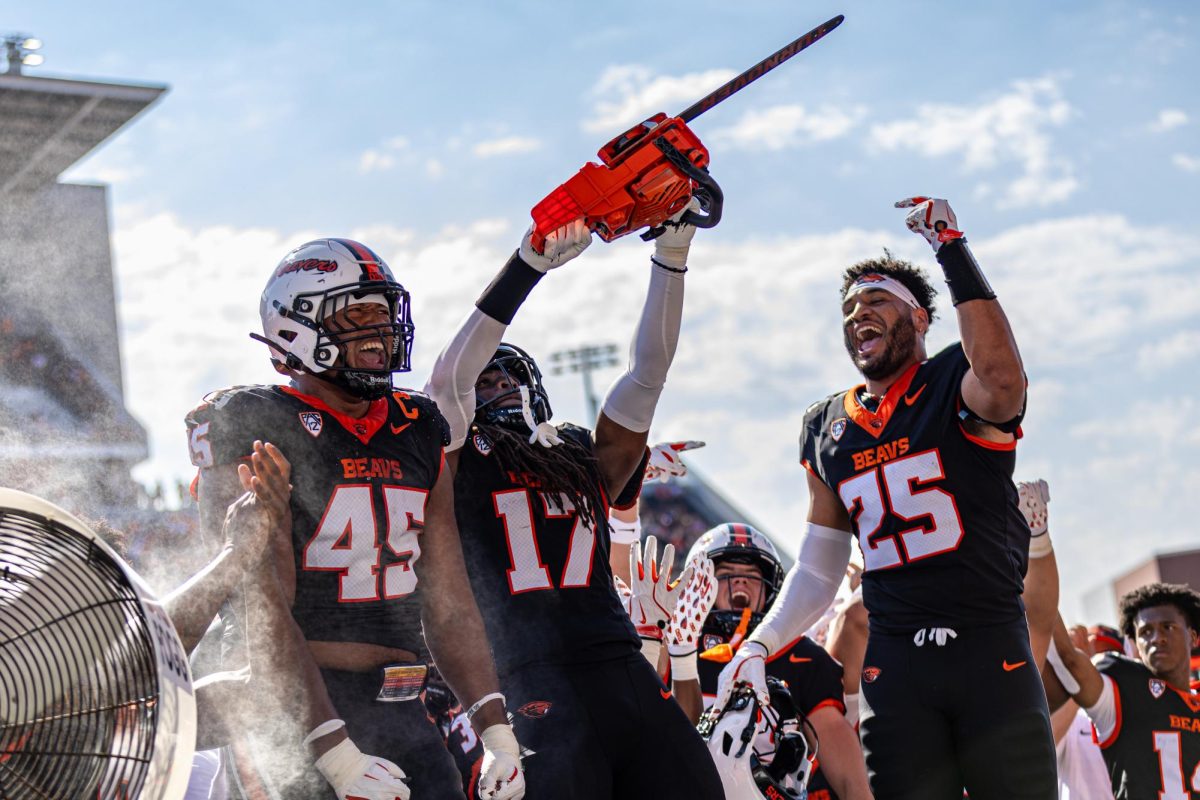
In a scrimmage built around a unique scoring system that rewarded the defense for stops, pressure and takeaways. Team Black (defense) beat out Team White (offense) 28-24, and for most of the afternoon, the tone was clear: the defense is ahead.
How the Scoring Worked:
Offense (Team White):
TD = 6 | PAT = 1 | FG = 3
Defense (Team Black):
Punt = 2 | Missed FG = 2 | 3-and-out = 3 | Takeaway = 7
4th down stops = 4-6 depending on field position
While the offense earned points in traditional ways (touchdowns, extra points, field goals), the defense stacked points through impact plays, forcing punts, creating three-and-outs, generating takeaways and stopping drives on fourth down depending on field position.
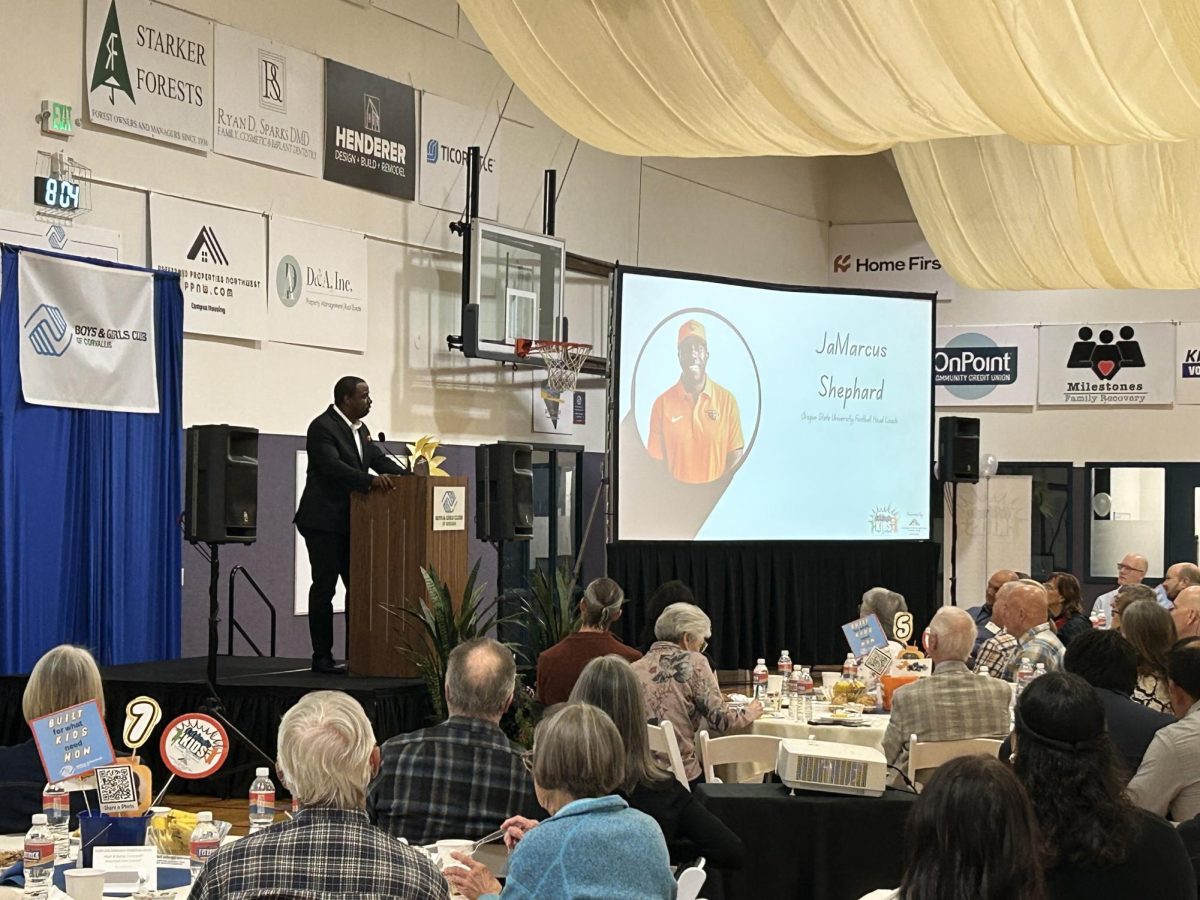
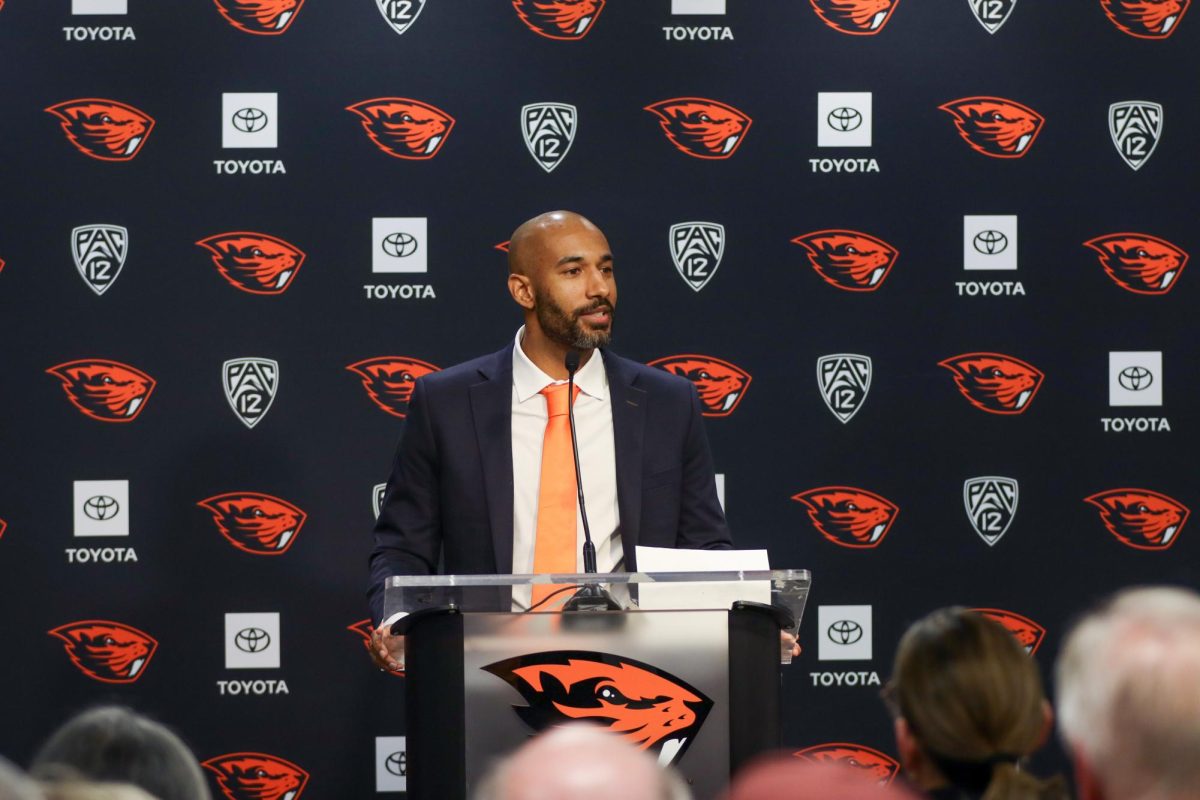
Head Coach JaMarcus Shephard didn’t sugarcoat the outcome.
“Well, actually, the defense won 28 to 24,” Shephard said. “And transparently speaking, you know, had our kicking game played better, and we made those field goals, then the offense would have won the game.”
Defense sets the tone early:
From the opening drives, the defense controlled the game.
Pressure up front, tight coverage outside, and disciplined tackling led to a quick 7-0 advantage under the scoring system, eventually growing to 9-0 and then 16-7.
“I thought they did an outstanding job on the defensive line,” Shephard said. “Really holding the point… making sure that they weren’t giving up seams in the interior portion of our D line.”
Players like Raesjon Davis and Adrian Onyiego flashed with sacks, while the secondary consistently limited separation.
“The defense did a good job of trying to blanket Jesse Legree,” Shephard added, pointing to how the unit adjusted to take away emerging playmakers.
Davis, who returned after an injury-shortened season, emphasized the group’s mindset.
“I just feel like we’ve all kind of bought into what the defense is about,” Davis said. “Every day you have to get better… today was like a spring game, so our coach was emphasizing that it’s a game day. Come with that mindset.”
That approach showed. The run game struggled badly, and outside of a few explosive plays, the offense rarely found rhythm.
Quarterbacks:
The quarterback battle remains wide open, and Saturday didn’t settle much.
Braden Atkinson ran with the first team and showed flashes pushing the ball downfield.
Brady Jones, working with the second unit, had moments, including a deep connection to Aeryn Hampton, but struggled to meet expectations.
“I really wanted to see Brady Jones play better than what he did,” Shephard said. “He knows it… He’s got a lot of work to do.”
Maalik Murphy, working with the third group, showed improvement in decision-making.
“The key thing for him is not putting the ball in jeopardy,” Shephard said. “I think he did a pretty decent job of that.”
Still, the overall takeaway was clear: no quarterback separated.
“It is an open competition still at every position,” Shephard said. “That competition part will not end.”
One play changes the feel:
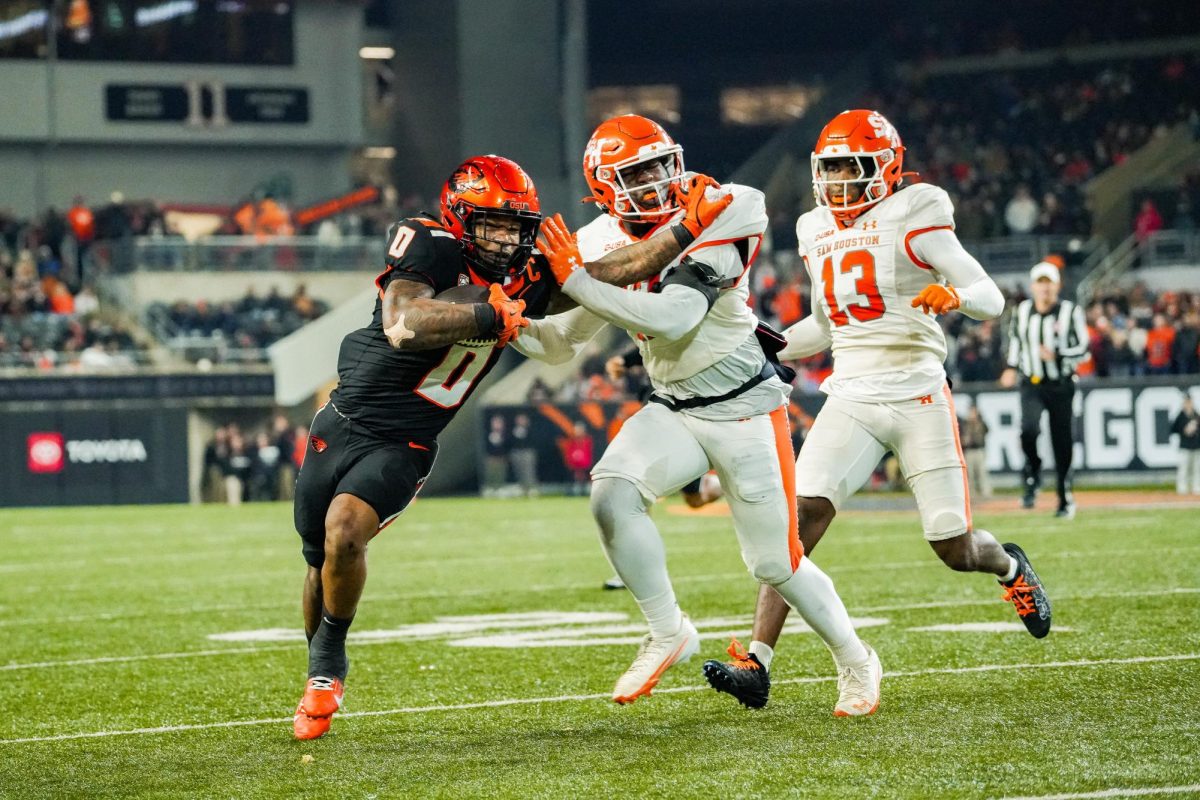
The biggest offensive moment of the day came from freshman running back Kourdey Glass, who turned a simple screen pass into a 67-yard touchdown with multiple defenders missing in space.
That one play accounted for most of the offense’s explosiveness, and even that came with frustration from the coaching staff.
“We had one significant missed tackle there on the long touchdown screen to Glass,” Shephard said. “That was probably the thing that frustrated me the most.”
Still, the talent was undeniable. Glass’s burst and open-field moves stood out immediately, offering a glimpse of potential in an otherwise stagnant run game.
Offensive struggles:
Outside of big plays, the offense struggled across the board. The run game never got going, receivers had multiple drops, including from DeCorion Temple, and execution issues stalled drives.
Shephard was blunt about the biggest problem.
“We didn’t block worth a plug nickel,” he said. “We didn’t move the line of scrimmage at all… we got to get stronger, more physical, more angry, more violent.”
That physicality, or lack of it, showed up in the stat sheet and on the scoreboard, with the defense consistently earning points through stops and pressure.
Even when the offense moved the ball, finishing drives was an issue, especially in the kicking game.
Special teams:
Kicking was a major storyline, and not in a good way.
The Beavers missed multiple field goals (three total), with only Jadyn Oh converting one attempt.
“Those guys have been successful… all through spring… in pressure situations… but we’ll continue to put pressure on them. ” Shephard said.
Those misses ultimately swung the outcome. As Shephard pointed out, converting those chances likely flips the result in favor of the offense.
Tight ends and offensive identity:
One bright spot offensively was the involvement of the tight end group, including Eric Olsen and Temple.
“Our tight end room is one that I’m really excited about,” Shephard said. “That’ll be a major part of our offense.”
Olsen echoed that confidence.
“I knew that what we were doing was special, especially for the tight end group,” Olsen said. “I think there’s a lot of opportunity for tight ends in this offense.”
The heavy use of tight ends hints at a more versatile, matchup-driven scheme moving forward.
Final takeaway:
The final score, 28-24, in favor of the defense, only tells part of the story. The bigger takeaway is where this team stands heading into the offseason.
The defense looks fast, disciplined and ahead of schedule.
The offense, meanwhile, is still searching for consistency at quarterback, along the offensive line and in the run game.
If there’s one theme that summed up the day, Shephard made it clear, “Today in totality was not up to the standard… we can get better from this.”
“We have to get bigger… big people usually beat up little people,” Shepard added.