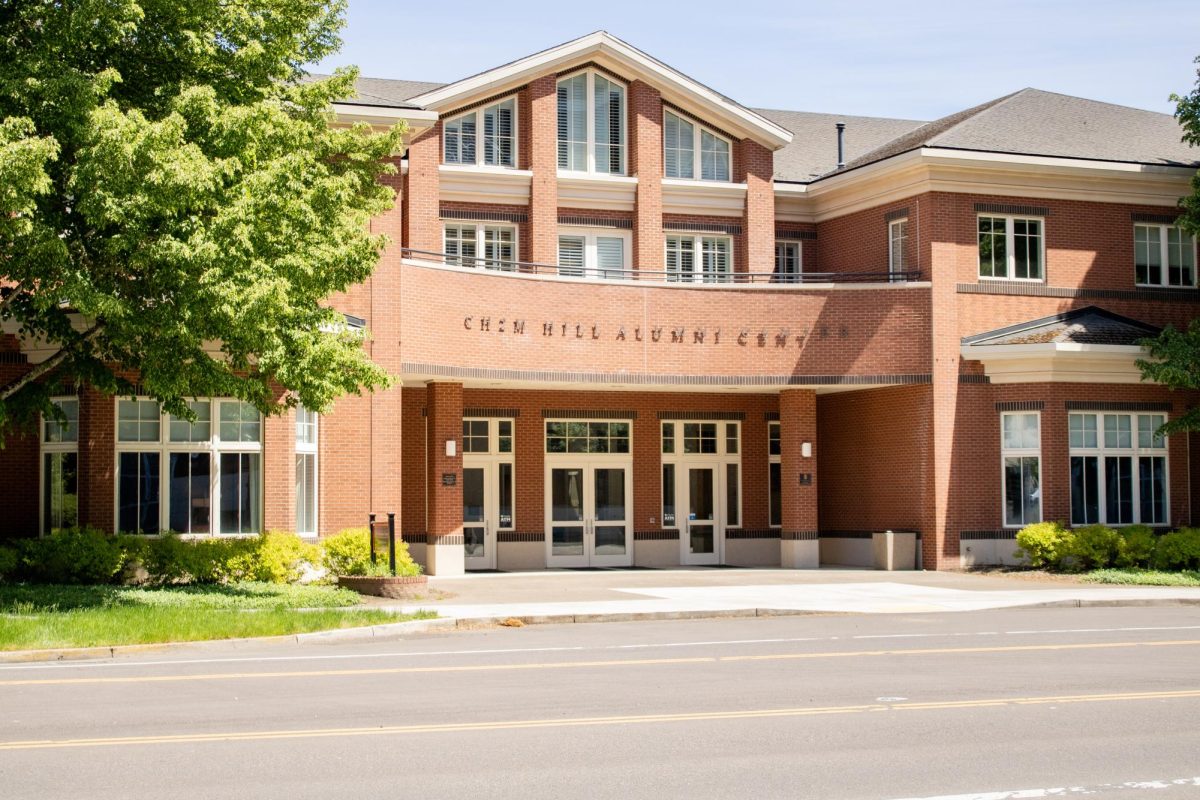
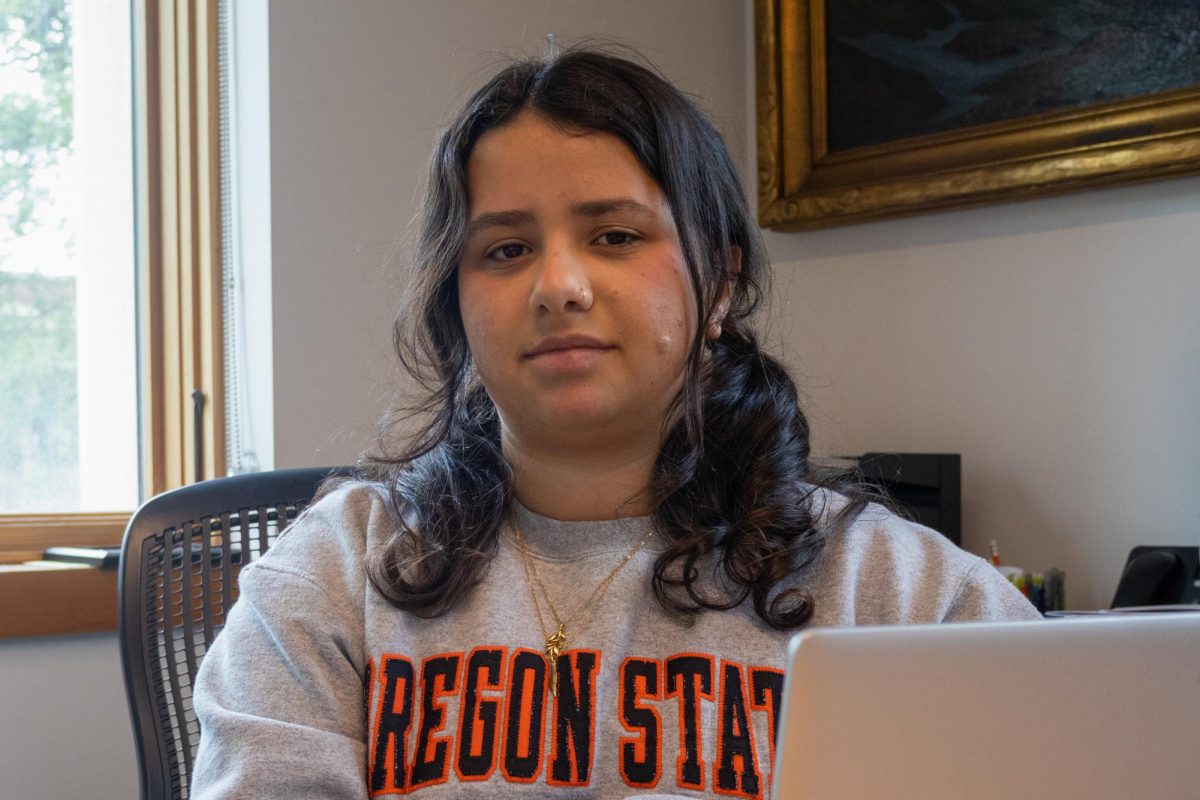















































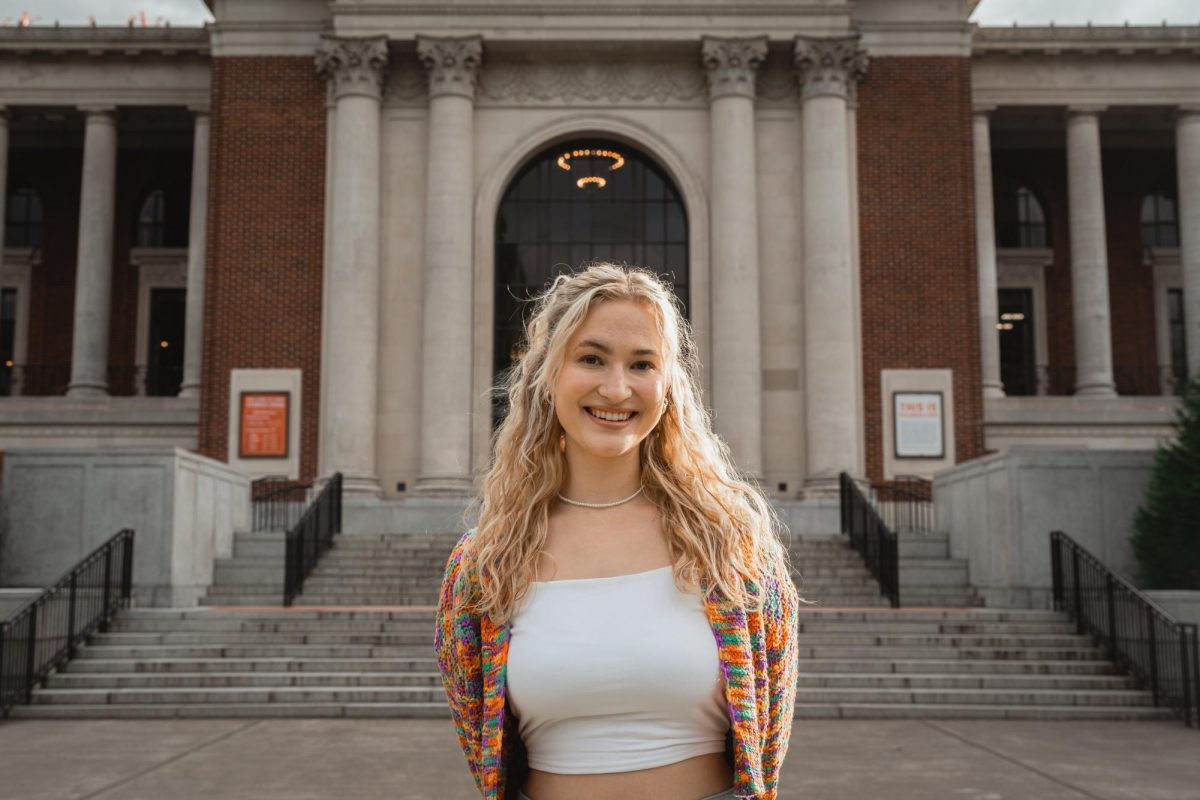









Jessie, a pathway graduate student from Taiwan, described her reality at Oregon State University as having “kind people, beautiful building and classroom and a nice teacher.”
Her positive initial experience reflects the mission of INTO OSU, which works to ensure a “soft landing” for international students at OSU since 2008.
The initial transition to university life is a harsh reality for new international students, but the process was eased by the support of INTO OSU, according to Executive Director Bob Gilmour. Gilmour said the program ensures “academic success and personal success are both key” to a successful transition.
Gilmour further said that dedicated support is vital because international students “face challenges that a lot of other students don’t face.” The program currently supports 400 students, with 205 being new enrollments this term.
For many, the first impression of the university and its community has been largely positive. Adiba, a first-year computer science student, noted that the community itself is “very, very welcoming.”
However, the academic rigor of the first week was felt by pathway graduate students from Taiwan who admitted to feeling “so stressed.”
Debbie, a business first-year, was hit with early assignments, saying, “We just got three days (of) class, and on this (third) day we got more homework and the quiz.”
Beyond the classroom, cultural adjustments were a major focus for students.
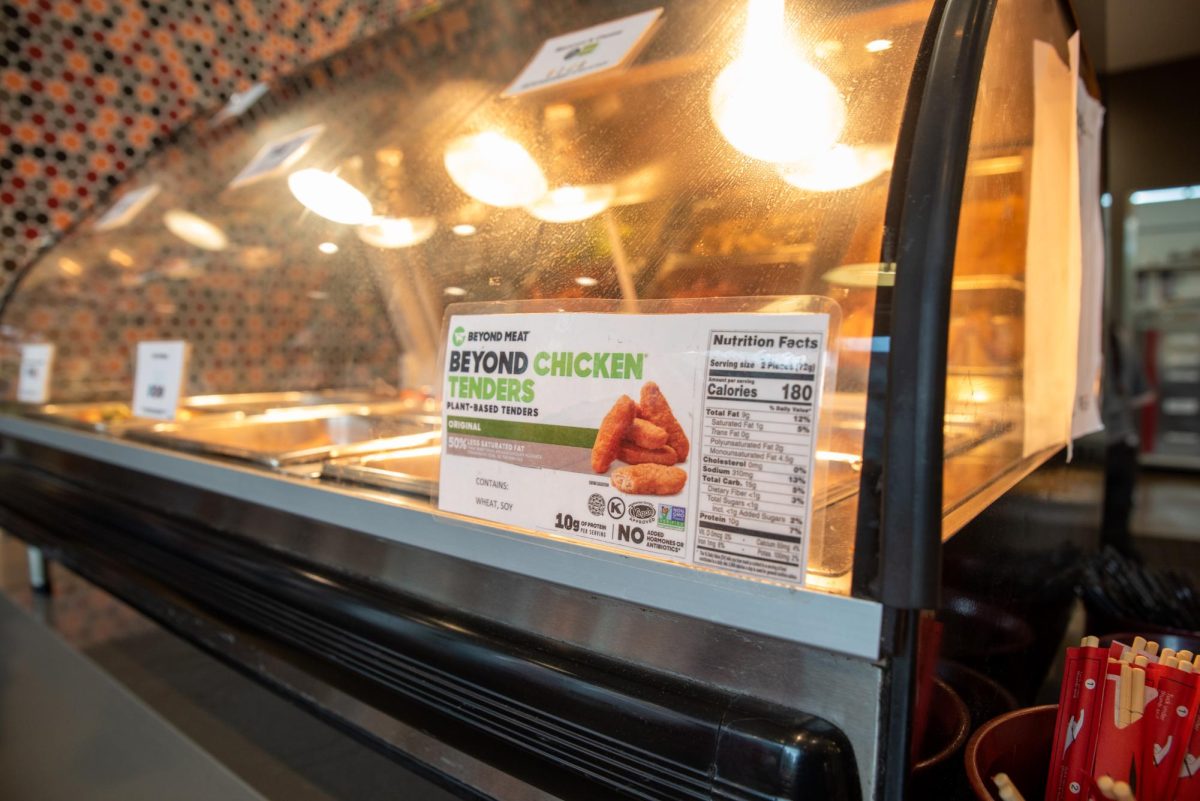
Agasthya, a computer science first-year, stated the most immediate challenge was food. He said it “took (him) time to adjust” due to the cultural difference in food norms.
Gilmour acknowledged these concerns, noting that the whole array of “cultural personal aspects make a difference,” including “the food” and “different housing.” He said students asked where they could find “real bread” after being “shocked by the bread” in United States stores.
To combat these challenges, INTO OSU provides a strong safety net according to Gilmour. INTO OSU is a place where students know they can come with “any question at all.”
Students in the program are assigned an academic advisor and a student success coach who are in touch “from pre-arrival,” according to Gilmour.
Students from Taiwan confirmed the program’s value, noting that if they “need any help, (advisors are) always open to like answer our questions.”
The INTO orientation week, which usually happens one week before the main university orientation, is packed with events to help students get settled as well.
Gilmour said beyond handling “practical things” like class registration, INTO organizes social events. The goal is to help students connect and make friends, which Gilmour said was “one of the most important factors for success.”
This dedication to early support translates into impressive outcomes. Gilmour said that before INTO OSU offered this support for international undergraduates, the three-year average retention rate from 2014 to 2017 was 83%.
After the support for international direct undergraduate students was introduced in 2019, the retention rate jumped to 94% in the first year. This rate is significantly higher than the national average of undergraduate first-year students’ retention rate of around 75% in 2019.
Gilmour also encourages new students to “connect as much as possible with as many people as possible” and take full advantage of available resources.
Adiba advised her peers to “Enjoy, like live your life to the fullest during fall term.”