











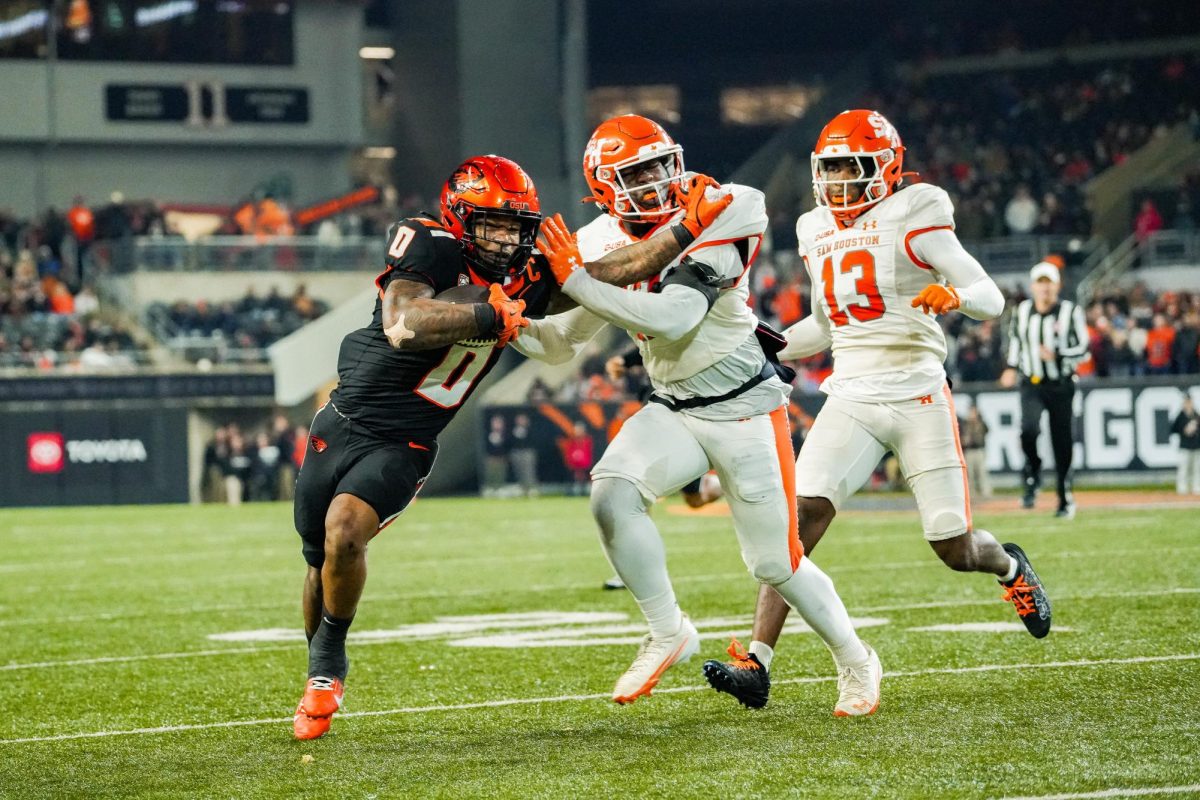
































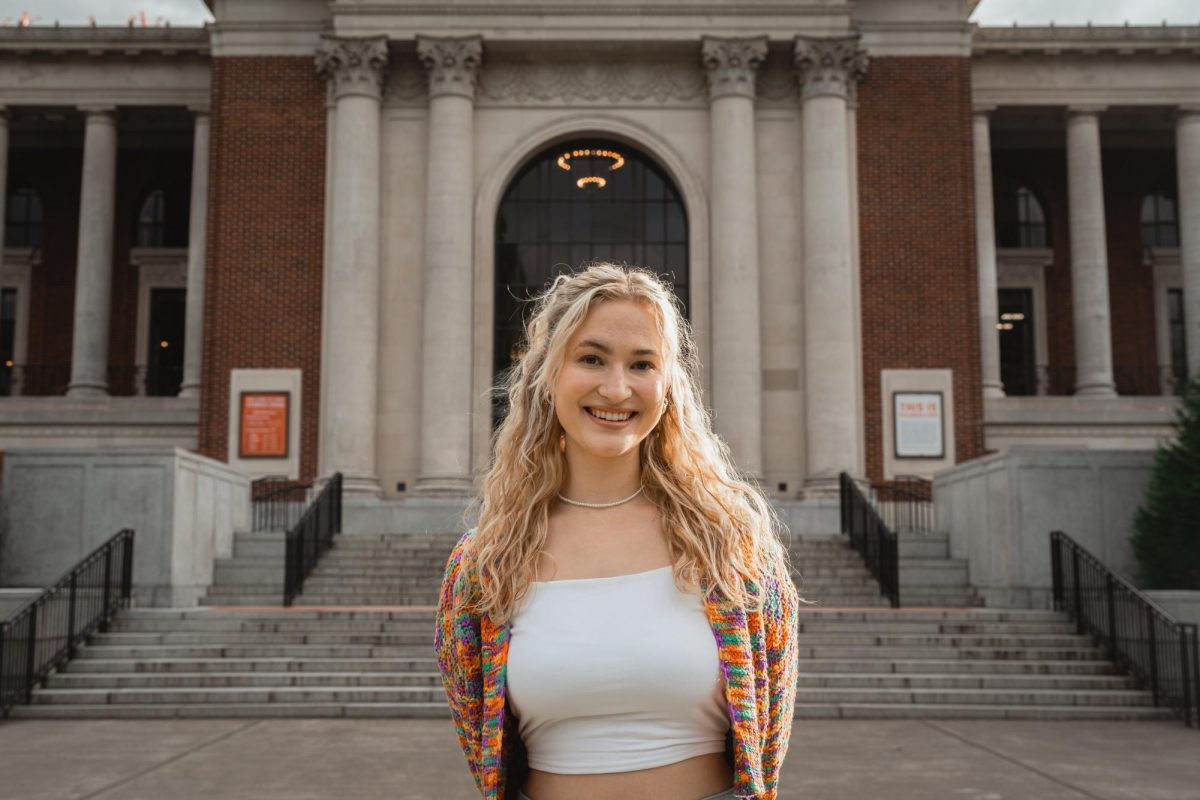













Until next football season, Reser Stadium’s stands will remain completely desolate, save for the watchful eye of maintenance crews, janitorial staff and campus security for the coming months.
Remodeled in 2023, Reser Stadium stands as the most expensive activities building on the Oregon State University campus, with a renovation cost of around $162 million upon completion.
However, it only sees major use during football season, with the seats completely empty the rest of the year, aside from some smaller events that don’t appeal to the broad student body.
According to an article from 2022 by Siobhan Murray from the OSU Foundation & Alumni Association, the stadium was initially funded with philanthropy from multiple sources, along with “premium seating revenue and other revenues associated with the stadium and new university facilities.”
This is a similar model to stadiums all around the world, which fund operations with ticket sales and sponsorships.
While ticket sales are seemingly enough to cover Reser Stadium’s maintenance costs right now, the Beavers’ recent win/loss record may be a sign that it’s time to try branching out.
It is well known that stadiums all around the world host far more than sporting events year-round.
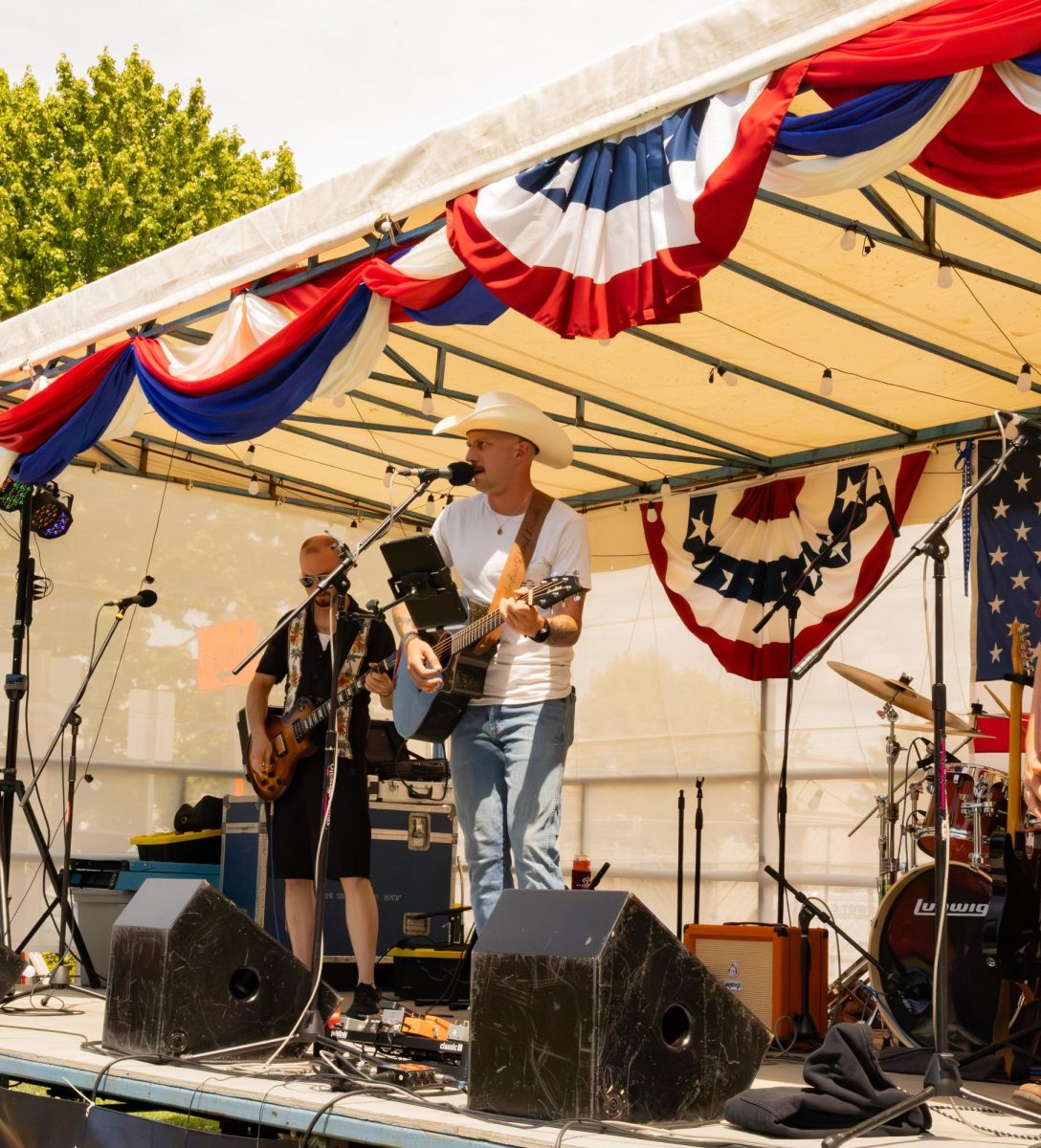
In 2021, Hard Rock stadium hosted the Hella Mega Tour featuring Green Day, Weezer and Fall Out Boy in Miami, Florida. M&T Bank stadium has been the host of several Taylor Swift concerts for years in Baltimore, Maryland and AT&T stadium in Arlington, Texas holds everything from major artists to monster truck rallies.
For major league stadiums, it’s blatantly irresponsible not to hold concerts, RV shows and festivals during the offseason. It’s simply leaving money on the table. I believe we could do the same with Reser.
This practice isn’t even new for college stadiums in particular. Shown in a photo collection from ESPN by Dane Beavers, colleges have held huge concerts for decades now.
In 1979, the California World Music festival was held at UCLA’s Los Angeles Memorial Coliseum, featuring major artists.
In 1982, The Who stopped at multiple university stadiums in one tour, including Colorado’s Folsom Field, San Diego’s Jack Murphy Stadium and the Los Angeles Memorial Coliseum.
Each time, these concerts brought thousands of fans with them from far and wide, and being tracked by ticket sales, all brought in a lot of revenue for the hosting stadiums that kept them maintained until sports started up again.
But these are all ancient examples, you might be thinking. 1982 was more than 40 years ago, and audiences back then were much different than audiences today. Would anyone really want to go all the way to a college stadium for a concert now?
The answer may surprise you.
On Sept. 27, 2025, country singer-songwriter Zach Bryan performed live at the Big House, University of Michigan’s massive football stadium.
According to UM’s student paper The Michigan Daily, despite this being the first live concert ever held at the Big House, it broke a world record with 112,408 attendees, the largest concert in history.
After observing ticket sales across other major sports venues, the revenue from concerts alone could help keep Reser operating for years.
Not to mention the people drawn in by their favorite artists would be a lot of supporters for local Corvallis businesses.
Michigan’s concert is proof that the potential for this is massive. Reser has over 35,000 seats that are empty for over half the year. If OSU holds concerts for only a few days out of that time, the crowd would make Reser light up with a purpose once again, and help ignite the Beaver spirit year round.