






































































With an uproar of college students all over the country reportedly juggling work with their full-time studies, the Oregon State University campus faces an issue with limited resources for fitting high-demand student schedules.
As student academic hindrances come to light, a 2023 financial wellness study shows over 68% of US students are working at a minimum of part-time. It’s to no one’s surprise then that OSU students reportedly struggle to find the time for their academic studies outside of the classroom.
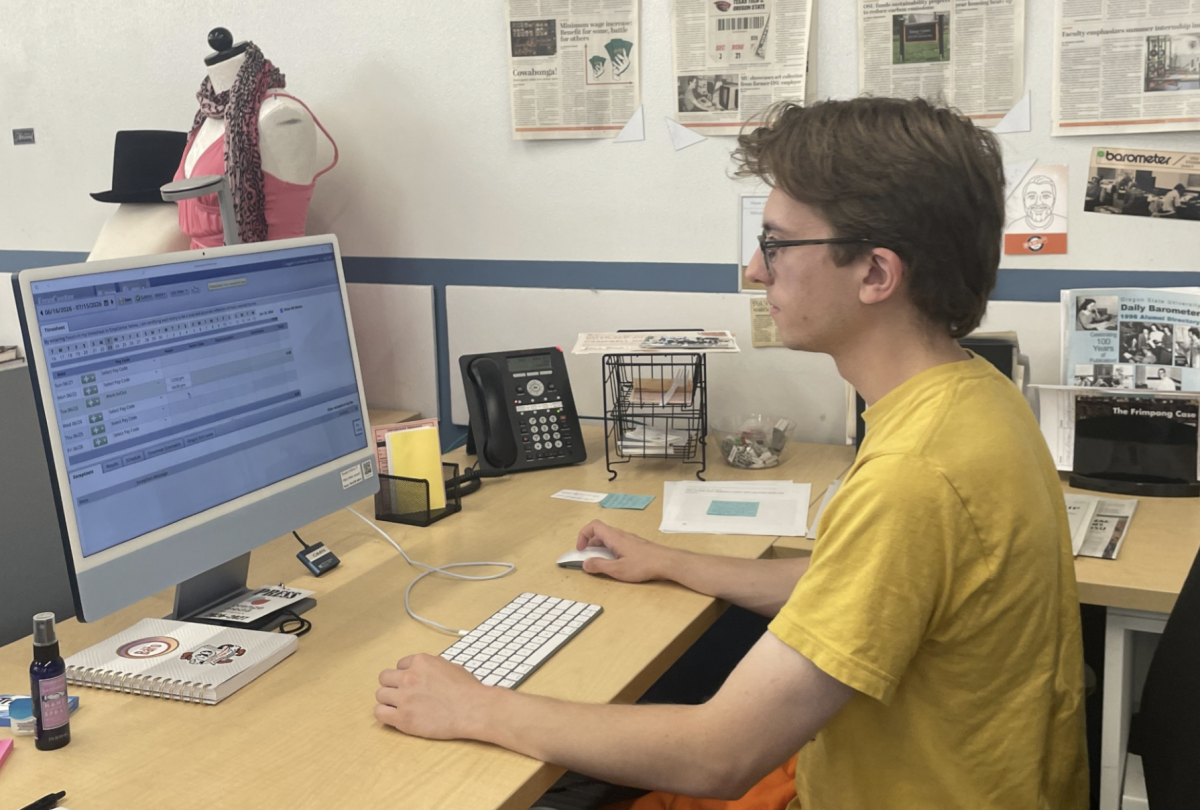
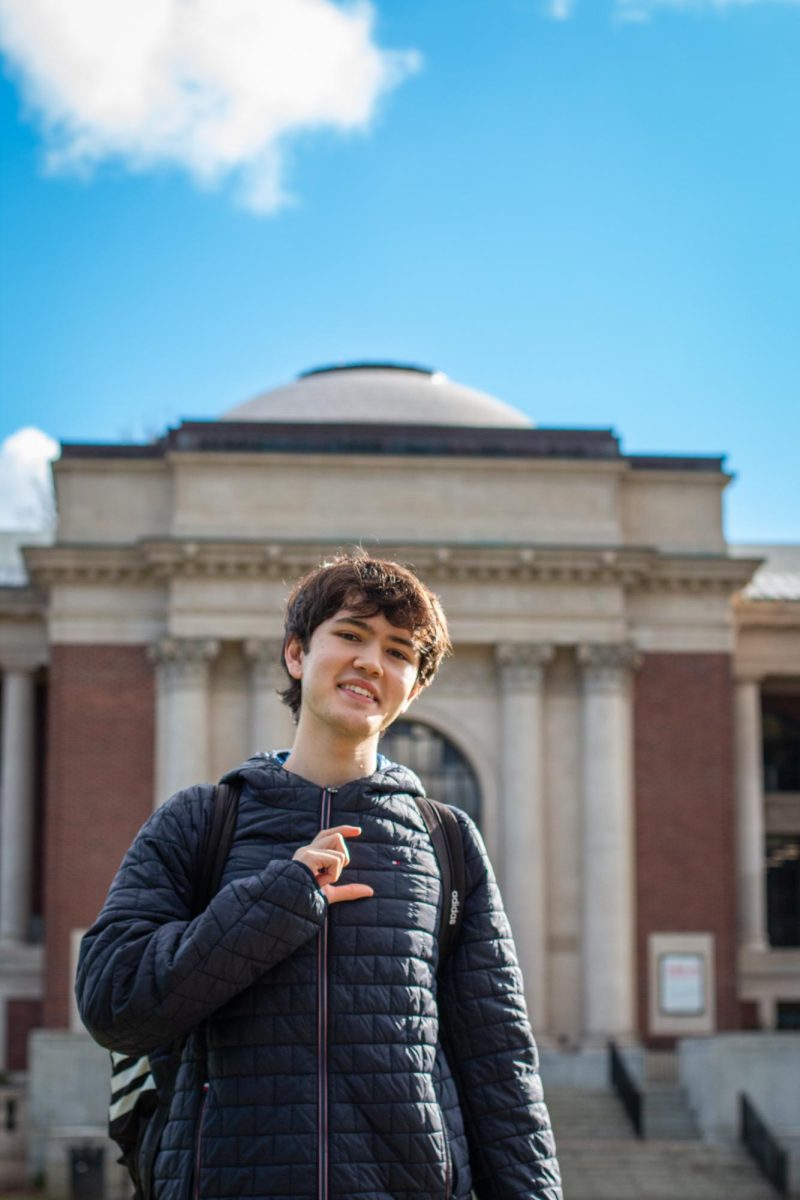
Bronsson Starke, an OSU primary education major working extensive hours at an on-campus daycare notes the hardships of finding time after work for his class load.
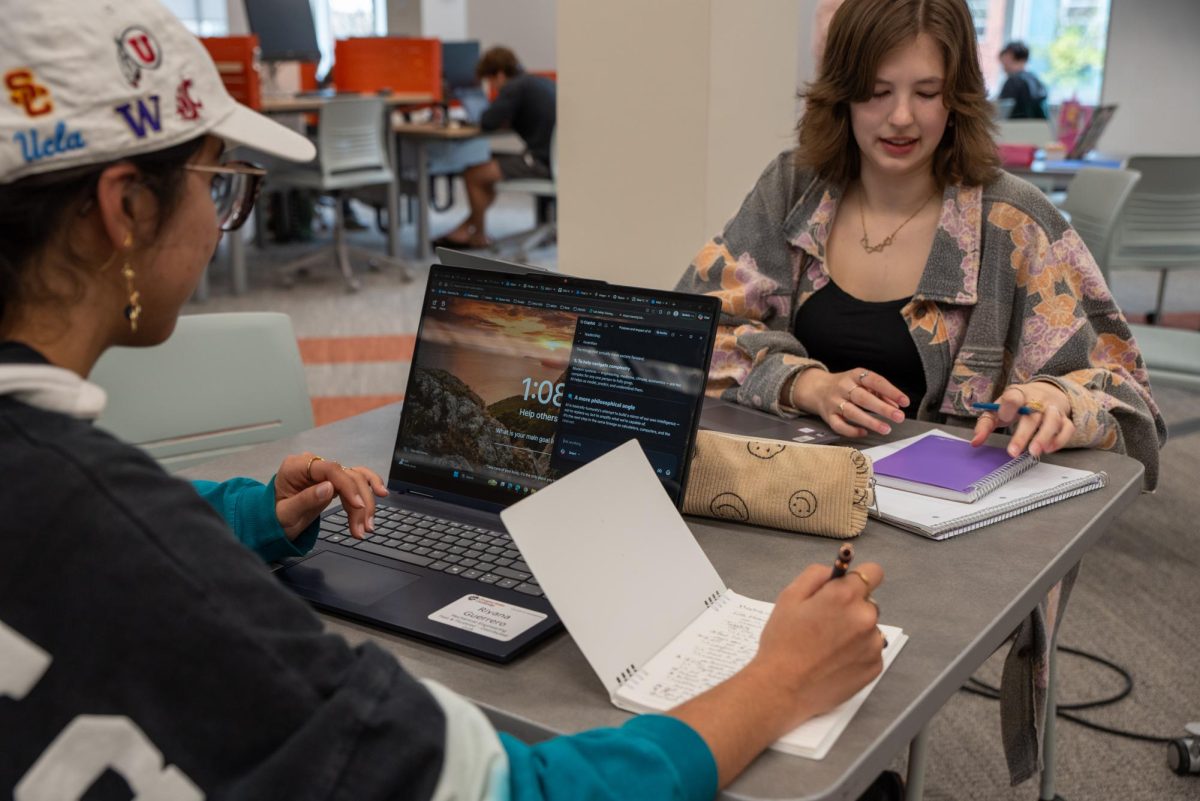
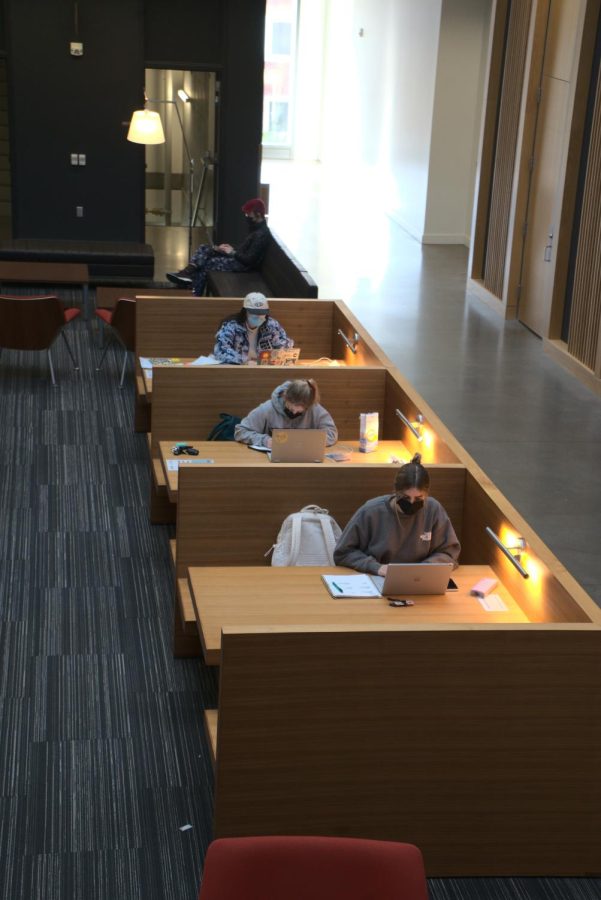
Primarily studying in the late hours, Starke prefers the Valley Library because it holds the latest hours of operation on campus, closing at midnight on weekdays and 10 p.m. on weekends.
“Having an open study space 24 hours would make my day more convenient,” said Starke. “Instead of cramming after a long workday, I could study early before classes and my job.”
Accessing a building on campus at all hours might seem unnecessary for some, but for the students who rely on campus spaces to complete their course load throughout the term, the ticking clock of a closing building is just another obstacle to move around in their busy day.
However, with the pilot project run by the Associated Students of Oregon State University representatives at the end of the 2024 fall term to extend these study spaces for the high-demand week of finals, the possibility for a different solution reared its head.
The library hasn’t heard word about the success of the project, but the space for 24-hour access in the library being reduced to a single floor might be the compromise for this campus situation.
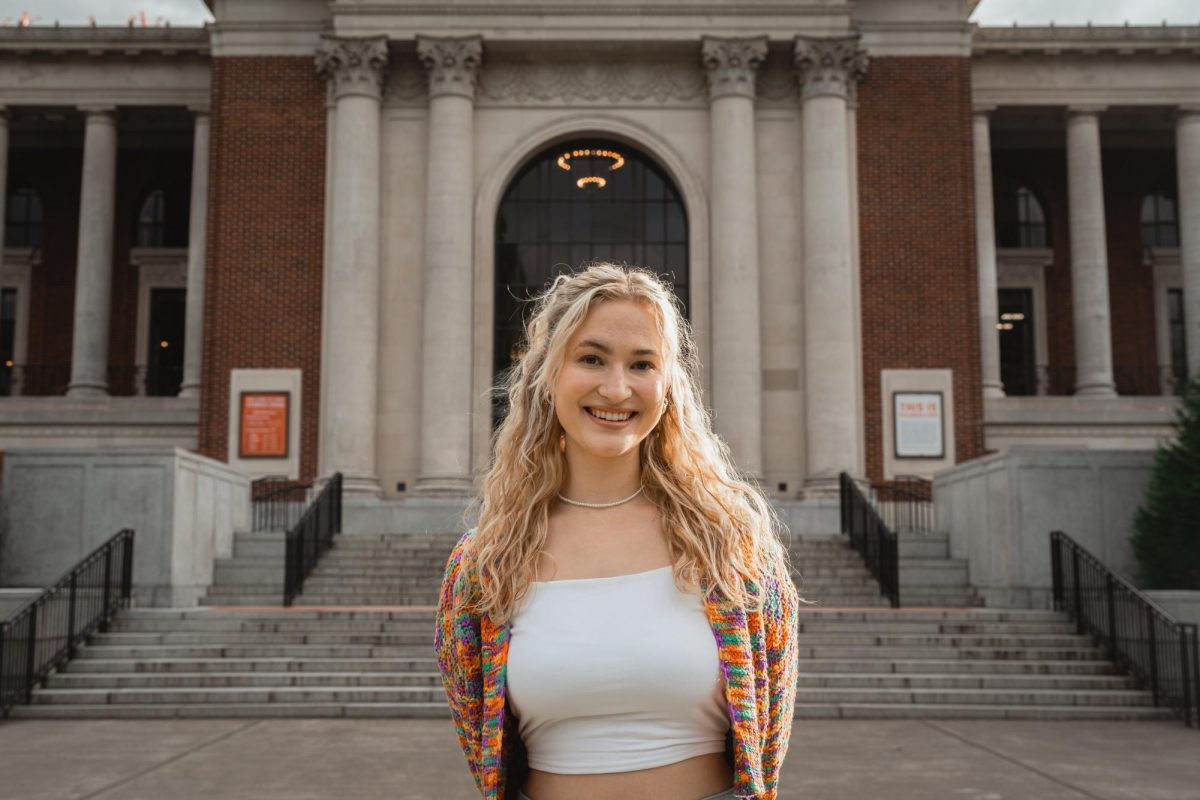
Trinity Oslapas, another student struggling to find a quiet place to concentrate, preferred the ambiance of the Memorial Union, which is open until 10 p.m. However Oslapas’ concern exceeded her own issue of finding the time after her busy work week.
As she recalled her time staying in the campus dorms, Oslapas expressed her frustration with a lack of 24-hour spaces as a new student.
“Freshman year it was hard for me to find a place open at night outside of my dorm,” Oslapas said.
Past the need for a space to complete assignments, Oslapas raised a different issue of safety and comfortability on campus. The use of campus resources takes many forms, which becomes evident as one explores a space like the Valley Library and sees a multitude of students performing different tasks.
Not only is this space used for doing solo assignments and group work, but also for playing board games with friends, completing a puzzle set up at the entrance, or even just taking an isolated table for a much-needed break from academic or social stress.
OSU’s Dean of Libraries Anne-Marie Deitering looked back at a time when the library did allow for full-time access. As COVID-19 takes the blame for many cut resources, Deitering emphasized that the library struggled with their 24-hour access before the interference of the pandemic.
Cutting hours in 2019, Deitering blamed a multitude of issues for the decline in access including cost, staffing and most importantly safety.
“Imagine a student had a medical incident that left them unconscious in an area of the building with a lot of bookshelves at 3 a.m.,” Deitering said. With limited staff and few students present, “It could be more than an hour before they were found by a security guard,” Deitering said.
With a combination of low staffing at all hours, the high cost of outsourcing for this graveyard position, and just a lack of student and full-time interest in these shifts, Deitering finds the disadvantages to outweigh the number of students that would benefit from full-time library access.
Balancing cost, safety and accessibility is no simple task, but the student body’s ongoing feedback will be crucial in shaping the future of campus study spaces. As Deitering emphasized the constant re-evaluation of student needs on a regular basis, she said the best course of action for struggling students is to stay active in the organizations built to voice student needs.