


























































Getting paid to eat food may sound like a dream job, and at the university sensory lab, the Corvallis community can get a taste of that very opportunity.
The Center for Sensory and Consumer Behavior Research invites students and community members to become taste-testers and contribute to food research and product development, potentially influencing which products make it to store shelves.
The sensory lab at Oregon State University specializes in conducting basic and applied research on client-based products by asking participants to take a sensory test, along with educating future sensory professionals.
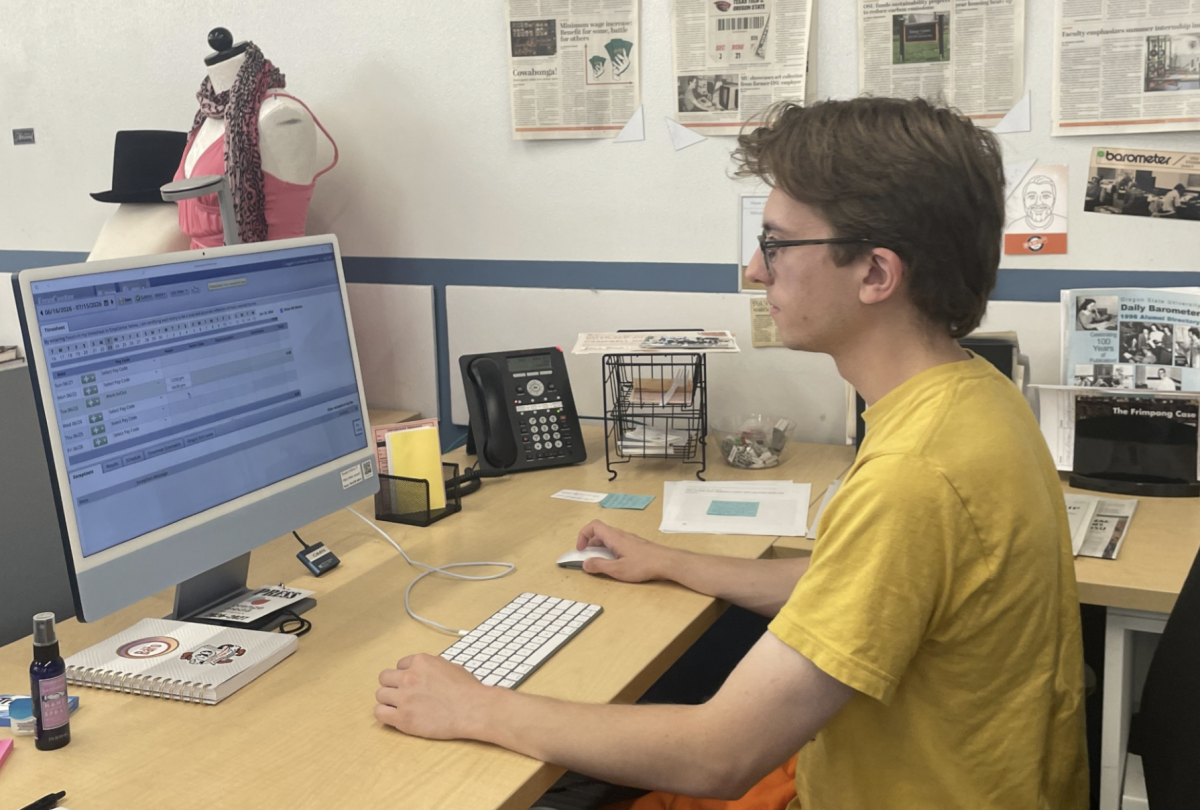
The process begins with filling out a short questionnaire on their website. Completing this enables Sara Maruyama, the sensory project manager, to add applicants to the taste tester pool. When a project is ready, the applicant will receive an email.
Further steps are made to make sure applicants qualify for the test. Maruyama said there is a good mix of students, OSU faculty and community members that get added to the applicant pool regularly. Panelists who complete up to 30 minutes of testing time are rewarded a $10 gift card of their choice.
Maruyama graduated from OSU’s food science and technology program and has seven years of experience working for Tillamook Creamery.
The Center for Sensory and Consumer Behavior Research works with both local and national companies that utilize their taste-testing services.
Most of their studies are conducted for companies with consumer packaged goods, and specific research depends on the clients’ research objectives. These objectives typically include determining how much a product is liked or disliked and if key sensory attributes like saltiness, crunchiness or spiciness are too strong, too weak or just right.
“I have seen items that we’ve tested make it to store shelves,” Maruyama said in an email.
The products tested are not limited to food and beverages; they also include personal care products like sunscreen.
“Recently we’ve tested jerky, trail mix and fruit juice. In previous years, we’ve tested burger patties, cream cheese, chocolate-covered caramels and pancakes, which are just a few examples,” Maruyama said.
Maruyama explained how consumer testing prior to a product launch is a very important step in product development. By not giving the product to consumers before it’s launched, the company takes a risk of the product falling short of consumer expectations.
The cost of consumer testing can be expensive and often a barrier for smaller companies, so not all companies use these services. By employing students, the sensory lab can operate at a slightly lower cost compared to labs with full-time salaried employees.
“I believe our model makes consumer testing more accessible to clients that cannot afford to pay more for similar services at another lab,” Maruyama said.
The sensory lab will continue to provide its services as long as there is a demand for them. Maruyama said she has seen some student workers who signed up as testers when they first began at OSU and continued testing throughout their time in college.