










































































With temperatures set to reach nearly 100 degrees this Sunday and Monday, experts say being prepared and informed can prevent heat illness in hot summer months.
Heat illness is an umbrella term used to describe symptoms and conditions associated with extreme and/or prolonged heat exposure.
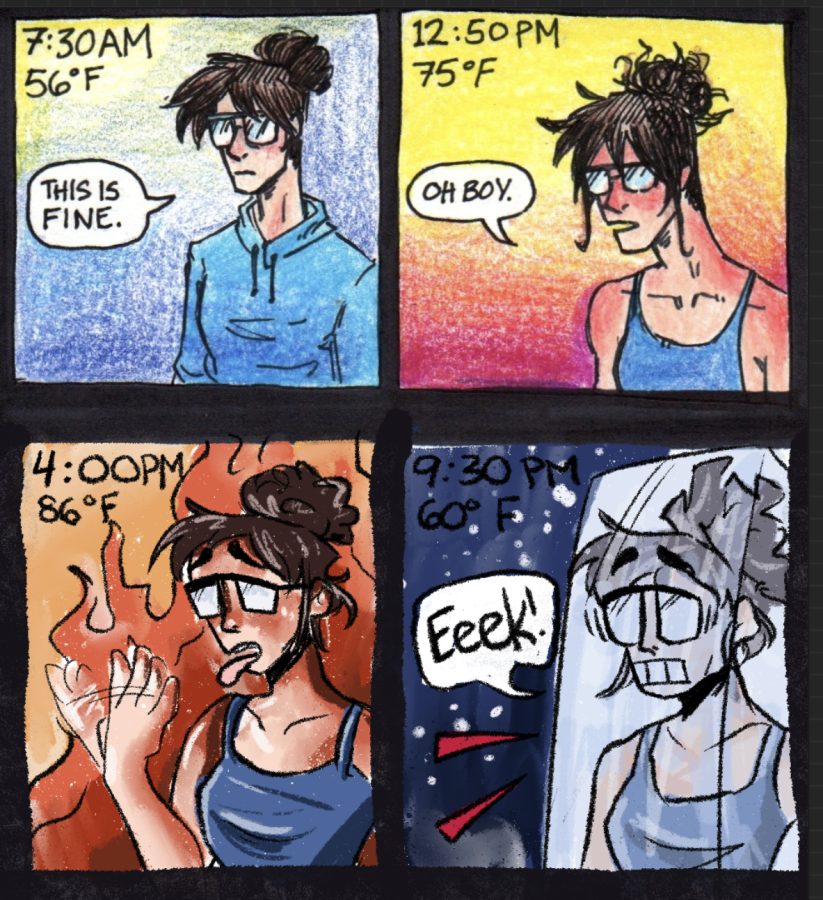
“When planning outdoor activities, weather apps can be useful in tracking upcoming heatwaves and extreme weather. Heat tends to peak between 3 and 5 pm. Keep to the shade, as direct sunlight puts extra stress on the body in high heat,” Helen Lee from Student Health Services said in an email.
Additionally, doing laborious activity in high heat will greatly increase the risk of heat illness.
Lee advised to save outdoor exercising for either early mornings or in the evening after 6 p.m. During peak heat hours in the middle of day, stick to exercising inside with air conditioning.
Supplies to Beat the Heat:
- Plenty of water
- Hats
- Loose, breathable clothing
- Outdoor umbrellas
- Fans
- Sunscreen
Lee also emphasized the importance of water and staying hydrated.
On hot days, a person should attempt to drink half their body weight in ounces of water, according to Lee. For example, somebody who is 160 pounds should drink 80 ounces of water, or 10 cups a day.
Hydration is important, but alcohol does not count. In fact, many of the effects of substances become more intense in the heat, according to Dr. Shanilka de Soyza from SHS. It’s best to avoid drinking in high heat, but use the buddy system if necessary. Drink plenty of water with alcohol, since the latter is dehydrating.
To prevent heat rash and general discomfort, non-restrictive clothing is a must in high heat, Lee said. Things to avoid include tight fitting clothes, such as jeans, binders or sports bras. Heavy fabrics, such as denim or wool, are not recommended.
AC can be found on campus in locations such as the Valley Library, the Memorial Union, most of the dining halls and the Student Experience Center.
Jess Fitzgerald and Barbara Forrest-Ball from Disability Access Services said in an email that the Basic Needs Center and University Housing and Dining are good resources for students that may have trouble accessing a fan this summer.
Certain individuals are more vulnerable to heat illness, though any person can be affected if unprepared.
Soyza provided examples of those who are more susceptible to heat illnesses:
- Under 5 years old
- Over 65 years old
- Disabled
- Economically disadvantaged
- Unsheltered
- Socially isolated
- Chronically ill
For non-emergency heat illness aid:
- Campus has Student Health Services to receive same day care, or see a primary care physician
- For advice or questions, call the SHS nurse line, or securely message them through their patient portal
- For non-campus residents with heat illness cases, go to urgent care or see your primary care provider for medical attention
Reach out to Student Health Services directly for more heat information at 541-737-9355.