






















































































As Oregon heats up into the 90s and fire season officially begins, agencies are bracing on two fronts: addressing rising heat risks and ensuring they have the staff to respond.
On June 15, the Oregon Department of Forestry announced that all districts across the state are officially in fire season as high temperatures and dry conditions increase wildfire danger.
Meteorologist David Bishop at the National Weather Service Office in Portland said locals should take precautions during peak heat.
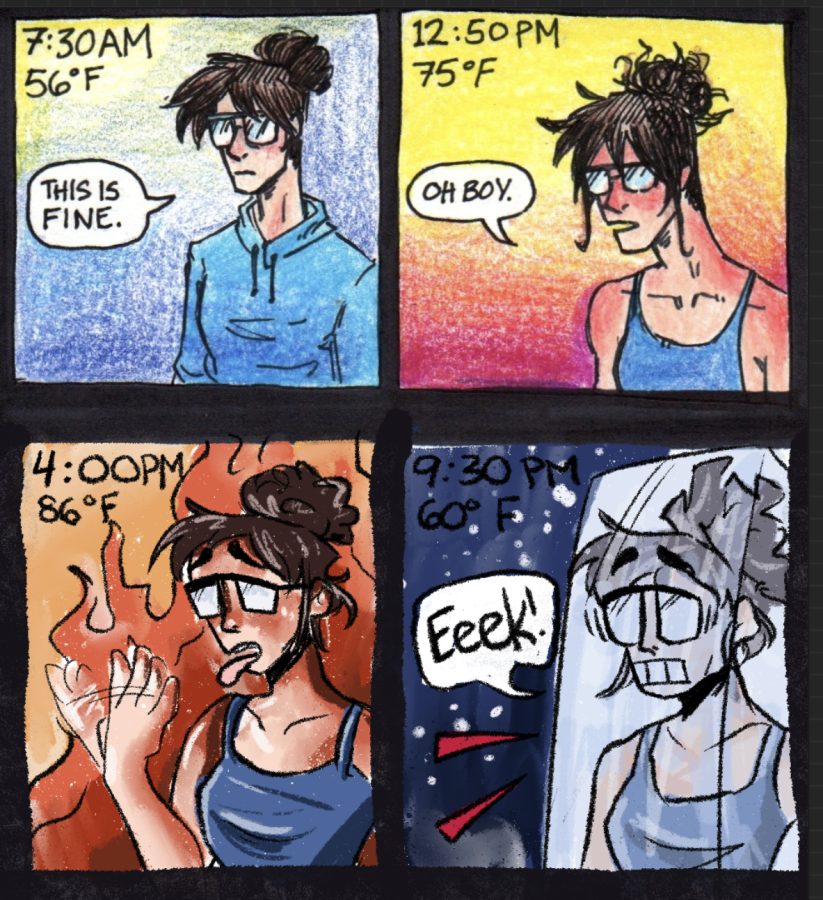
“If at all possible, limit outdoor activities during the hottest parts of the day, which range from about noon to 5 p.m.”
When participating in outdoor activities, Bishop also suggests making a conscious effort to keep cool air inside, drink water regularly and seek shade, noting it can help reduce the feel of outdoor temperatures by 10 to 15 degrees.
Beyond individual safety, especially for those fond of camping trips, Bishop said forecasters are closely monitoring weather patterns that influence wildfire risk, including heat, wind and fuel conditions.
“We have currently been dealing with dry, windy conditions, so the last piece of the fire triangle that we are keeping an eye on right now is the fuels,” Bishop said, referring to vegetation that becomes more flammable as it dries.
While meteorologists track conditions, ODF focuses on prevention and response, working alongside wildland firefighters during the summer months.
Protection Unit Forester Leo Williamson at ODF said that when hiring seasonally, they occasionally rely on students across the state.
“Wildland (firefighting) hires seasonal staff and recruits heavily from schools like Oregon State University, University of Oregon, and other schools across Western Oregon,” Williamson said.
With many students spending time outdoors for work or recreation, officials stress that understanding fire restrictions and heat safety is essential to protecting both themselves and Oregon’s landscapes during peak fire season.
For more information on state fire restrictions, visit the ODF website, and for more information on local weather or heat precautions, visit the National Weather Service’s website.