






















































































Conferences rise and fall like empires.
It might seem bizarre or seemingly tactless, but to me it is … all-too-human.
The question of whether the Pac-12 should be considered a power conference feels almost, but not quite, premature. For more than a century, the conference was not merely a power league, but one of the sport’s institutional pillars producing national champions in a multiplicity of sports.
Also produced were Heisman winners, Olympic gold medalists and countless NFL, NBA and athletic stars.
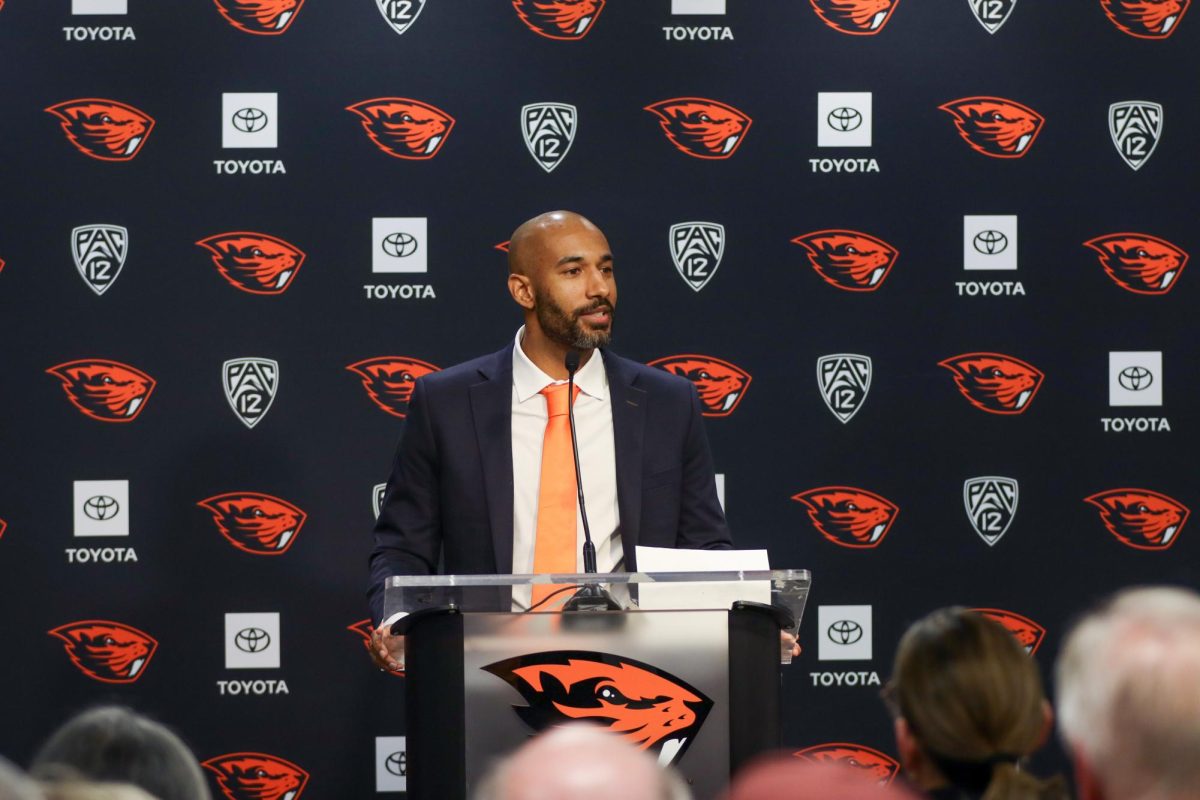
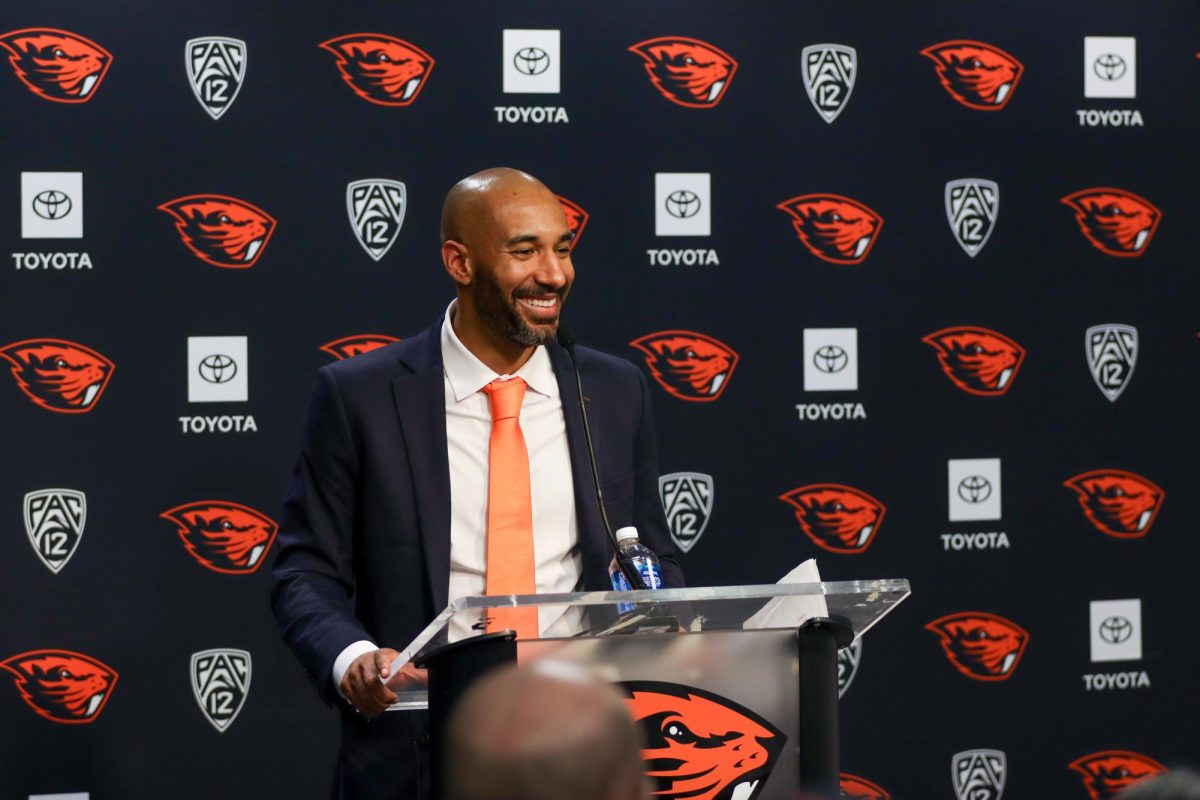
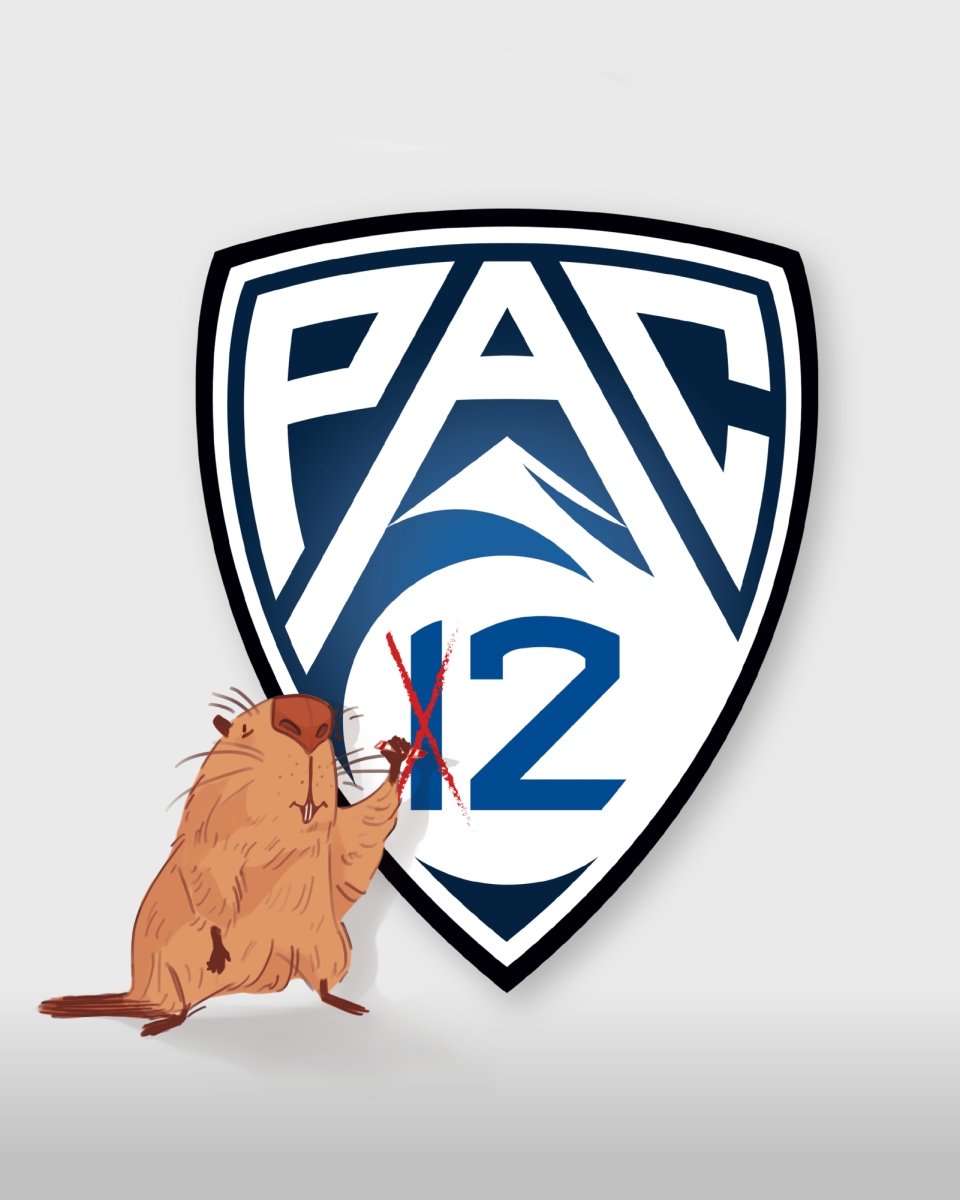
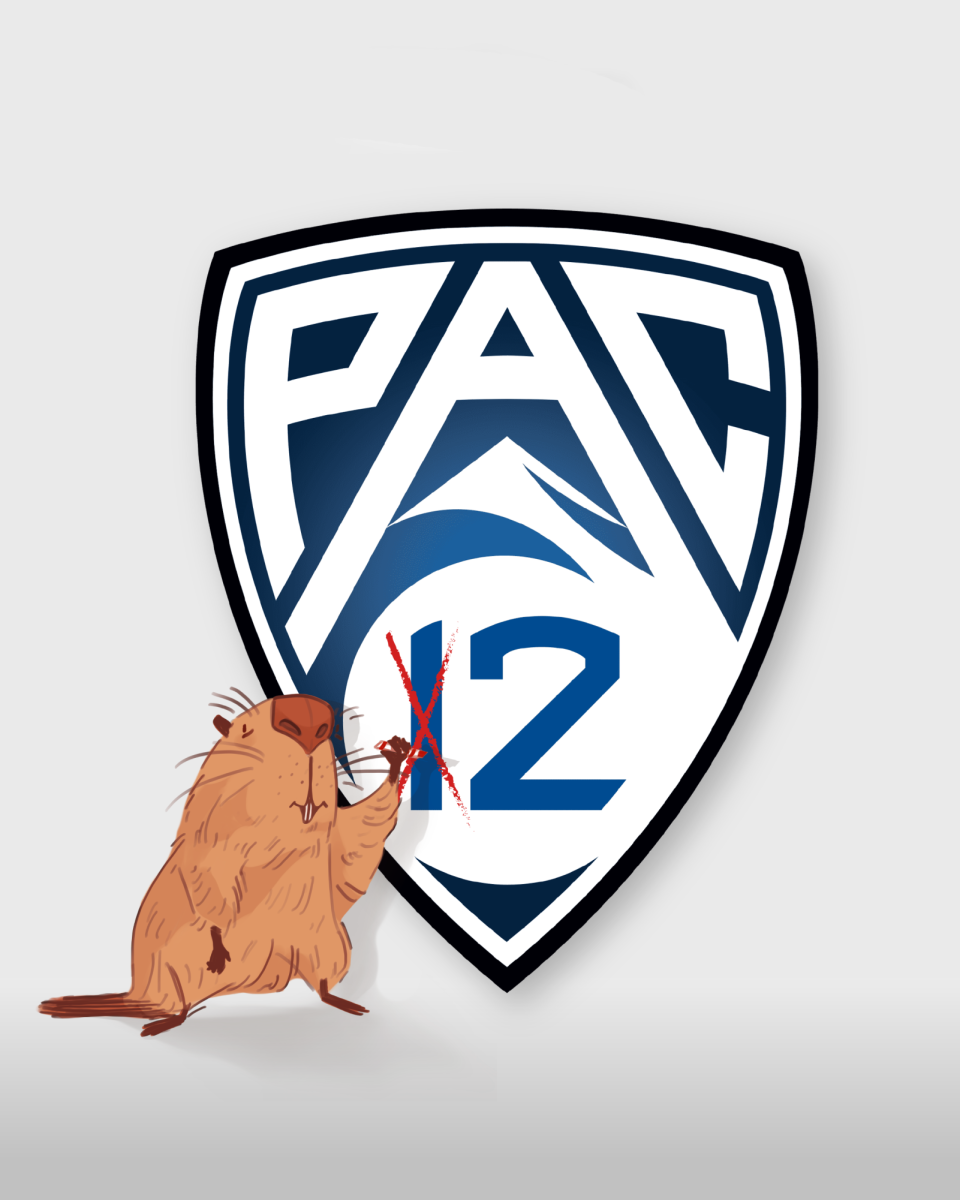
The dissolution of the Pac-12 as it was known, followed by its resurrection, has brought forth a conversation in college football about how mighty this new conference is.
Traditionally, power conferences have been defined by money, competitive excellence, historical prestige, media glamour, institutional stability and the reach of their imperial recruiting arms. By those standards, the Pac-12 was unquestionable.
Even in years when it lacked a College Football Playoff contender, the league routinely sent multiple teams to major bowls and tournaments. Power, then, was not purely about winning championships; it was about relevance, permanence and money.
That definition no longer holds.
In the contemporary landscape, power is primarily financial. Media contracts and revenue distributions are seemingly the access card to the CFP, save that handful of random non-power conference teams that manage 12 or 13 wins each year.
On that axis, the Pac-12 has undeniably fallen behind. The conference’s inability to secure a competitive media deal led to the departure of its biggest brands. When University of Southern California and UCLA left for the Big Ten, followed by University of Oregon and University of Washington, the Pac-12 became a zombie and its superpower status was ended.
Conferences do not lose four cornerstone programs and remain structurally equal to leagues that generate twice the annual revenue.
Yet, declaring the Pac-12 “not a power conference” risks oversimplifying both the present and the future. Is it IMPOSSIBLE for these teams to win a national championship? No, of course it is not impossible.
In fact, expect a Pac-12 team to make the playoff every two or three years, especially given the seemingly impending 16-team expansion.
Expanded access theoretically lowers the barrier to national relevance for leagues outside the Big Ten and Southeastern Conference. If a rebuilt Pac-12 can secure automatic qualification or consistent at-large consideration, then a competitive opportunity still exists.
The Pac-12 doesn’t receive an automatic bid, but the Group of Six does. If the Pac-12 can represent the G6 well, then it should be a power conference.
Power, in that sense, is more about access to the sport’s highest stages. A conference that can regularly place a team into the playoffs, even if it lacks nine-figure media deals, remains in the public consciousness.
Critics point out that without national brands like USC, massive budgets and recruiting reach, the Pac-12 will risk becoming indistinguishable from the Mountain West or American Athletic Conference.
Television exposure drives recruiting; recruiting drives wins; wins drive relevance. From this perspective, power is a self-serving feedback loop.
For the Pac-12 to climb back into being a Power Four, would be Power Five, conference, it will need to drive this feedback loop. This can be accomplished through occasional (and seemingly lucky) CFP appearances to increase television exposure, then recruiting, then wins.
College football history is not linear. Leadership, timing and external shocks occasionally explode the landscape. The Big East collapsed, but its basketball identity survived in a new form. Power conferences are not immutable entities; they are empires responding to gains and losses.
If the Pac-12 can reconstitute itself with strategic additions, coherent governance and a clear media vision, then it will expand its coffers as dynasties seek to do.
Perhaps the more honest conclusion is that the Pac-12 should not be judged by yesterday’s standards.
It is no longer a power conference in the traditional, revenue-driven sense, but it remains considered in the national consciousness. A conference can be nationally competitive without being financially dominant, especially in an expanded playoff era.
The Pac-12’s path forward lies not in reclaiming its past glory, as empires try, but in redefining its goals to have just a little bit more.