

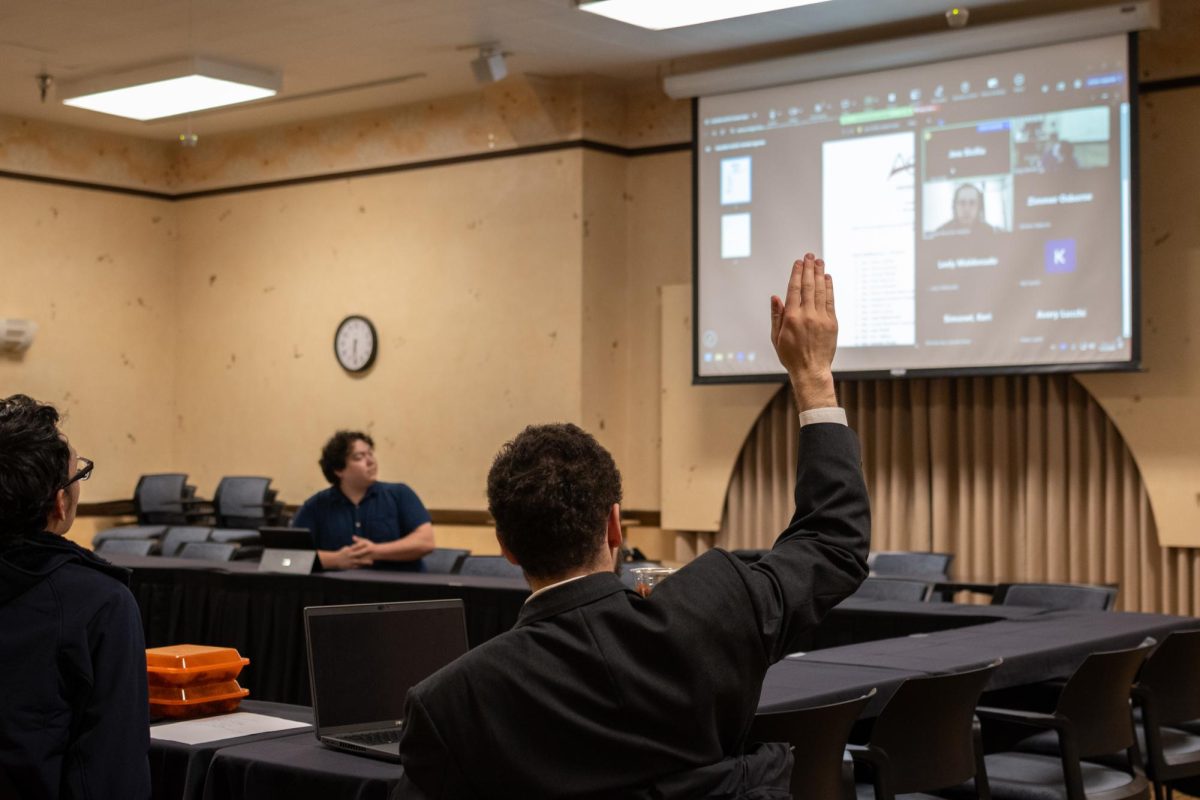






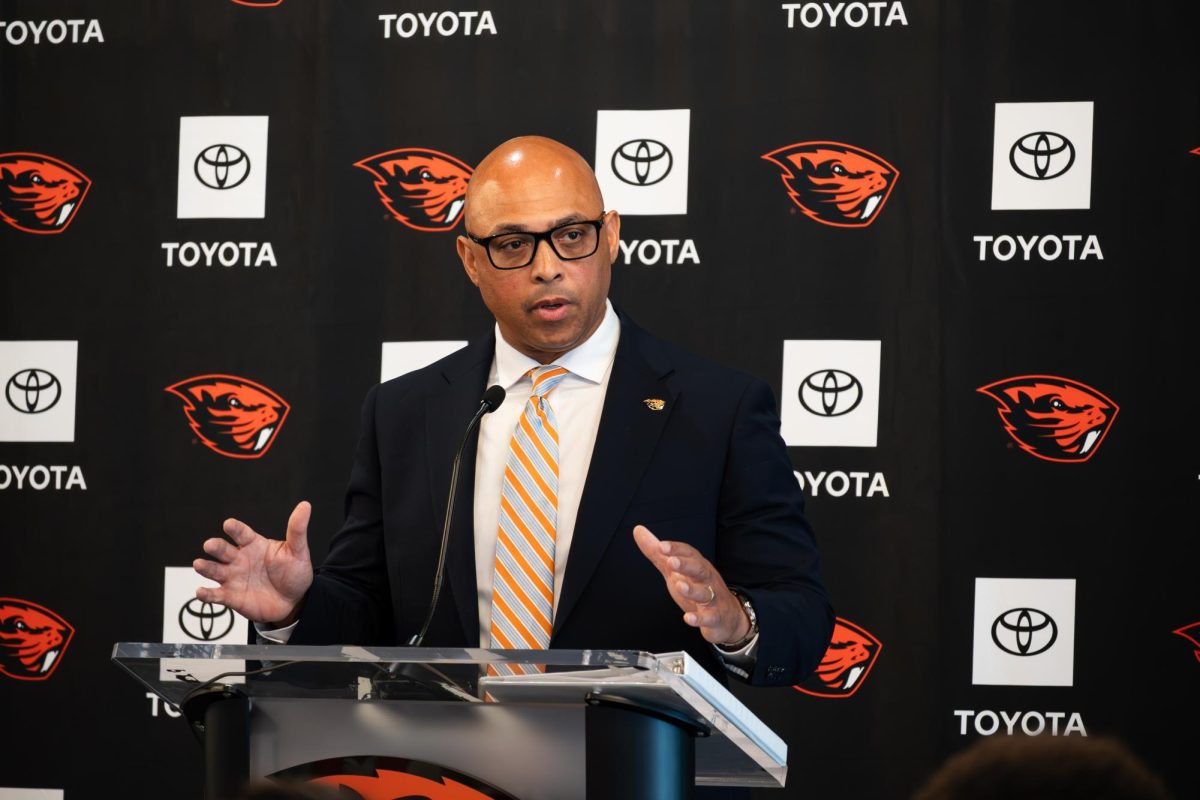





































Candidates for the Associated Students of Oregon State University presidential and vice presidential tickets outlined their plans to address student concerns during a debate Thursday night.
Topics included food affordability, student mental health resources, campus services and student engagement.
Four of the original five tickets participated in the debate. The fifth ticket — Nora Roesch and Gabrielle DeClark — withdrew from the race shortly before the event.
The biggest issue facing campus and how to address it
Candidates were first asked to identify what they see as the biggest issue facing OSU’s campus, and how they planned to address it.
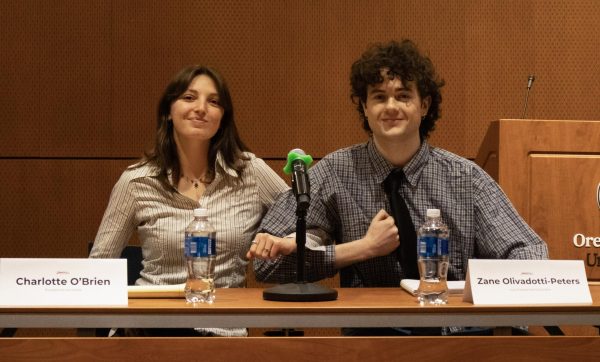
Charlotte O’Brien and Zane Olivadotti-Peters, running under the “Reinforce the DAM” ticket, pointed to affordability — particularly food and tuition — as their top concern. O’Brien said state-level education funding cuts have worsened financial pressures on students.
“We know the state level is really something we want to prioritize, making sure that tuition is being supported and high education is being supported on the state level,” said O’Brien, who previously served as ASOSU’s state legislative policy coordinator.
O’Brien and Olivadotti-Peters emphasized improving mental health services and strengthening support for student clubs and organizations.
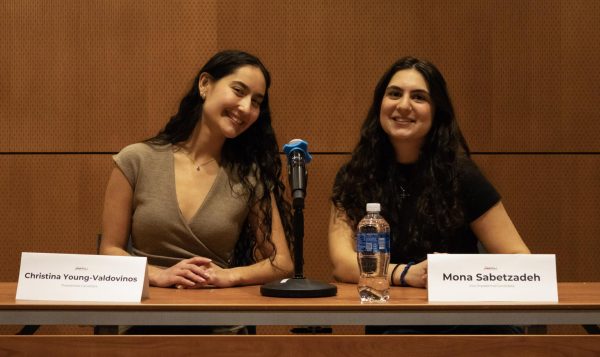
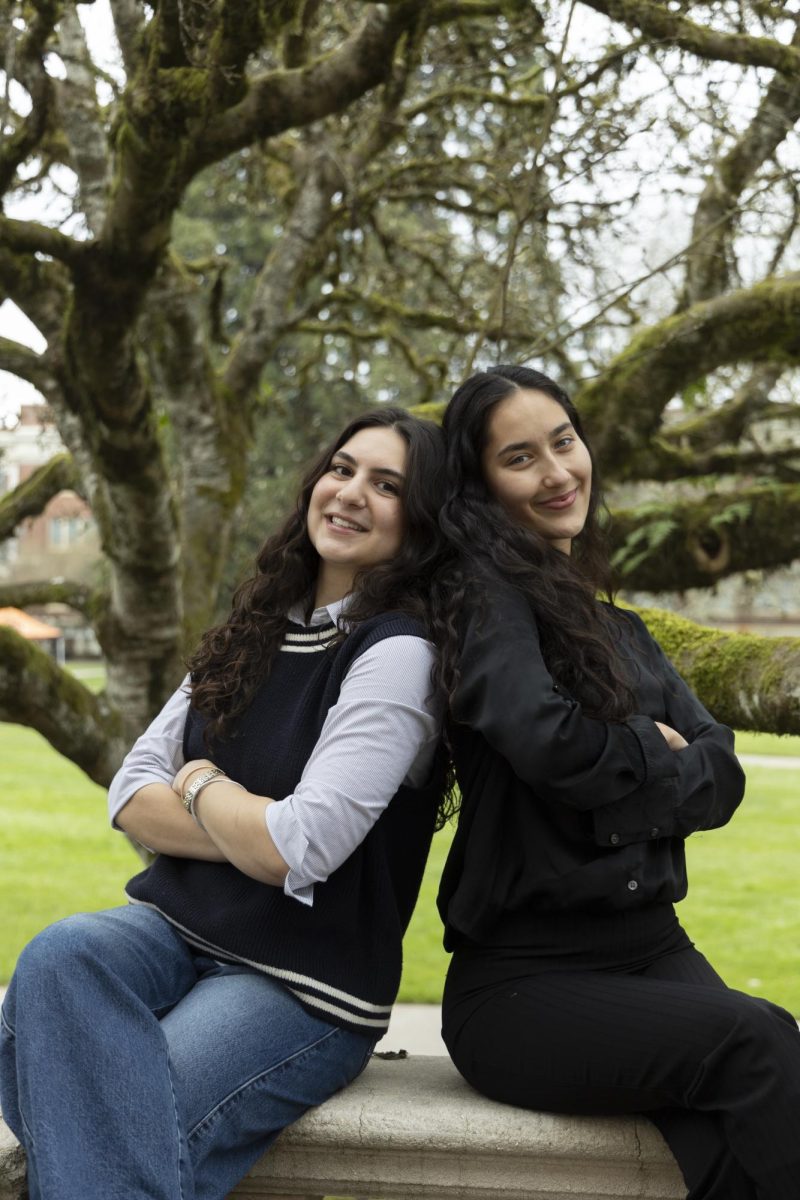
Christina Young-Valdovinos, vice president of the Association of Latin American Students and a candidate for ASOSU president, and vice presidential candidate Mona Sabetzadeh focused on access to Counseling & Psychological Services. They criticized long wait times and limited availability.
“I think that’s one of the most needed resources for Oregon State students,” Sabetzadeh said. “There’s a specific engineering CAPS section, and there’s one for the rest of the students. It’s obviously very needed and also has the biggest wait times.”
Sabetzadah said their goal would be to reduce CAPS wait times from roughly two months to two weeks.
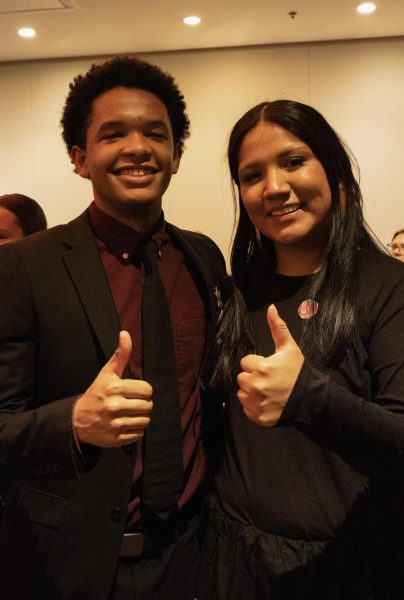
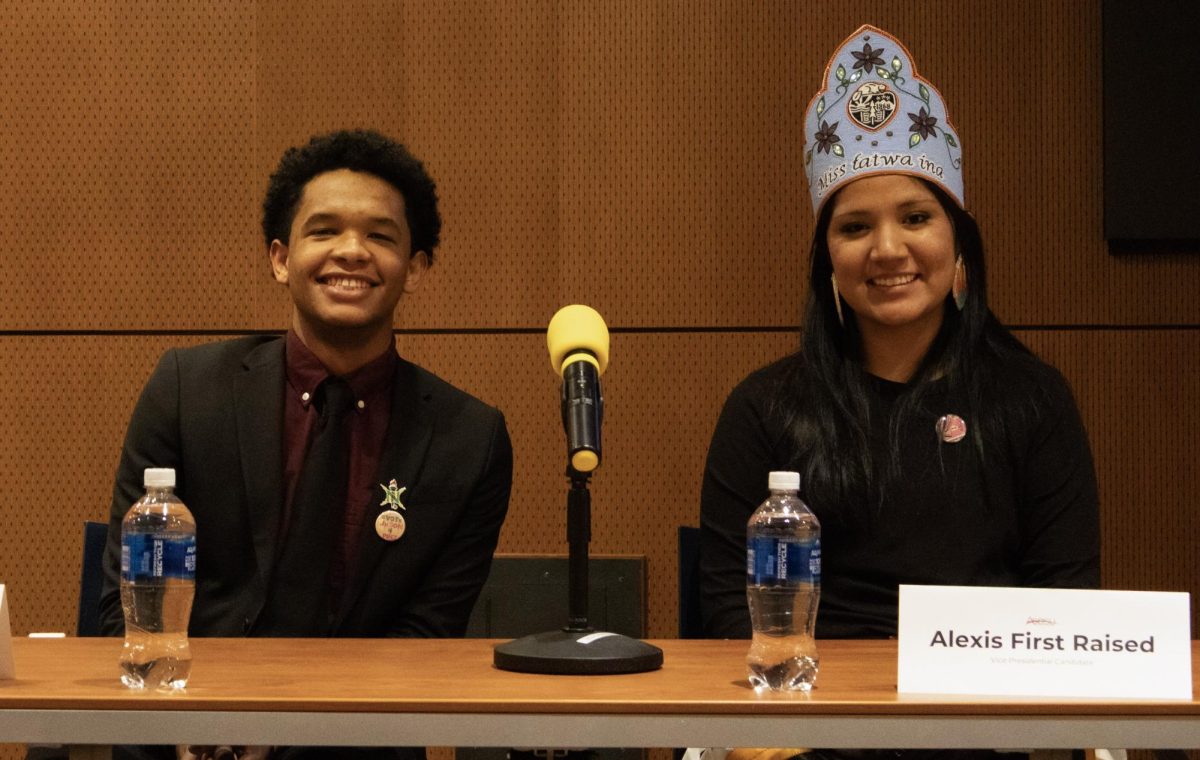
Jason Williams and Alexis First Raised — who are running under the ticket, “DAM Unity” — further echoed concerns about CAPS but also emphasized cultural engagement on campus.
“I believe the cultural events that Oregon State runs — not cultural centers and clubs — don’t really involve students as well as they should,” Williams said. “For example, the MLK peace breakfast that was held in January, not one black student won an award.”
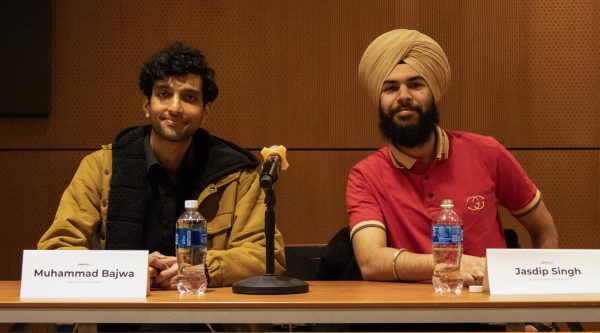
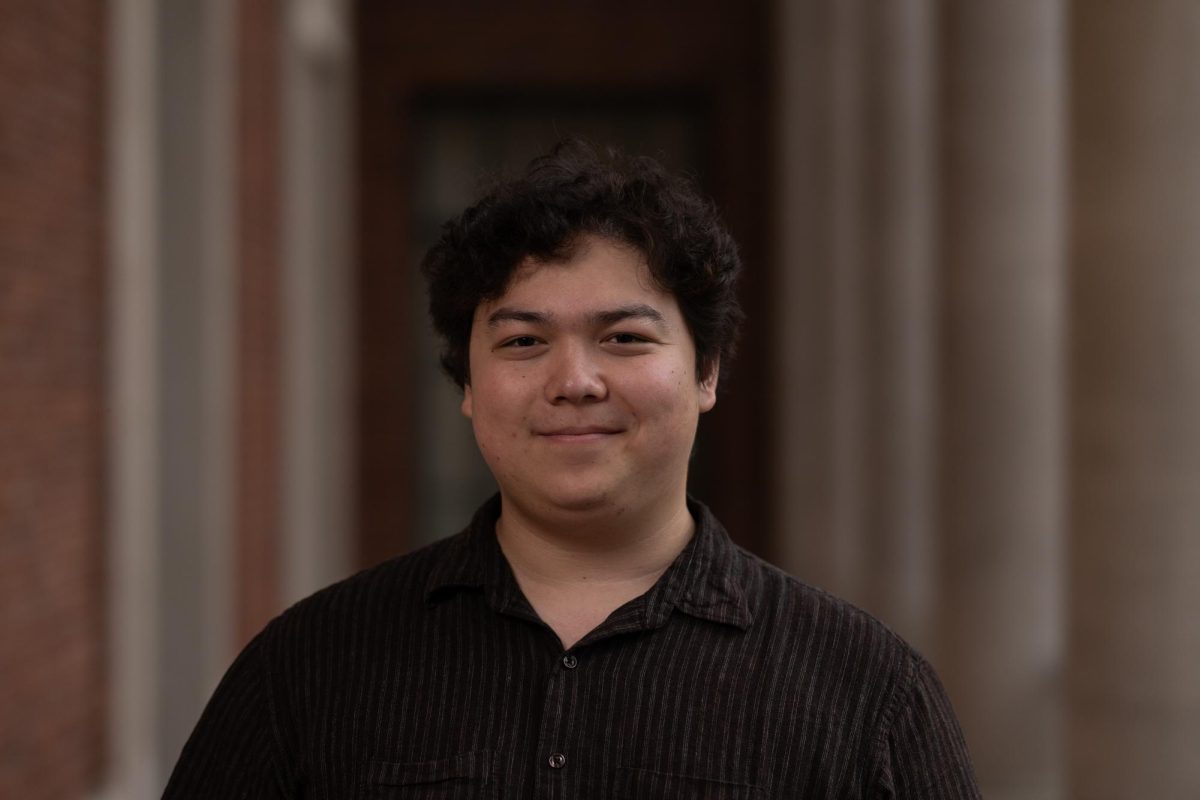
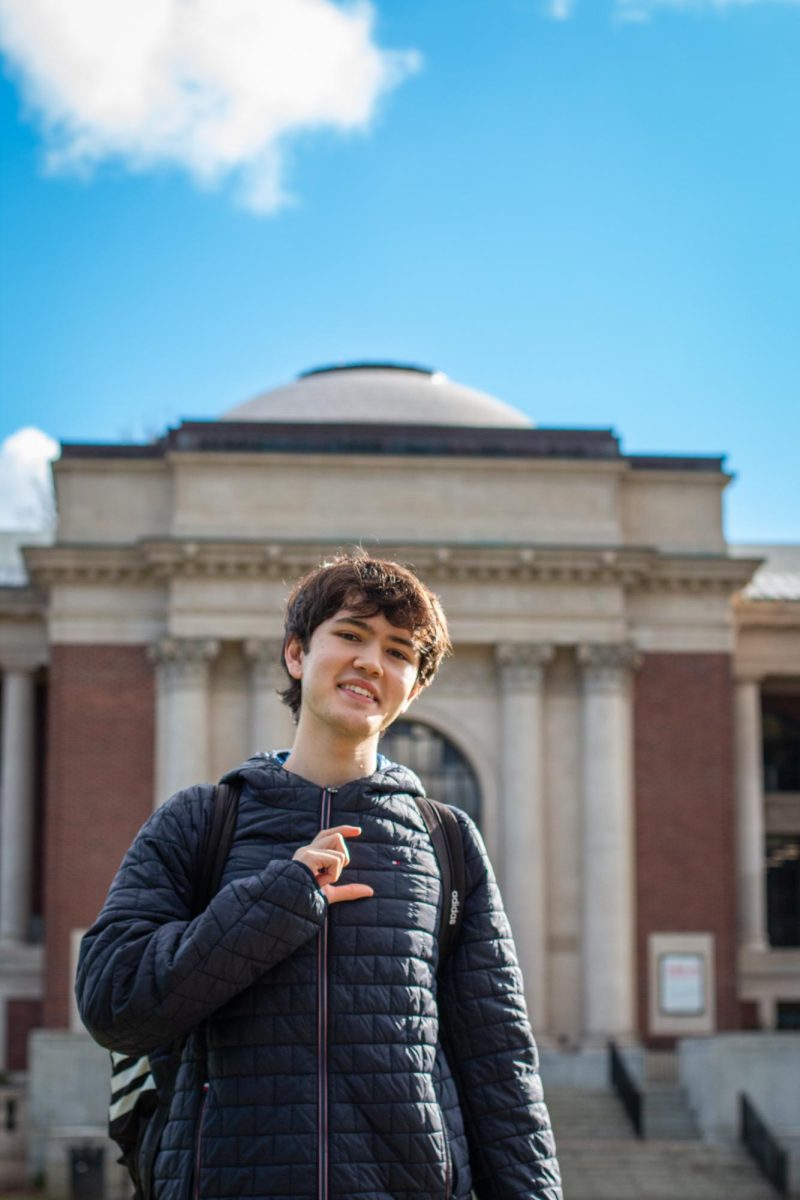
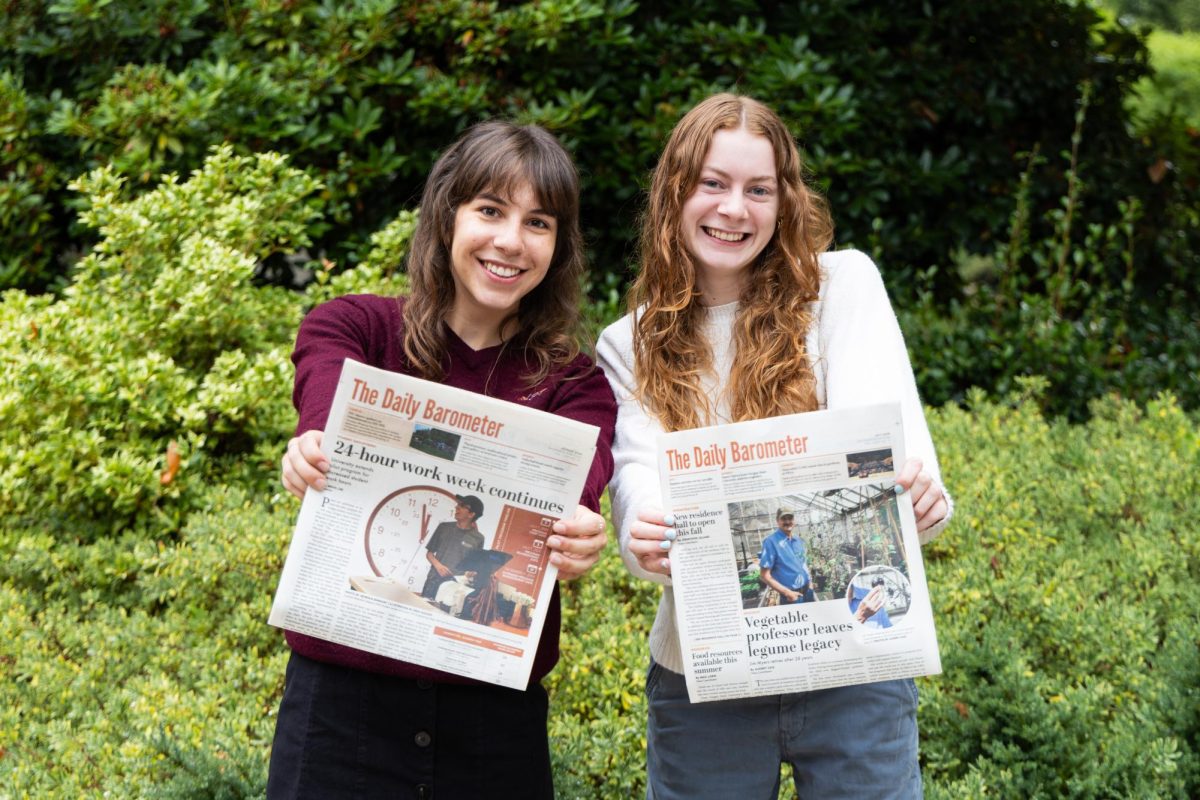
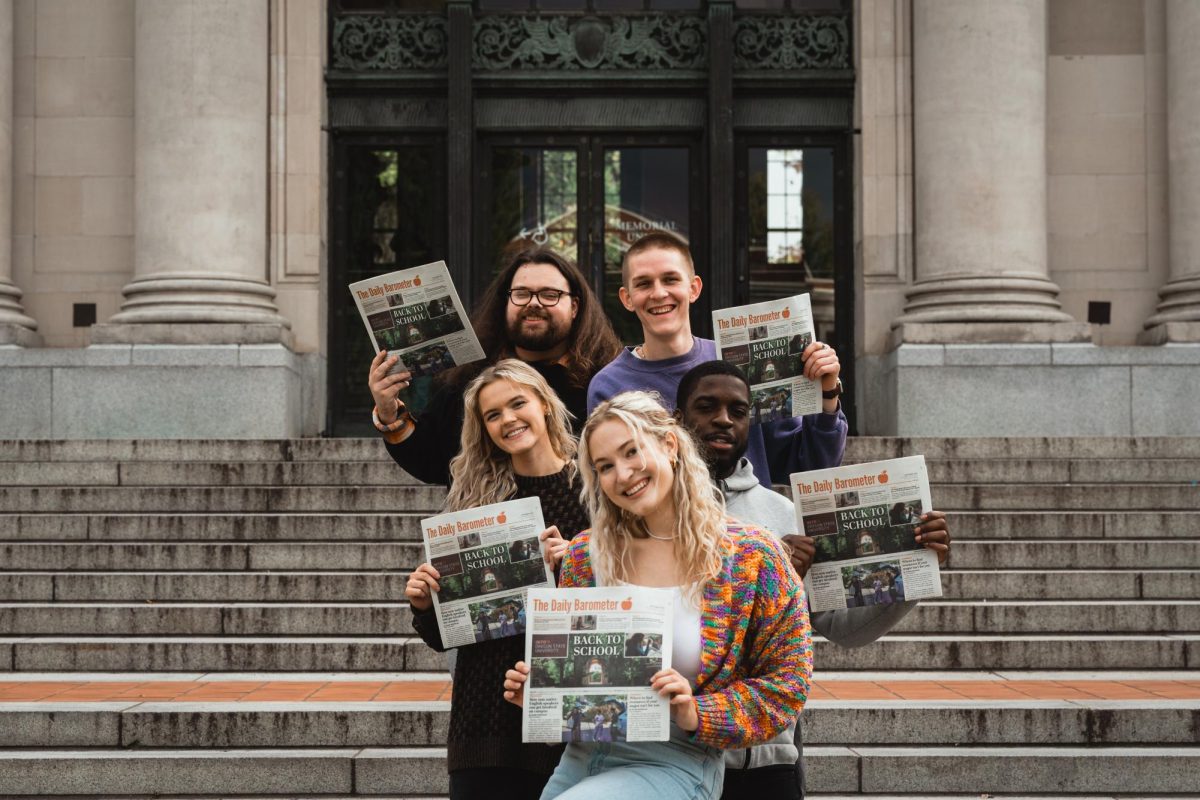
Muhammad Bajwa, treasurer of the Pakistan Student Association and writer for The Daily Barometer, and Jasdip Singh — a photographer for The Daily Barometer — identified food affordability as their primary issue.
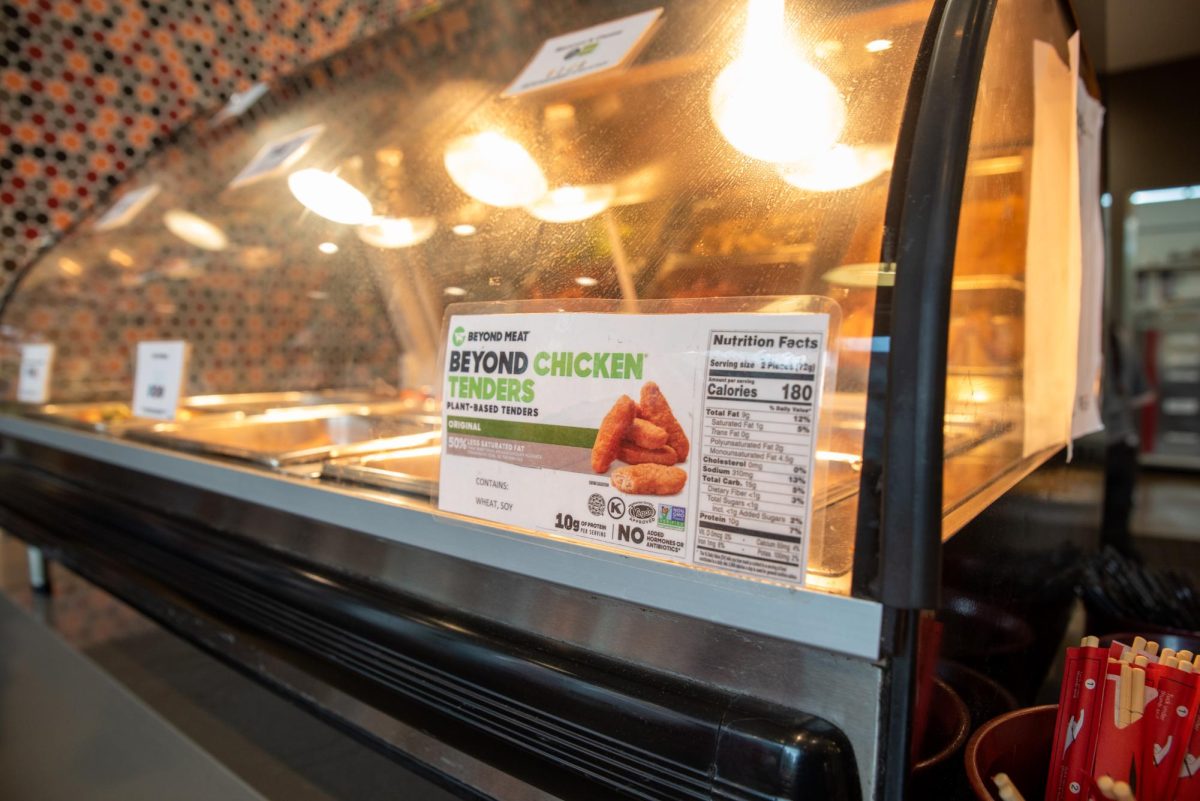
“Food is very expensive,” Singh said. “It starts at 10 bucks, and some students feel like it’s a high price for them. (Especially if) they don’t have a job on campus and off campus and they are busy studying.”
Singh said they would work with the university to lower food prices or create a buffer system that allows students to pay what they can.
Increasing student awareness of ASOSU
Candidates were also asked how they would address low student awareness of ASOSU. Voter turnout in recent elections has been low, and many students remain unfamiliar with ASOSU’s role at Oregon State.
Williams and First Raised, said they would use their connections through clubs and campus organizations to encourage participation.
“Once you grow those connections, they can invite more and more (people), like open forums and stuff like that,” Williams said.
Bajwa and Singh said they recently spoke with students who were largely unaware of ASOSU and have begun sharing information through social media.
“It should be our responsibility that we should expose this thing to everyone, what ASOSU is and its responsibility, and what our students should do to contribute to this,” Bajwa said.
Young and Sabetzadeh proposed monthly in-person meetings with students, along with weekly email newsletters.
“Iin these open meetings, students would actually be able to come and talk to us about any concerns they may have, any ideas,” Young said. “With student fees, it’s our money, so (students) should have more of a say in what happens with it.”
O’Brien and Olivadotti-Peters said they would prioritize digital outreach, including weekly newsletters and social media updates summarizing ASOSU Senate activity.
“We talked about … synthesizing … what’s going on in the ASOSU with social media posts,” O’Brien said.
Setting campaigns apart
When asked what sets their campaigns apart, O’Brien and Olivadotti-Peters pointed to their complementary experience levels.
“We’re kind of like two sides of the same coin,” O’Brien said.
Olivadotti-Peters expanded on O’Brien’s words and said that while O’Brien had prior experience in student government, he had knowledge of what the average student thinks about ASOSU. Together, they plan to incorporate both of those perspectives into their work as president and vice president.
Young and Sabetzadeh emphasized their focus on food access and CAPS reform, as well as expanding awareness of existing food assistance programs on campus.
“There are affordable options on campus, but I don’t think many people know that,” Sabetzadeh said.
Bajwa and Singh said their approach centers on directly asking students what issues matter most to them.
“We are reaching out to students and asking, ‘What picture comes to your mind (when we say ASOSU),’ and ‘what … issues you feel like need to be addressed?,’” Singh said.
Williams and First Raised said their connections across campus would give them a strong perspective on what students want and argued these connections would allow them to reach a broad audience.
“DAM Unity has a team that is involved in various different places on campus, such as clubs, student workers, different departments, schools and colleges,” Williams said.
The ASOSU ballot opens on Feb. 23 and closes March 6. Students can expect an email with the ballot link the day voting begins.