



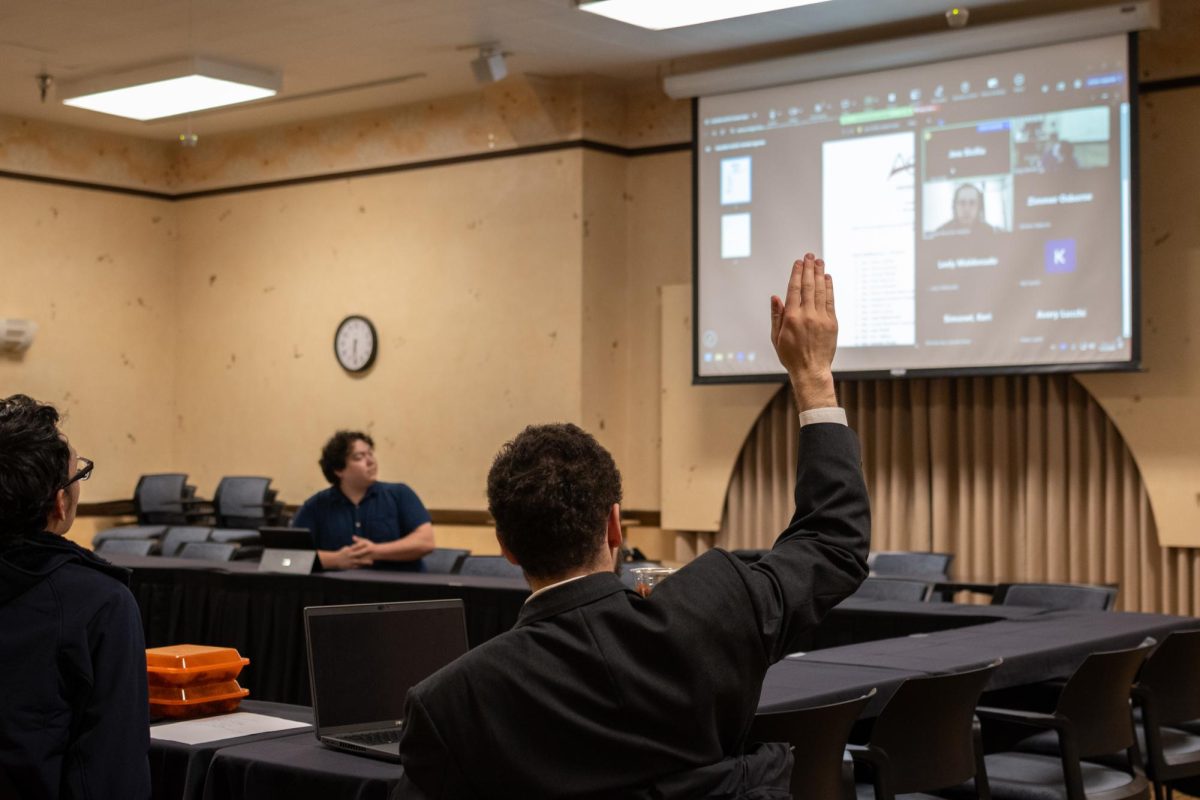










































































Candidates for the Associated Students of Oregon State University Student Fee Committee chair outlined their plans to address student fee allocations in a debate Thursday night.
Topics included ASOSU’s transparency, connection with students and resource allocation, among other things.
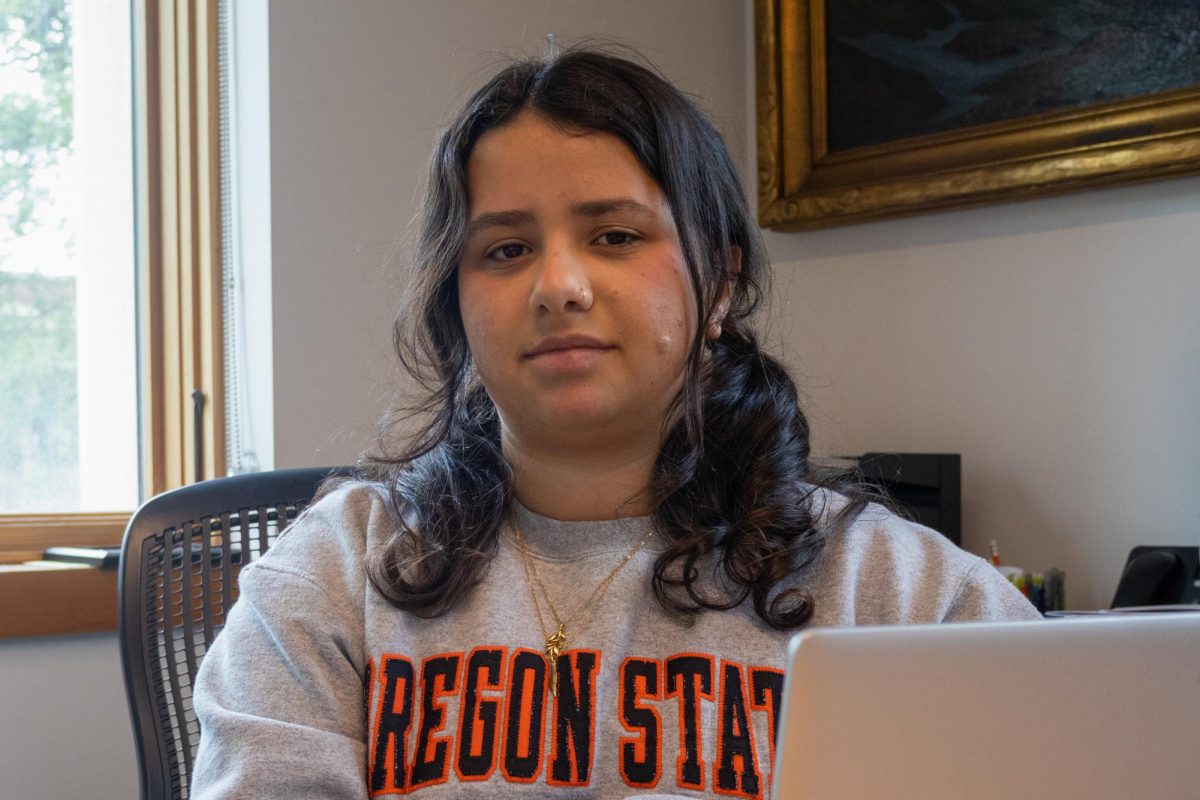
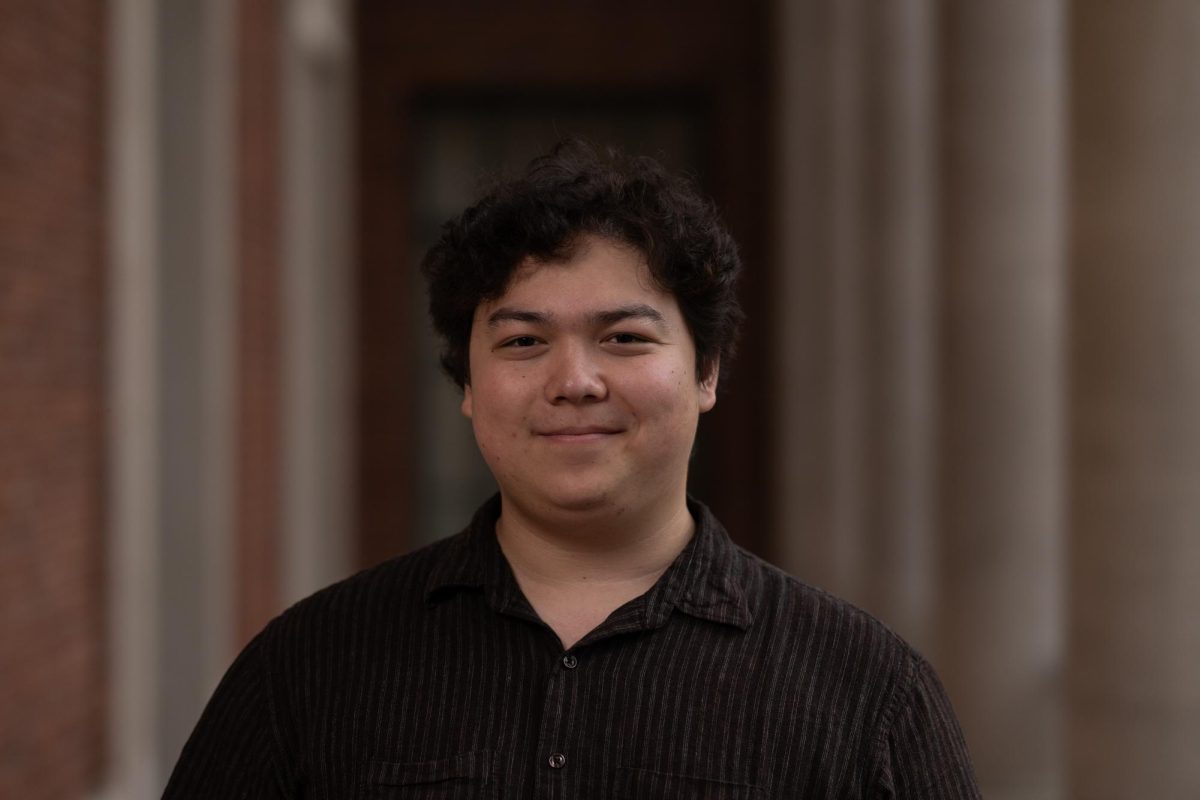
The debate started with a dialogue between SFC chair candidates Rida Khan and Abd Ullah. Of the nine candidates running for the chair position, Khan and Ullah were the only ones present at the debate.
A primary responsibility of the SFC chair is to allocate student fees across various OSU programs. When asked how they would approach allocating fees, Khan was the first to answer.
Khan, a current member of the ASOSU Student Advisory Board, said she would fund programs that were popular among students — despite her own biases — and wants to support programs that prioritize student wellbeing.
“I just want to support things that promote student safety and student belonging first … I think that’s just my baseline,” Khan said.
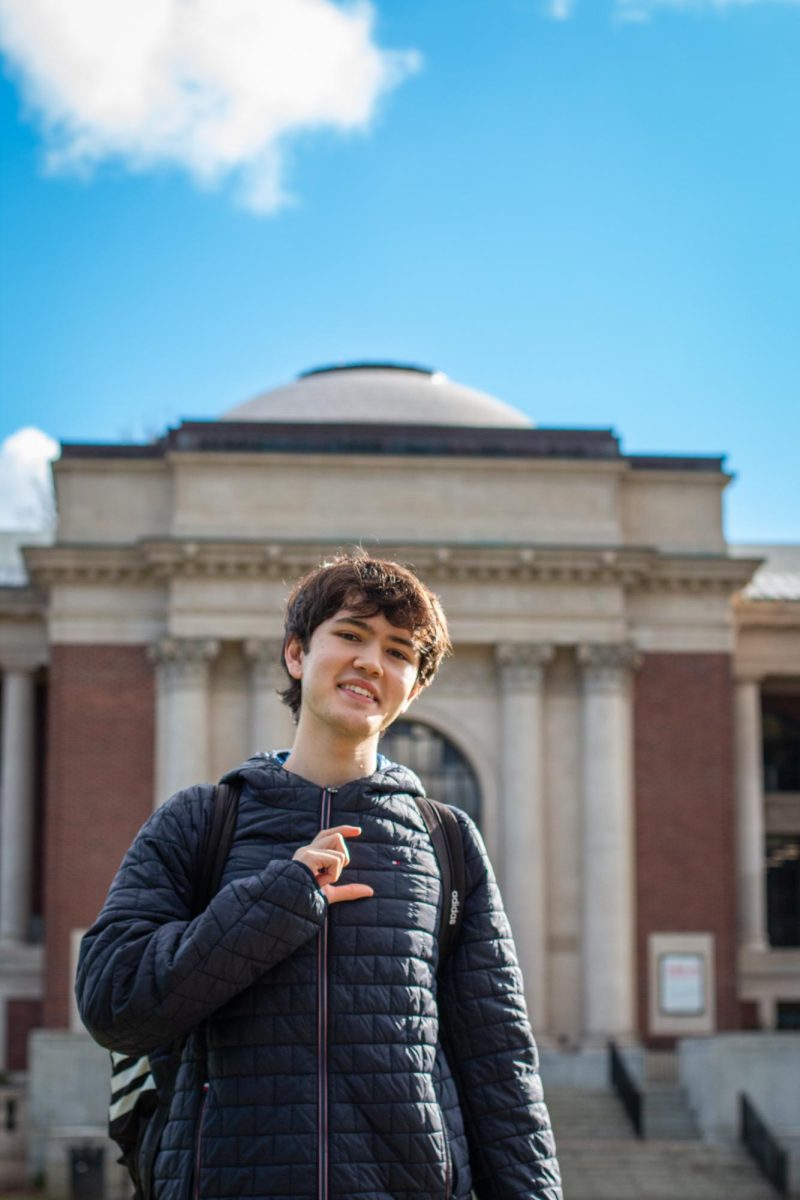
This was followed by Ullah — a writer for The Daily Barometer and international student at OSU — who spoke on wanting to be transparent about where fees are going.
“I really believe that students should know that what they’re giving to the college is justified,” Ullah said.
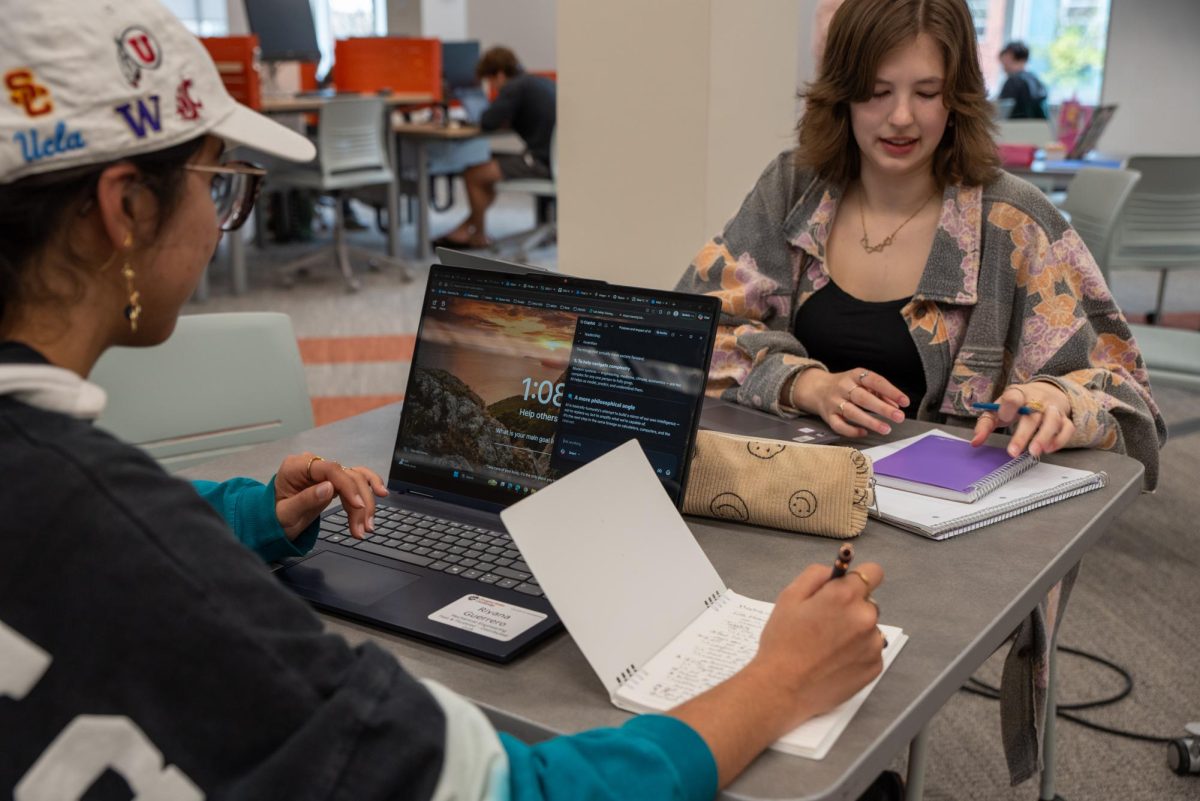
Candidates were also asked how they would address low student awareness of ASOSU. Voter turnout in recent elections has been low, and many students remain unfamiliar with ASOSU’s role at Oregon State.
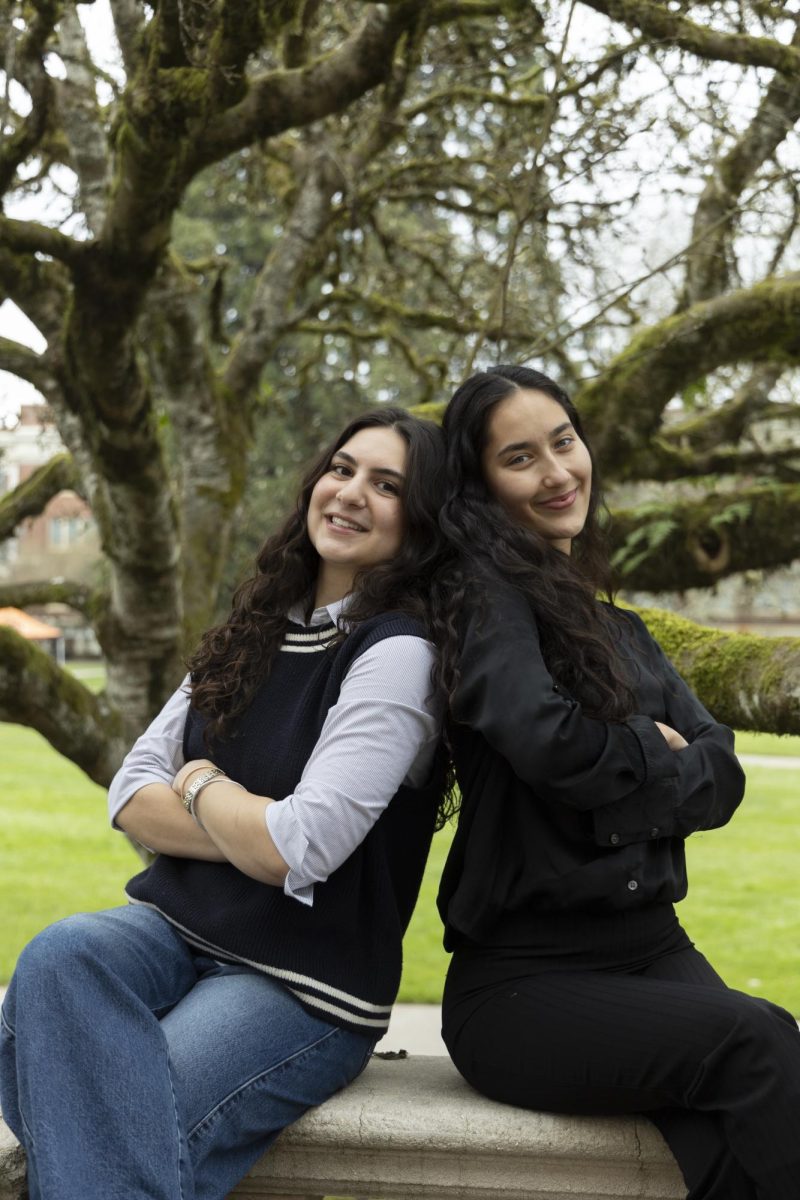
In an ongoing effort to bridge the gap between students and the ASOSU, each ticket was asked how they planned to further connect with the student body.
Ullah answered first when addressing the issue of students being unaware of the ASOSU and said, “The main goal here is to educate them (the student body), to inform them what this position is, and what they will be getting from it.”
Khan followed and related her experience of being unaware — until recently — that the Memorial Union and cultural centers were fee-funded. She then noted that there are already public forums which students can join to learn about the ASOSU.
“There are already events that do address how to get involved in this, what ASOSU does, and I think the best way is just to make our services as best as we can to make sure that students go to them,” Khan said.
To close the SFC chair debate, both tickets were given a hypothetical scenario. In which, if they were given $1 million, where would they allocate it?
Ullah took the position of prioritizing clubs, and highlighted clubs for students who are minorities. If he could, he would also allocate the hypothetical funds toward mental health programs like Counseling & Psychological Services.
“If I’m able to give such students recognition, who obviously are in a minority here, (I) believe that they should be recognized because everyone here has an equal say,” Ullah said.
Khan explained that she would take the hypothetical funds and use them to go back and fix issues opened by previous budget decisions and shifts. She also agreed with Ullah’s idea of putting more money into clubs and student organizations.
The ASOSU ballot opens on Feb. 23 and closes March 6. Students can expect an email with the ballot link the day voting begins.
A full list of candidates for all positions can be found on the ASOSU elections webpage.