

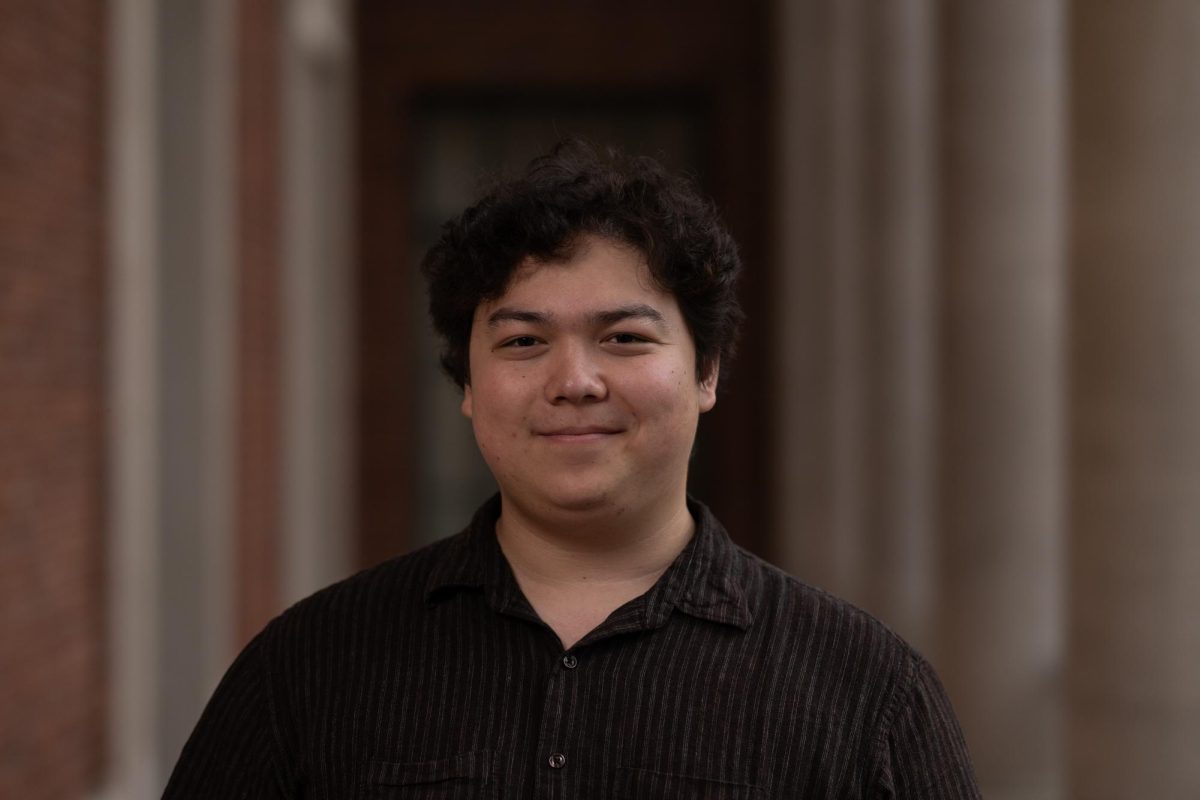
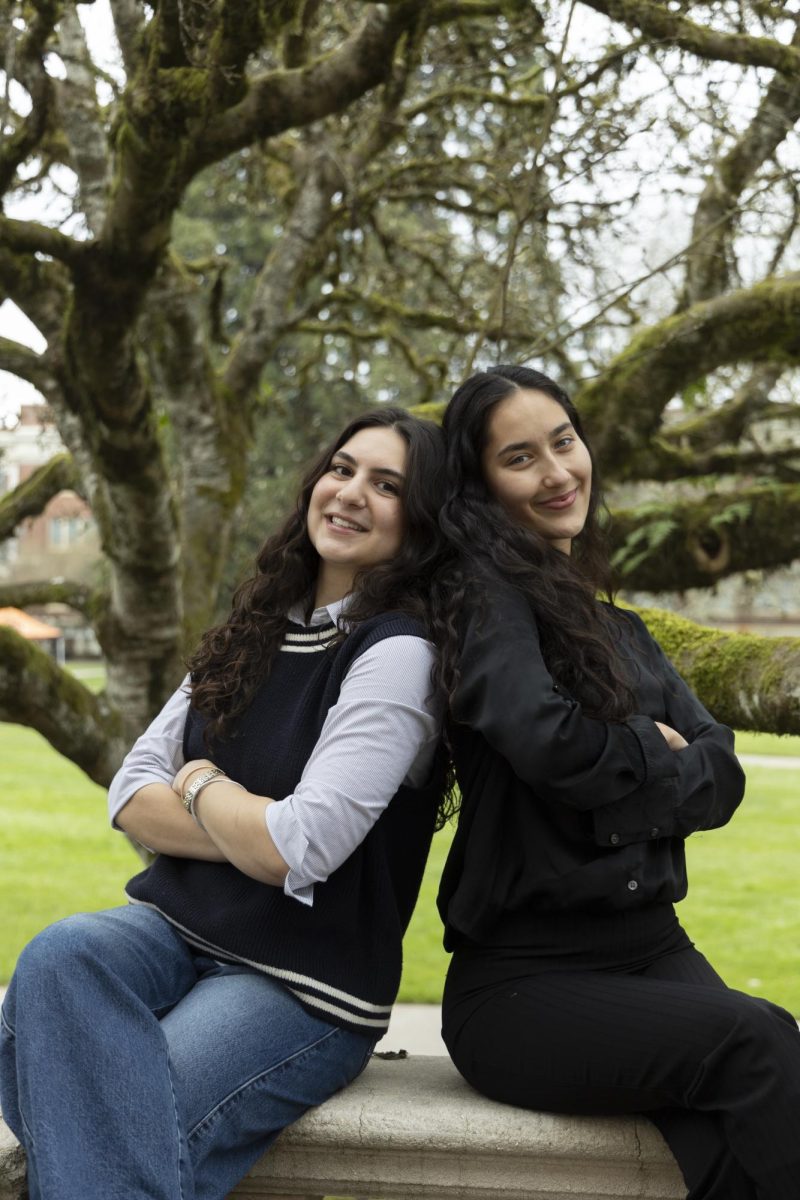
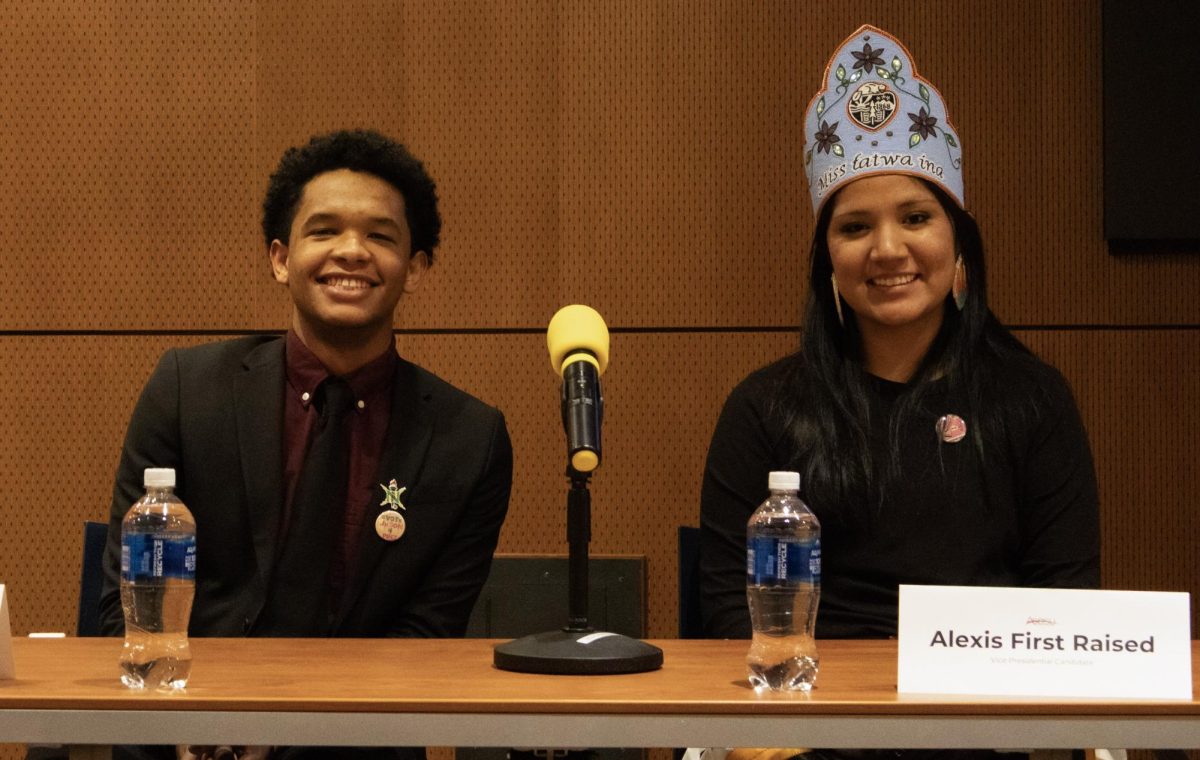








































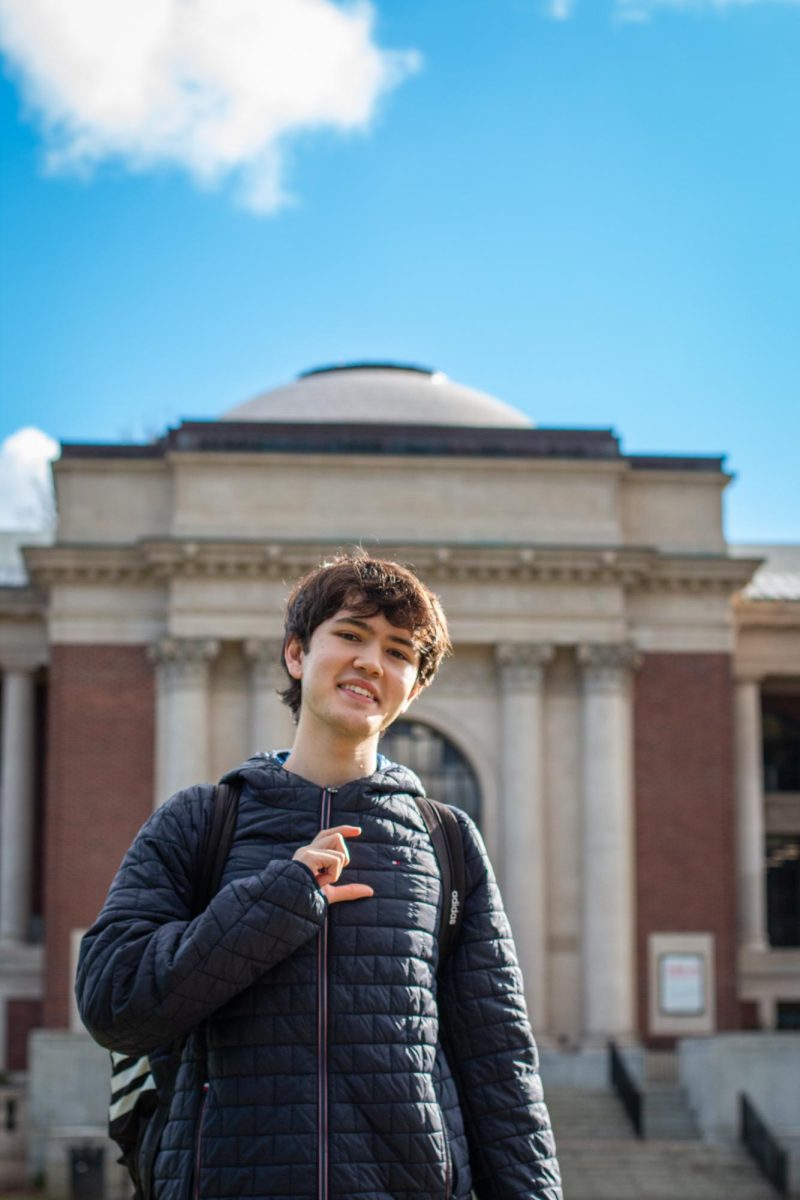
















As the 2026 Associated Students of Oregon State University elections approach, presidential candidate Muhammad Ali Badar Bajwa and vice-presidential candidate Jasdip Singh are campaigning on a platform centered on student empowerment.
Their aim is to become the “missing link” between the student government and the student body.
Bajwa is a sophomore majoring in computer science, and Singh is a third-year student majoring in communication and business administration — both have also done work for The Daily Barometer.
The two are active in the campus organizations: Bajwa serves as treasurer for the Pakistan Student Association, while Singh is president of the International Student Association Club.
The candidates decided to run after noticing, what they viewed as, a lack of engagement from the student government over the past year. Singh said he saw “no action or engagement by ASOSU,” which motivated the duo to pursue the organization’s highest leadership roles.
According to the ticket, if elected, their first 100 days would prioritize visibility through a series of tabling events designed to facilitate direct contact with students. The events are intended to help ASOSU address student concerns and provide resources ranging from legal advice to civic advocacy.
“Students should be aware that ASOSU is present for (them) and it (exists) for the students,” Bajwa said.
The candidates hope to move beyond the confines of an office and meet students where they are on campus.
Beyond transparency, Bajwa said he would like to explore a dining pilot program aimed at reducing food costs for the university community. While not an official campaign promise, the proposal would examine the feasibility of a buffet-style system to replace a traditional dining center.
Addressing the allocation of student fees, the ticket identified mental health awareness as an area they believe is currently under-resourced.
“Mental health is (a top priority) in our OSU community, and it should be given more funds,” Bajwa said.
On the topic of student labor, Bajwa acknowledged that increasing wages is difficult due to recent budget cuts within the university administration. As an alternative, Singh suggested exploring an increase in the total number of hours students are permitted to work on campus.
Representing a diverse ticket, Bajwa and Singh emphasized that their focus is on individual action rather than religious or ethnic identity.
“We should not judge anyone (by) religion or … ethnic background,” Bajwa said.
For students who have never participated in an ASOSU election, the candidates framed voting as a civic responsibility.
“It’s your responsibility, it’s your duty, and it’s your right — you should be aware of that right and use it wisely,” Singh said.
Bajwa echoed Singh’s comments and said, “It’s not about us — it’s about them,” adding that leaders chosen now will represent the student voice for the entire year.
The ticket hopes their efforts will lead to a more connected and satisfied campus community.
“We want to see (students’) happy faces; it will tell us that we are doing good,” Bajwa said.