
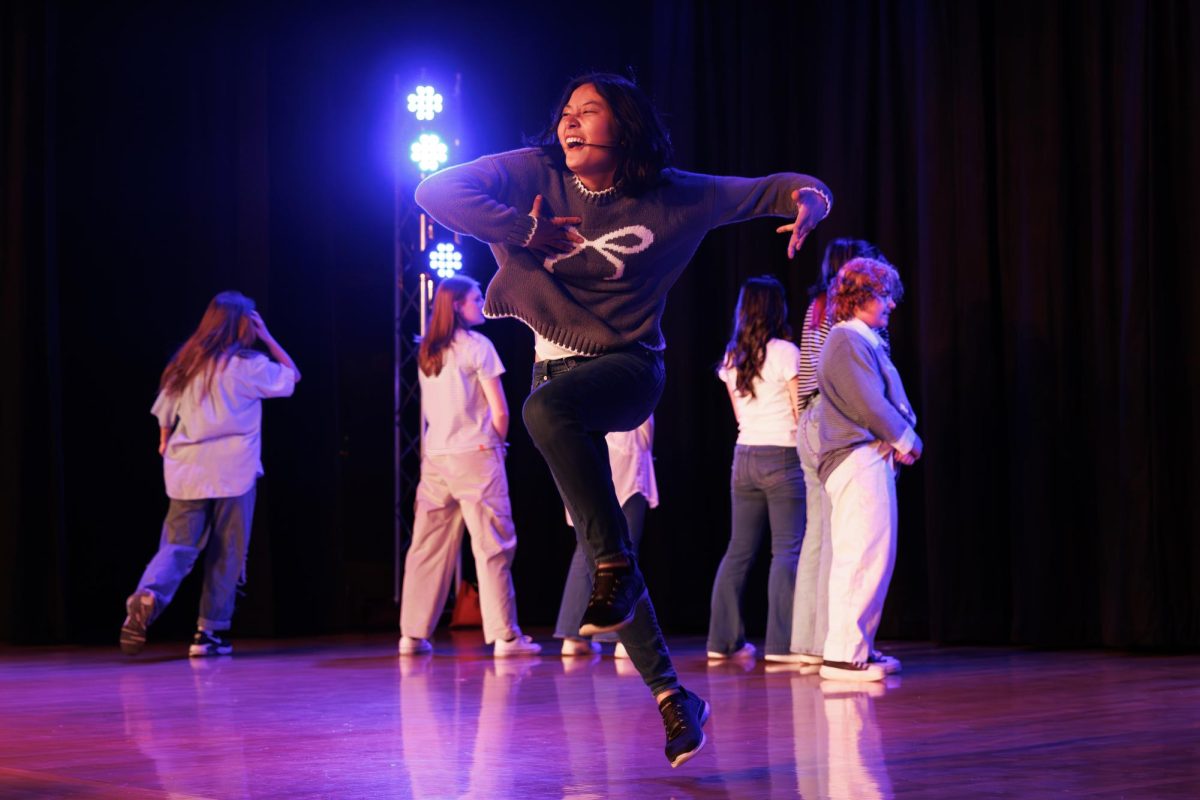


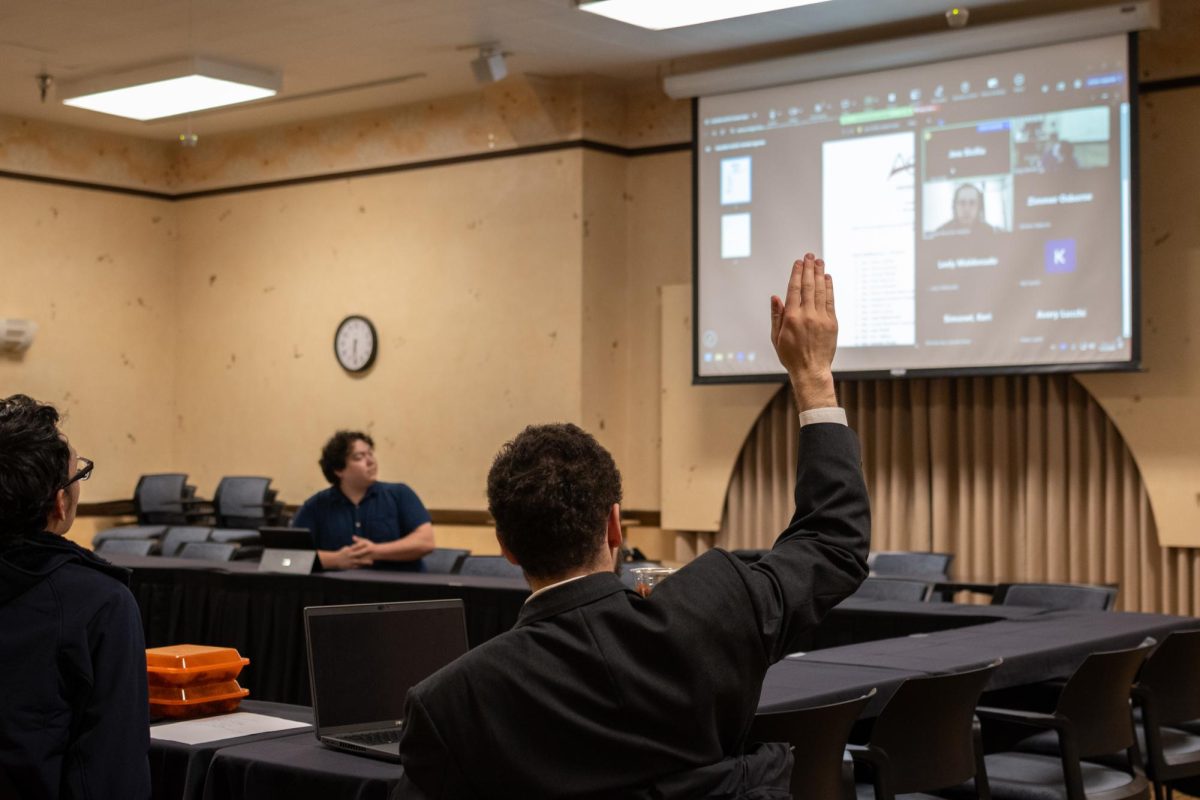








































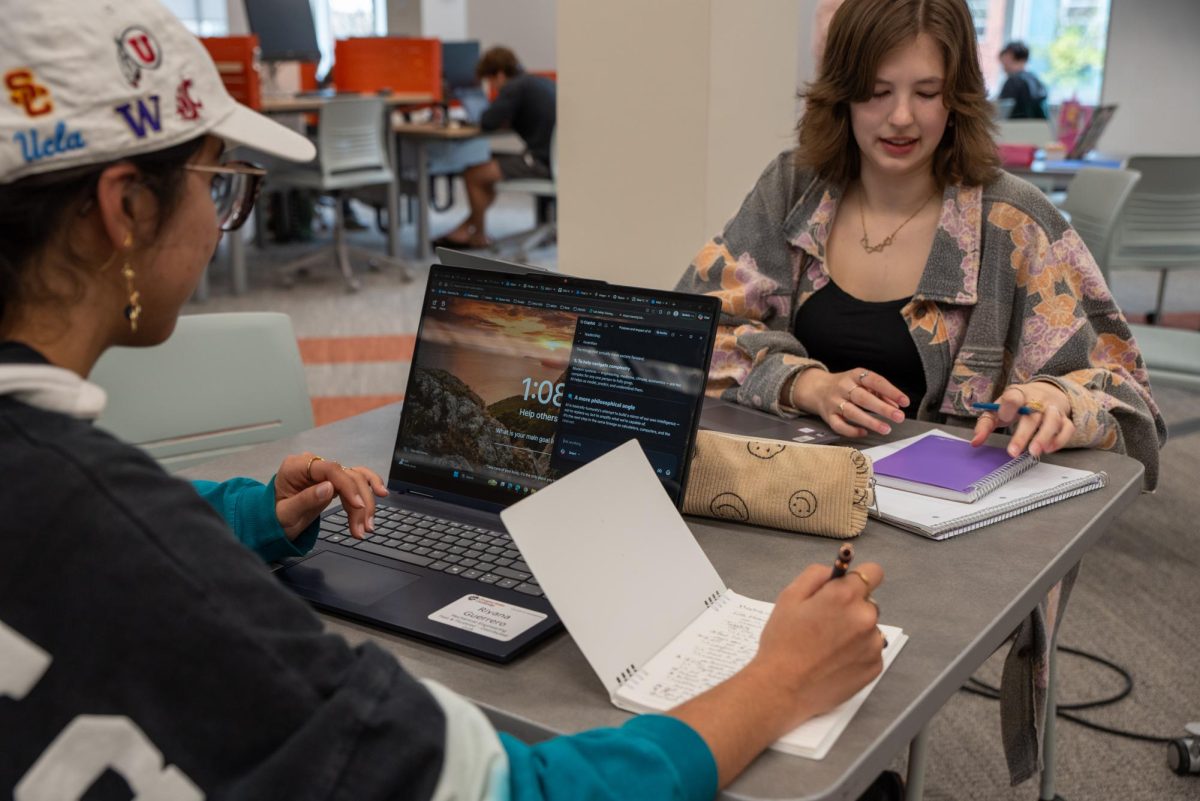
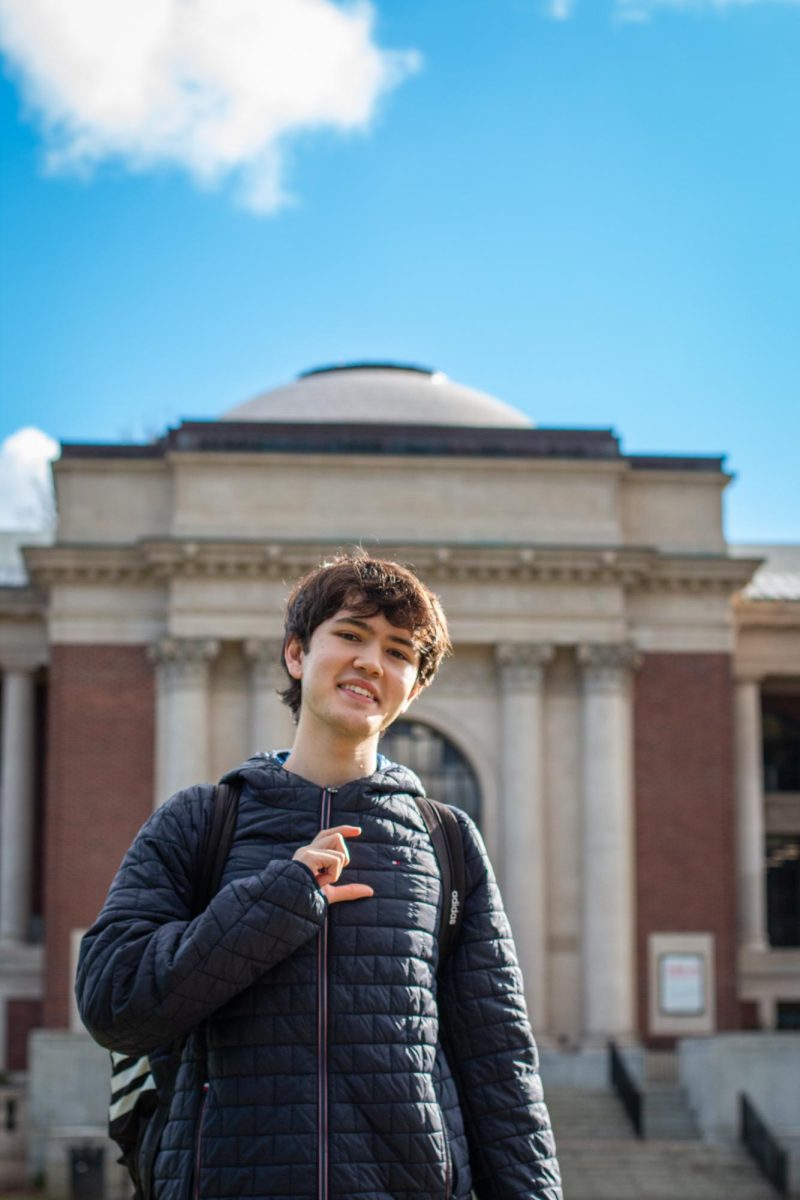






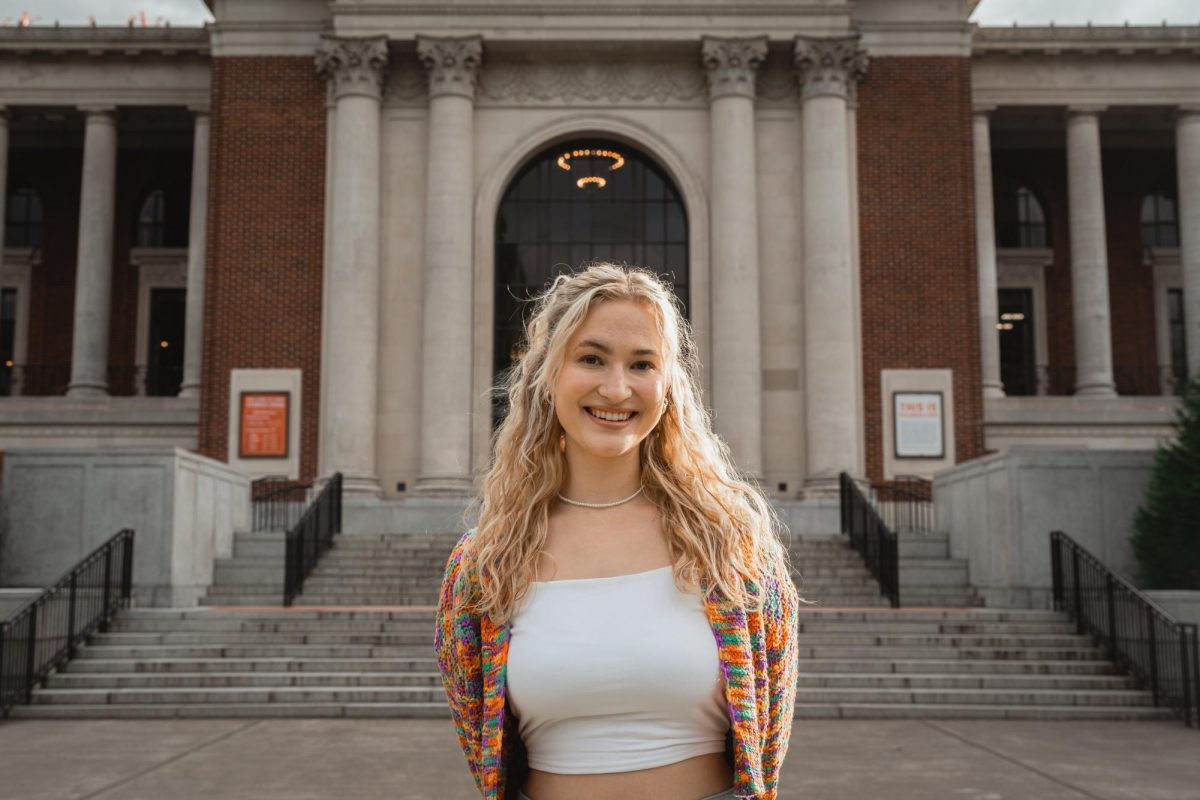






Students of Oregon State University convened in the Memorial Union for the third annual Peer Health Summit on Saturday.
Organized by the Student Health Advisory Board, the conference offered students a free opportunity to attend workshops of their choice. The variety of topics included overdose prevention, contraceptive care, CPR and insurance billing for student health services.
SHAB is a volunteer board composed of students and serves as a link between the student body and Student Health Services.

This is the first year that the conference was open to all students. In previous years, the summit focused on connecting members of various health clubs on campus with one another.
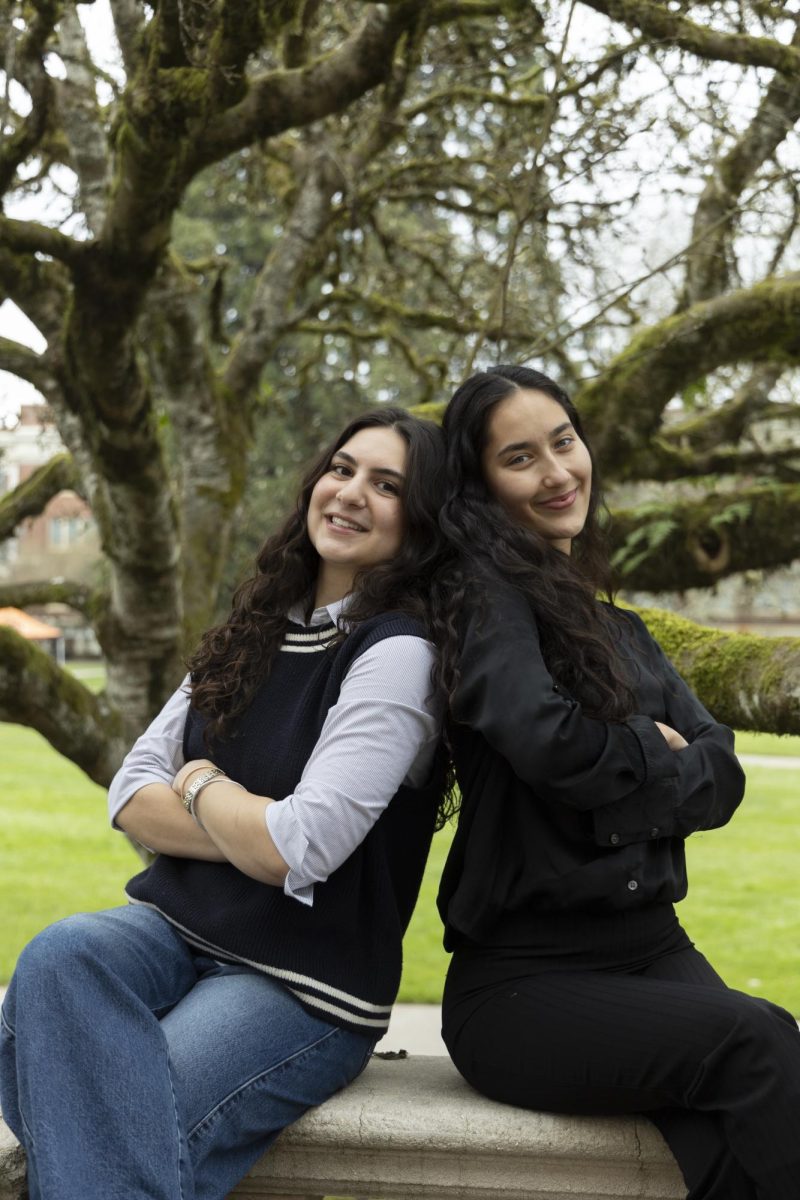
“This event has looked very differently in the past, and we decided to do this in this format in order to help engage students more,” said Shravya Vellanki, fourth year biohealth sciences major and co-chair of SHAB.
Vellanki said the main objective of the summit was for students to “go away feeling more informed about their health choices on campus and some of the resources they have.”
Presenters included a mix of students, OSU staff and healthcare professionals from outside the university.
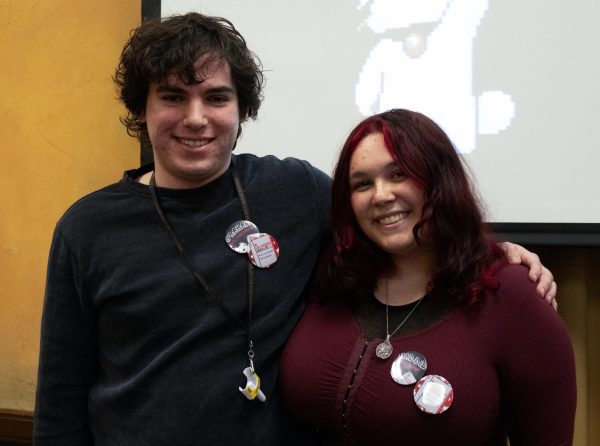
Among some public health initiatives, President of the End Overdose chapter at OSU Maddie Dominguez and Vice President Graham Brown presented on the use of naloxone and fentanyl test strips, which were also handed out to attendees. According to the presentation, the most important thing to do when encountering an overdose situation, is to call emergency services as naloxone’s effects are only temporary.

Dominguez founded the chapter of the national nonprofit in fall 2024. They focus on tabling around campus and at concerts, as well as doing naloxone training with fraternities and sororities.
“A lot of people didn’t really know what narcan or naloxone was in my life at least, before I was personally affected by it,” Dominguez said. “So, I wanted to bring something like that here, especially when I found out that we didn’t have any harm reduction in this type of aspect on campus.”
Other presenters focused on connecting students with university health care resources, like Student Health Services and the Center for Advocacy, Prevention and Education.
According to their website, “CAPE aims to create lasting social change and eliminate gender based violence through shared goals of comprehensive sexual health education, action-oriented prevention and compassionate survivor support” and provides “survivor-centered care” for those who are victims of gender based violence.
Jocelyn Kerr, a confidential advocate from CAPE, presented on trauma-informed care. Her talk focused on what CAPE does, but also on how to talk to survivors of gender-based violence as a student peer.
“Start by believing. That’s it,” Kerr said. “That’s the key — just opening this conversation.”
The talk was one of the highlights for Makena Spanks, a first year biology major who is interested in health careers.
“Trauma informed care and talking about harmful and healthy eating … Just being more aware, I feel like it affects how you talk about it the more you learn about that and how you engage in certain conversations,” Spanks said.
Students also got the opportunity to participate in two introductory first aid trainings, Stop the Bleed and CPR, led by Oregon Pacific Area Health Education Center.
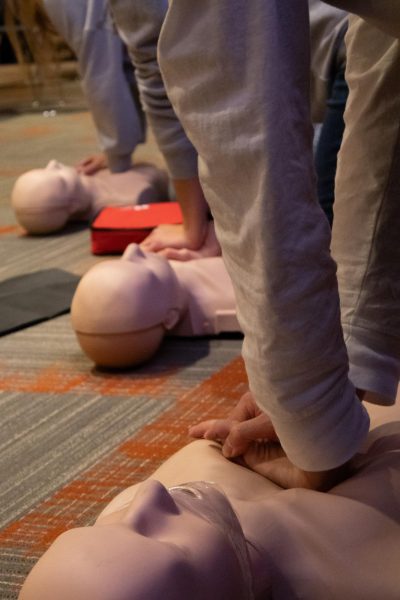
The health education center is hosted by Samaritan Lebanon Community Hospital, and provides health education at the high school and university levels in nine counties across western Oregon.
Jaimie Montgomery, EMT and director of the health education center; and Education Coordinator Raande Sharp, taught participants how to pack wounds with gauze, along with the basics of CPR and using Automated External Defibrillators.
“If you’ve never done a chest compression, or even turned on, or listened to an AED; now you understand a little bit,” Montgomery said. “You learned something today. Just know that you are always going to be able to learn new skills, even if it’s only for 25 minutes. You’re going to walk away with skills you didn’t have and you can do that every single day.”
For those interested in getting involved with SHAB, visit studenthealth.oregonstate.edu.