









































































After 30 years of having the Baccalaureate Core as Oregon State’s general education program, they are launching a new program this summer, Core Education. A major change compared to the Bacc Core is the absence of a health and fitness requirement.
“Important content identified from HHS 231, the current Bacc Core health lecture component of the requirement, is embedded in OSU’s new First-Year Experience course, Transitions, which all new students take in their first term at OSU,” said McKenzie Huber, the Director of Core Education.
According to Huber, Transitions is an evidence-based, high-impact practice that is shown to have significant educational benefits for students.
“Students will benefit from Transitions curriculum centered on mental health, healthy behaviors, fostering inclusive community and a sense of belonging, financial literacy, student success tools and resources, goal setting, and career development,” said Huber.
Transitions is a two-credit class which, according to the OSU Schedule of Classes website, “Supports students beginning their Oregon State journey by introducing them to the university’s mission and goals, sharing the tools and resources it offers its students, and assisting students in developing strategies for their personal and academic success and well-being.”
Starting this summer, all incoming undergraduate students will be placed into the new Core Education program. This includes first-year and transfer students studying in Corvallis, Cascades and through Ecampus.
Huber also mentioned that students who were admitted to OSU under catalogs that require Bacc Core will complete that set of general education requirements, unless they opt into changing their general education requirements to Core Education.
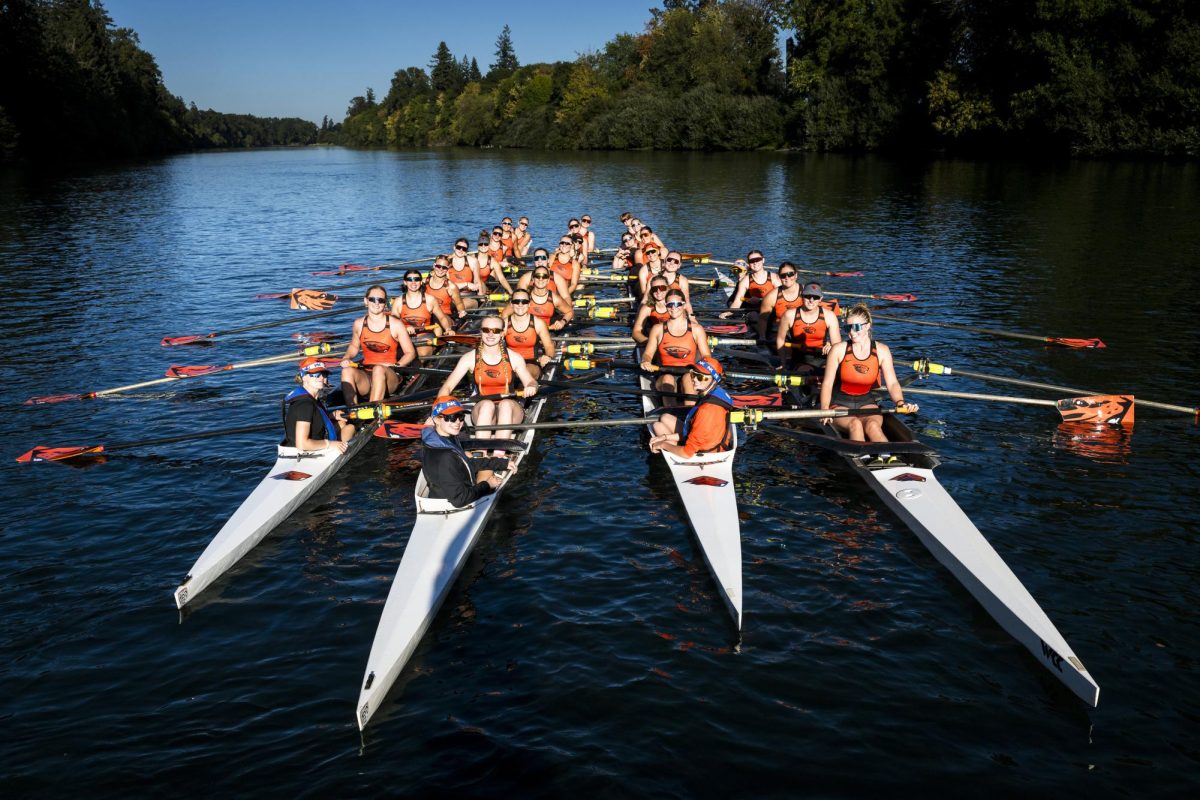
According to Huber, students can still take up to 11 credits of physical activity classes to apply towards degree requirements.
Huber said that core education was designed to meet the needs of transfer students. “Eight courses in the Foundational Core within Core education can be completed at an Oregon Community College through Oregon’s Core Transfer Map (CTM).”
“The CTM is a state-level transfer initiative, developed by legislators, to strengthen pathways between public universities and community colleges and honor prior earned transfer credit. Of note, the CTM does not include the health and fitness requirement,” said Huber
Transfer students make up approximately 34 percent of OSU’s undergraduate population, according to Huber, and the university anticipates this number to increase.
“OSU is really excited about Core Education. Faculty have worked tirelessly to design and redesign courses in support of student learning outcomes and the mission and goals of Core Education,” said Huber.