



























































































Oregon State University faces the challenges of ongoing enrollment growth.
For the 29th consecutive year, OSU has a high likelihood of experiencing an increase in enrollment similar to that of the 2024-2025 academic year, which had an increase of 3.5% in total enrollment.
This growth is not merely coincidental but is in fact due to a larger strategic plan laid out by the university. According to the Office of Admissions Management, “The university has set clear goals to expand access to education, especially through online programs and at OSU-Cascades.”
To maintain the quality of the student experience, AM states that “OSU is taking several steps to ensure the student experience remains strong.”
Some examples of these efforts are outlined in the strategic plan called “Prosperity Widely Shared, The Oregon State Plan,” and include exploring opportunities to leverage and expand needs-based scholarships and emergency completion grants to reduce financial stress.
Additionally, another dorm will be built by 2027 to support the demand for first-year, on-campus housing as well as meeting the goal set by University Housing and Dining Services to increase campus housing from 5,000 beds to 7,500 beds over ten years.
UHDS is the on campus entity charged with the responsibility of the student dining and housing experience. Their mission statement states that they seek to “provide a transformative on-campus experience that will engage students in community, enrich their lives, and help them flourish and thrive.”
However, an increase in students means more people for UHDS to accommodate each day. As they begin to prepare for the eagerly awaited move-in weekend, incoming students begin to question what the university’s plan is to equally and effectively house on campus students.
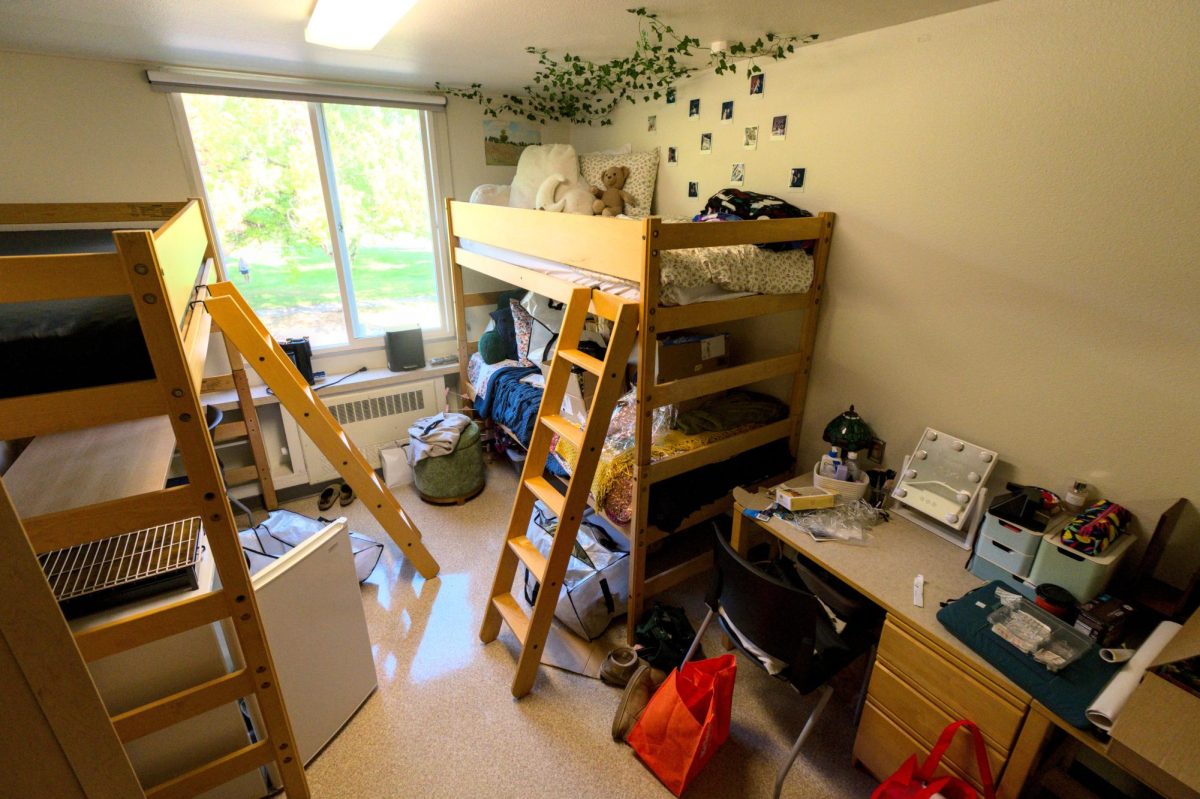
Dominic Schapell is a fourth-year transfer student who currently resides on campus. He has lived in on-campus housing for the entirety of his time at Oregon State and appreciates that the housing is cheaper and more accessible than off-campus apartments or houses.
After living in multiple halls across campus such as Halsell, Callahan and the International Living-Learning Center, Schapell has had many experiences with the university’s roommate matching system. He said the system consists of a questionnaire to be filled out by the prospective roommate.
When roommates are matched, they are given each other’s responses to the questionnaire, as well as the other’s email. In Schapell’s experience, emailing his roommates before moving in failed to efficiently connect the pairs which led to a strained experience.
Schapell remarks that his experience was less than ideal. After requesting a single for the sake of privacy, he was assigned a suite-style room in a four-bedroom apartment-style dorm.
He said that he knew he needed to make friends and put himself out there and decided to give it a try. Unfortunately, his experience was unremarkable following this decision to branch out, given that his roommates struggled to find common ground and the conversation between the group was tense.
Following this experience, Schapell moved out and transferred into a double dorm in the International Living-Learning Center. He recalled that it was an awkward experience saying, “We didn’t get to know each other very well; we didn’t talk beforehand.”
According to Schapell, he is now satisfied with his on-campus living experience, as he now lives alone as originally requested.
UHDS Director of Operations and Facilities, Brian Stroup, said the university is “committed to housing every first-year student that is required to live on campus and does plan to house as many transfers and second year and above that we (the university) have spaces set aside for.”
For dining services, UHDS Director of Campus Dining and Catering, Kerry Paterson, said, “UHDS will continue to monitor the enrollment numbers and housing contracts situation to ensure that food service matches these figures.” Paterson continued, “we constantly adjust hours, staff levels and offerings to ensure our resident students and guests have access to healthy and nutritious food.”
On whether or not any changes have been made to the current housing registration system, Brian Stroup said that it ”has and will continue to remain the same.”
To learn more about OSU’s plan to accommodate on-campus student life, find the Prosperity Widely Shared initiatives on the OSU Leadership website.