












































The tea is piping hot, and demand for both hot and iced matcha teas puts supply at risk.
In addition to a global matcha shortage, Executive Order 14257, signed April 2, implemented tariffs on imports from various countries. This includes a 34% tariff on China and a 24% tariff on Japan, the two largest matcha suppliers in the world.
Since April, the United States has made a deal with Japan to decrease tariffs to 15% in exchange for a $550 billion investment. This tariff came into effect Sept. 8.
Currently, University Housing and Dining Services locations that serve espresso-style beverages, including JavaStop, Java II, Raintree Coffee Co., and Every Bean’s a Good Bean, all offer a matcha option.
UHDS usually purchases matcha from MatchaOutlet.com, with certain exceptions based on dining location, according to Kerry Paterson, the director of Campus Dining and Catering. Matcha Outlet is a vendor based in Illinois. It sources its products from both China and Japan.
According to Paterson, tariffs have not impacted the availability of matcha on campus so far.
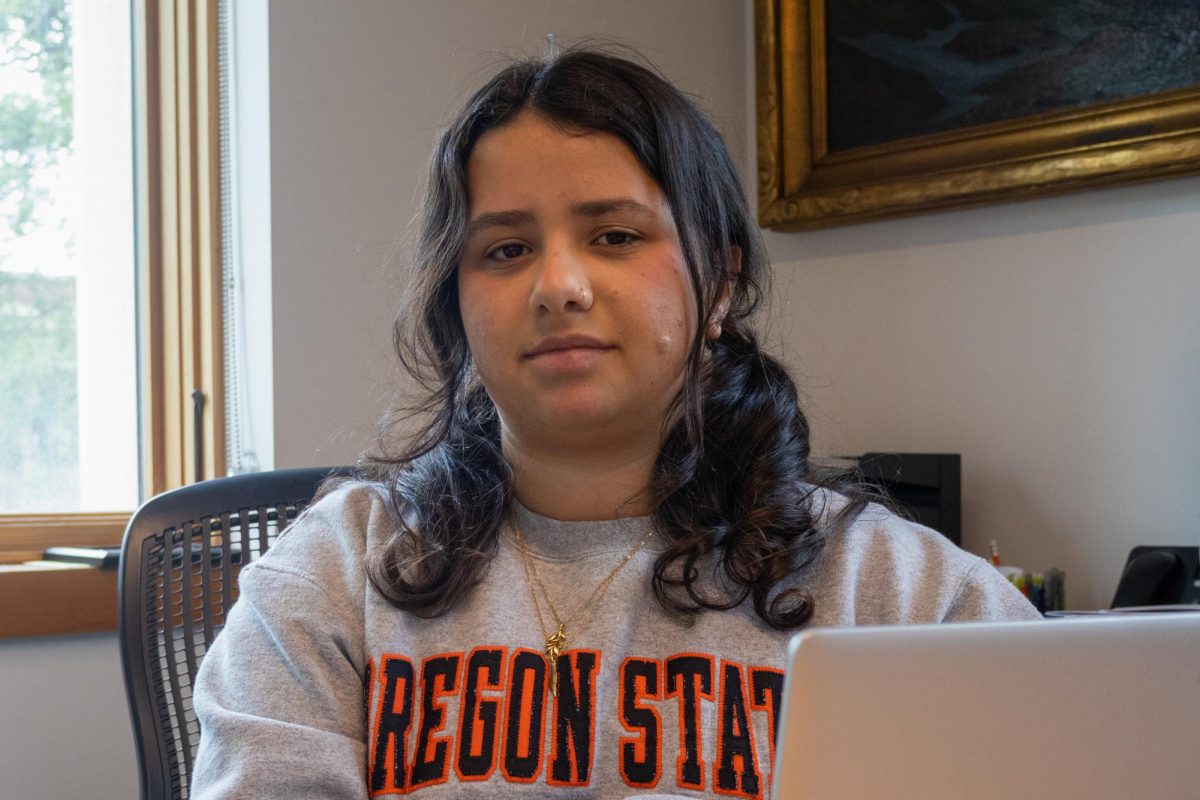
Michelle Montán, a barista who works at Trader Bing’s in Austin Hall as well as Java Stop in the Memorial Union, said there was at least a couple of weeks this past spring term during which they were all out of matcha.
Montán said that matcha is commonly ordered more than both normal and seasonal drinks.
Taylor Walker, a second-year ecological engineering student, would frequently order matcha at least once a week and also recalls a shortage during this time.
Walker said she prefers ordering matcha because “it’s a happy medium between coffee and herbal tea, where I can get some caffeine but not enough to make me super jittery and anxious like coffee does.”
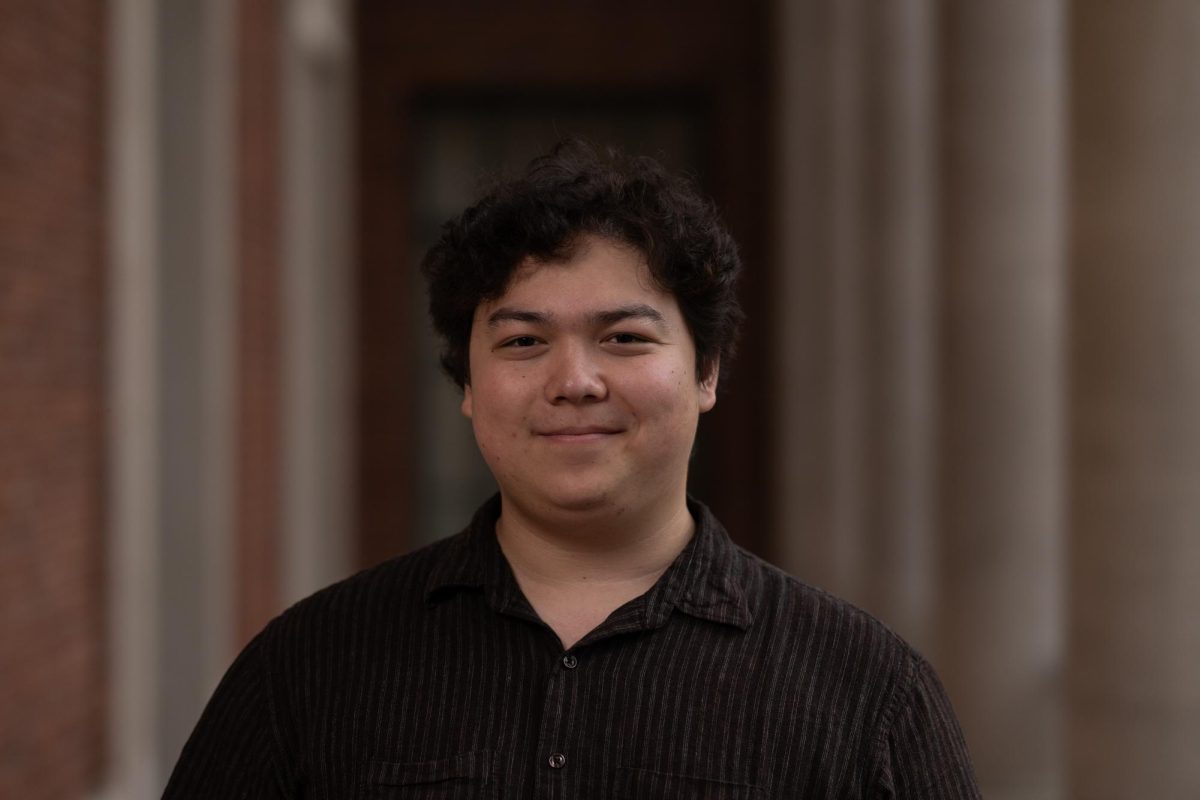
Brian Riesgaard, the Oregon State University dairy pilot plant manager who helps create the flavors for OSU’s Beaver Classic Creamery, says the creamery sources matcha for their matcha-flavored ice cream from Naturebell on Amazon.
“The price has gone up, but we will probably continue to make the flavor unless the shortage gets worse,” Riesgaard said.
Although there has been a slight increase in matcha costs for UHDS, they have been able to keep the prices mostly the same in dining halls, with only minor adjustments.
Paterson confirmed that the matcha shortage on the OSU campus this past spring term was due to UHDS’s vendor only being able to ship a limited amount of product to them at the time.
“Looking ahead, matcha pricing will be reviewed and addressed as we place future orders and adjusted in our locations if needed,” Paterson said.