


































































































Editor’s note: This article has been updated to reflect corrections provided by the Basic Needs Center.
Financial aid options are a dime a dozen, including loans, scholarships and grant opportunities.
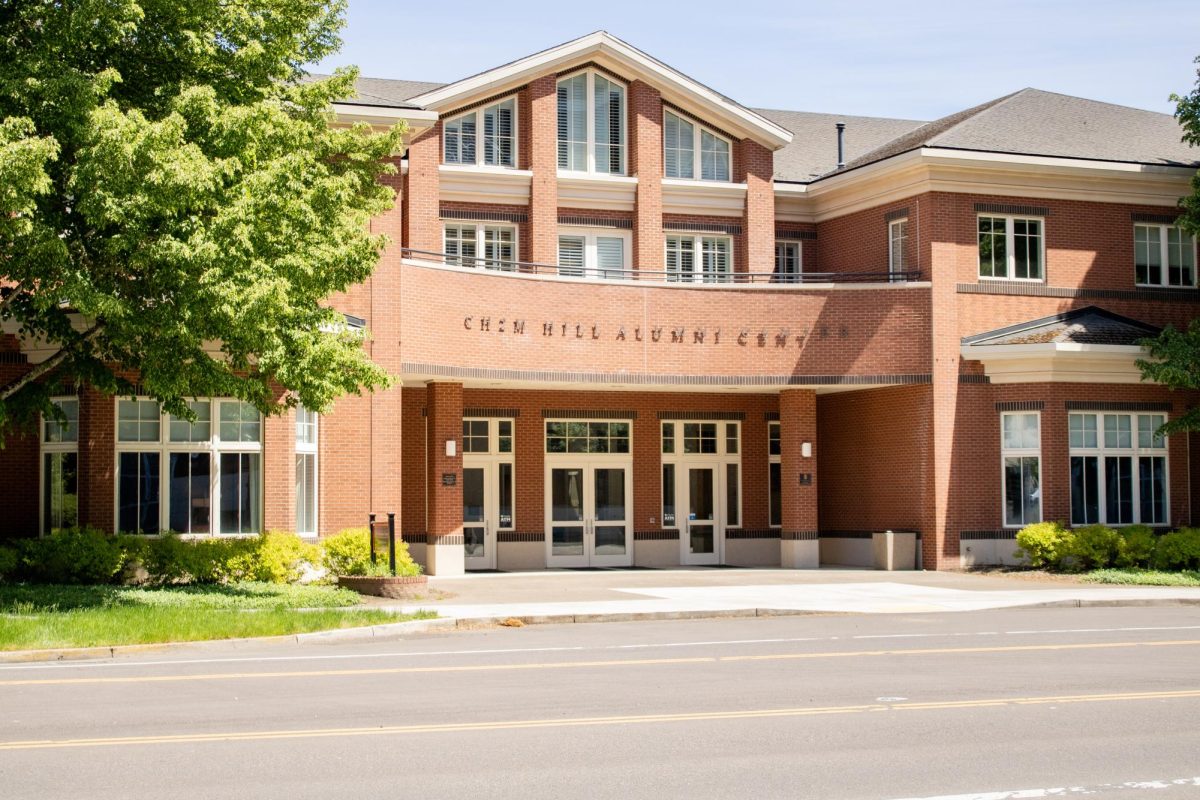
The many choices can be navigated with assistance from Oregon State University departments that are dedicated to assisting students with these options and enhancing financial literacy, including the Office of Financial Aid and the Basic Needs Center.
Financial aid is generally disbursed on the week prior to a term starting. Veteran’s aid, Resident Assistant stipends, employee benefits and other aid can take a little longer to process.
The Free Application for Federal Student Aid for the 2026-2027 academic year opened Sept. 24. Their website encourages students to apply as early as possible as aid and grants, such as the Oregon Opportunity Grant, are awarded until funds run out.
OSU has its own priority deadline for FAFSA on Feb. 28, but recommends submitting as soon as possible.
You can submit a FAFSA application up until the deadline on June 30, 2026 at 11:59 p.m. through studentaid.gov. Filling out a FAFSA form is required to receive a financial aid offer from OSU.
Aid offers for the following academic year are tentatively created in March for incoming students and in April or May for returning students.
Scholarships are another form of aid: variable amounts of money that you don’t need to pay back based on criteria like academic merit, program or special skills and abilities.
Scholar Dollars is the OSU scholarship website available through the scholarship office page.
Emory Spence, student success and outreach coordinator for the Office of the Registrar, said the site is great to begin looking for scholarships, “but you’re probably going to need to do more than just those to find a lot of different scholarship opportunities.”
Grants are like scholarships, but are awarded on a need-based system. Some, like the Oregon Opportunity Grant, are available through FAFSA and are offered automatically if you’re approved.
Scholarships and grants can be automatically applied in some cases, but it is important to log into your financial aid portal to accept them.
Loans, unlike scholarships and grants, need to be repaid. There are many types, but the main ones are federal and private loans.
Subsidized and unsubsidized loans are the major two types of federal loans. The interest on subsidized loans is held off until graduation, while unsubsidized loans add interest for your college duration.
Federal loans now have a lifetime cap for borrowing, with a total cap of around $31k, of which $23k is for subsidized loans. This amount applies to dependent undergraduate students and varies for other types of students.
Consolidating loans into one borrowed amount can get around this cap, though interest rates may be altered. Federal loans have predictable interest rates that eases the process for borrowers to estimate what they’ll owe.
PLUS loans are another type of federal loan, among which there are two main types: parent PLUS loans and graduate PLUS loans. These don’t have a cap, but have a higher interest rate.
Parent PLUS loans are taken out by the legal guardian of the student attending college in undergrad, while the graduate PLUS loans are for graduate students.
Private student loans and their interest rates depend on the lender, and in general offer less protections than their federal counterparts for consistent interest rates.
The Basic Needs Center offers peer coordinators to help students budget, along with a food pantry and many weekly events to help students fill in gaps in their necessity costs.
The scholarship office on campus can be helpful if you don’t know how to apply for scholarships, where to find them or general advice.
For more information on aid, contact the Office of Financial Aid at [email protected] (541) 737-2241, or for budgeting help, contact the BNC at [email protected] (541) 737-3747.