

























































Shab-e Yalda, or Yalda night, is one of Iran’s oldest and most cherished celebrations, where families stay awake together and share fruits like pomegranates and watermelon, read poetry and welcome the promise of longer and brighter days.
On November 22nd, the Iranian Student Association hosted “Yalda Night” to celebrate Shab-e Yalda, and the details at their event were mesmerizing, with tables decorated with their traditional pomegranate fruits. This was a chance for the Iranian students and families at OSU to have a cultural reunion and celebrate identity, memory and shared heritage.
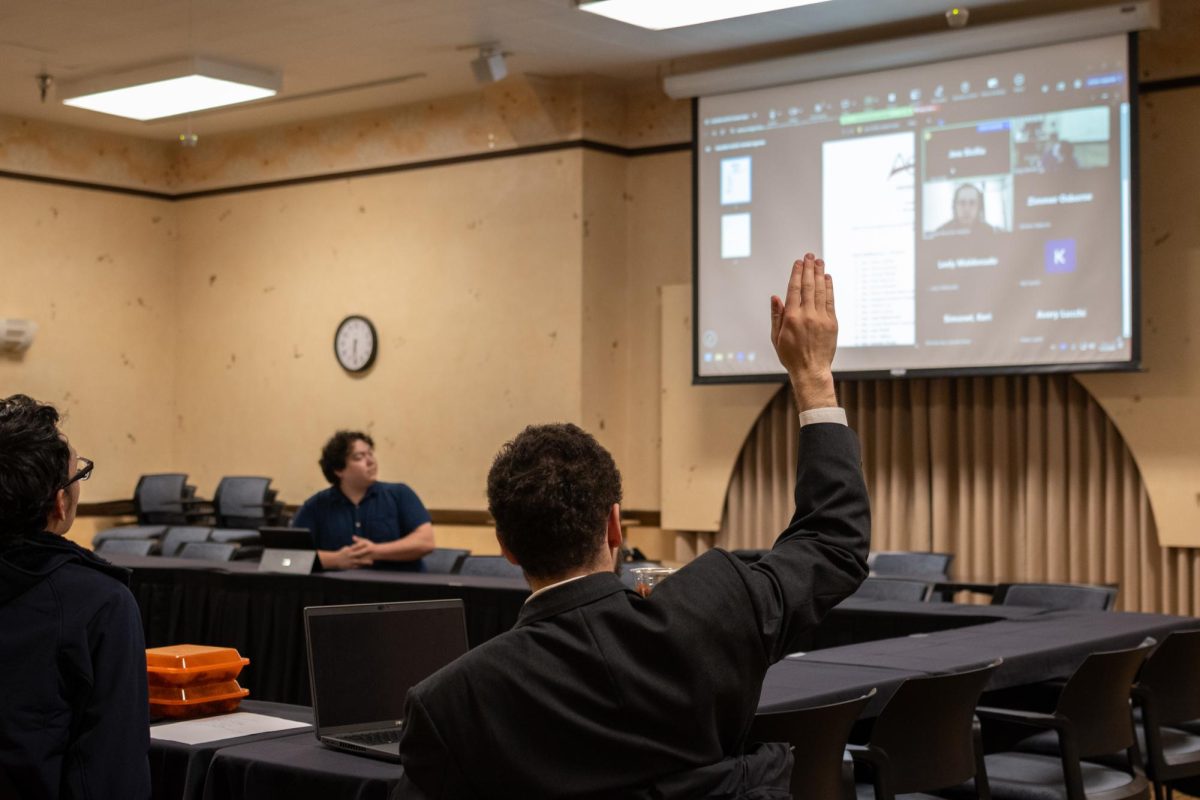
The event began with an introductory video about the night of Shab-e Yalda, showing scenes of Iranian families gathering around tables, sharing fruits, reciting poetry and staying up until past midnight.
Attendees watched the video as it explained the deeper meaning behind this celebration. After the video, the celebration moved into a karaoke session where some attendees and students sang traditional Iranian songs, followed by a Kahoot quiz testing attendees on cultural facts.
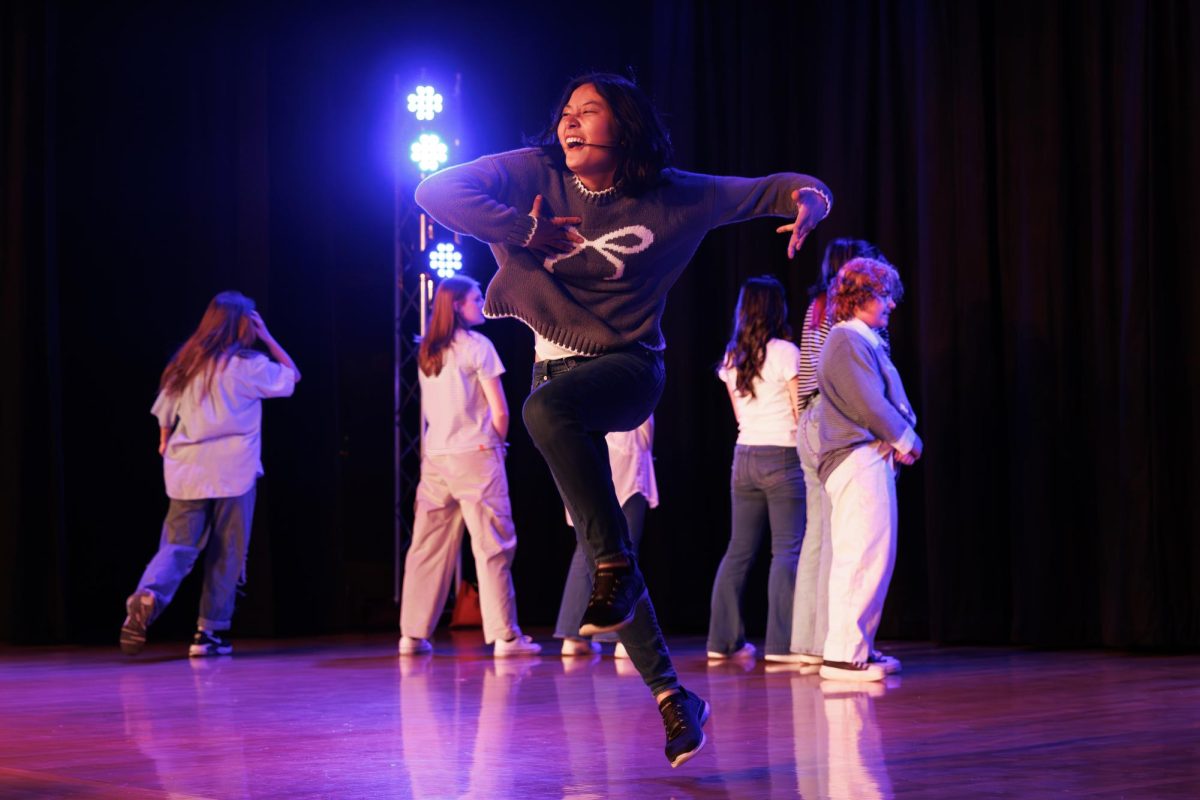
Food was served shortly after, and later the evening lit up into a lively atmosphere as guests danced and did zaghareet(ululation) to Iranian pop and traditional music.
Mahya Payazdan, a fourth-year PhD candidate in biophysics and biochemistry and the vice president of the Iranian Student Association, explained the deep cultural roots behind the celebration. “It’s a celebration, it’s very ancient, and it dates back to thousands of years,” Payazdan said.
“Our ancestors cherished the sun, and Yalda Night is a symbol of the birth of the sun,” said Payazdan. “After Yalda Night, days tend to get longer.” She explained how meaningful it is to share this tradition in a community setting, especially for students who may be far from home during the winter season.
Another attendee, who is a Corvallis resident, Manzar Khoshmevissan, shared her perspective about this cultural night. “It’s one of the biggest events in our history, and it goes way back to many, many years ago, maybe more than 2000 years ago” Khoshmevissan explained.
She also explained the tradition of reading poetry on Shab-e Yalda from the book of Hafez. “We have a book called Hafez, and it’s kind of… you know, by reading the Hafez, you can predict your future. You can wish, and you open the book, and by just reading the poem, you can see about your future,” said Khoshmevissan.
Another Persian attendee and Corvallis resident, Ali Bonakdar, added, “This is a chance for all the Iranian families at OSU and Corvallis to come together for celebration.”
As the night came to an end, the energy among the families and students dancing together remained warm and lively.
Through pomegranate and watermelon, poetry and dance, every year the OSU Iranian community comes together to celebrate Yalda and to honour the history and tradition.