










































Starting an organization today is rarely a challenge, but during the civil rights era, marginalized communities had to fight for spaces of their own simply because of the color of their skin.
At Oregon State University, that struggle led to the creation of what is now known as the Lonnie B. Harris Black Cultural Center.
The LBHBCC works to promote an environment of diversity and inclusion through education centered on the Black, Brown and African-American experience, as well as meaningful community and engagement.
According to its webpage, the center aims to empower Black students to succeed during their time at OSU while also providing a welcoming space and resources for the entire campus community. Resources include, but are not limited to, a library, a study room and a fully equipped kitchen that allows students to gather and connect.
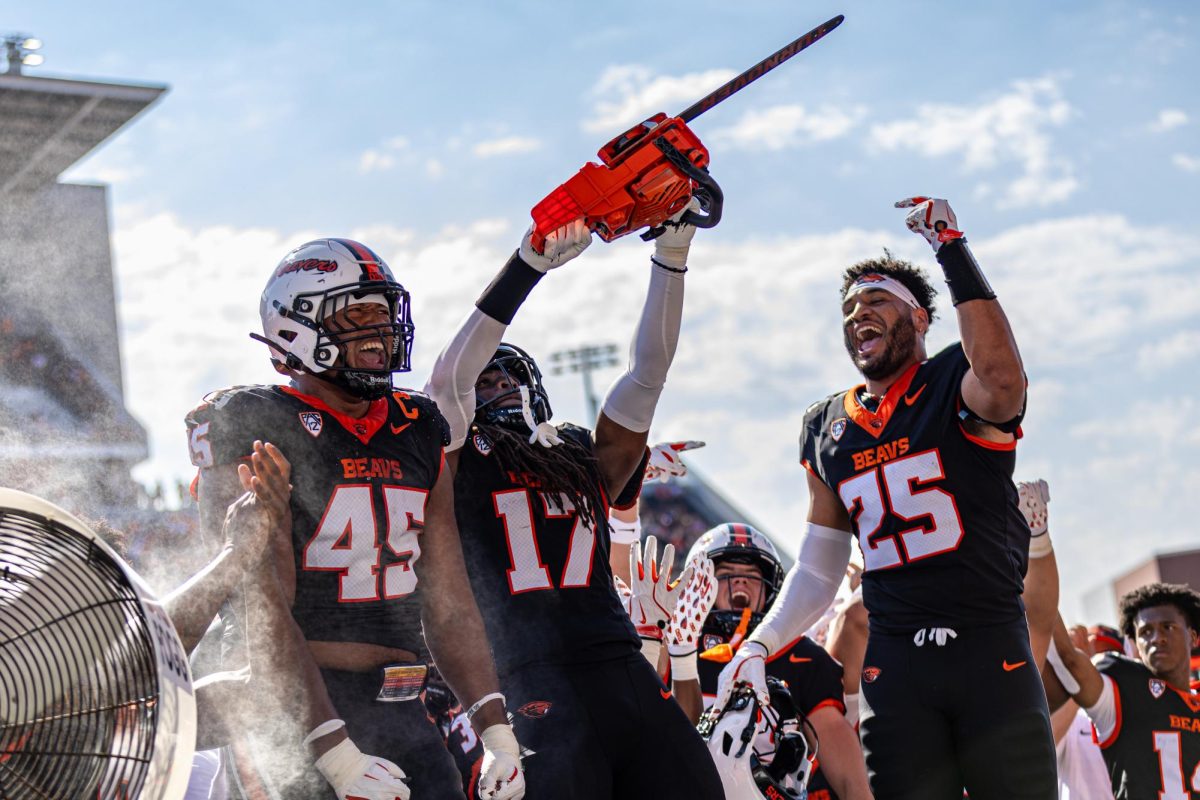
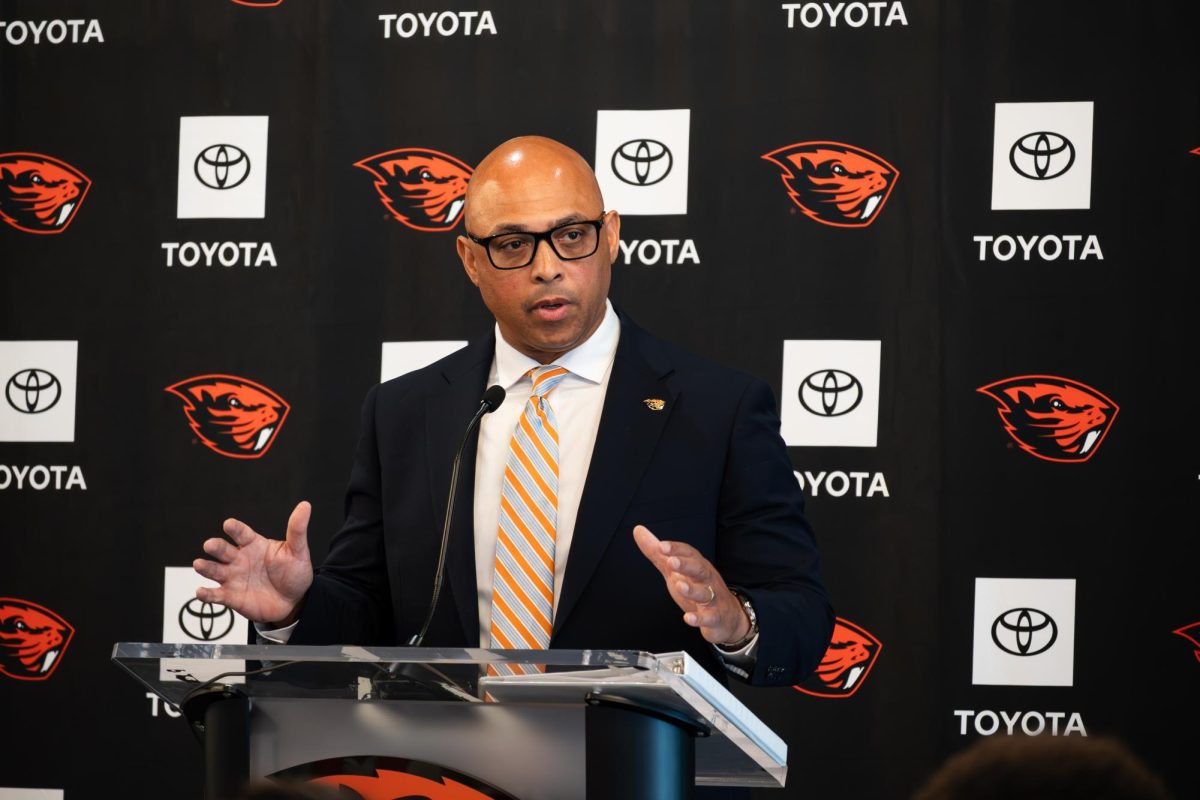
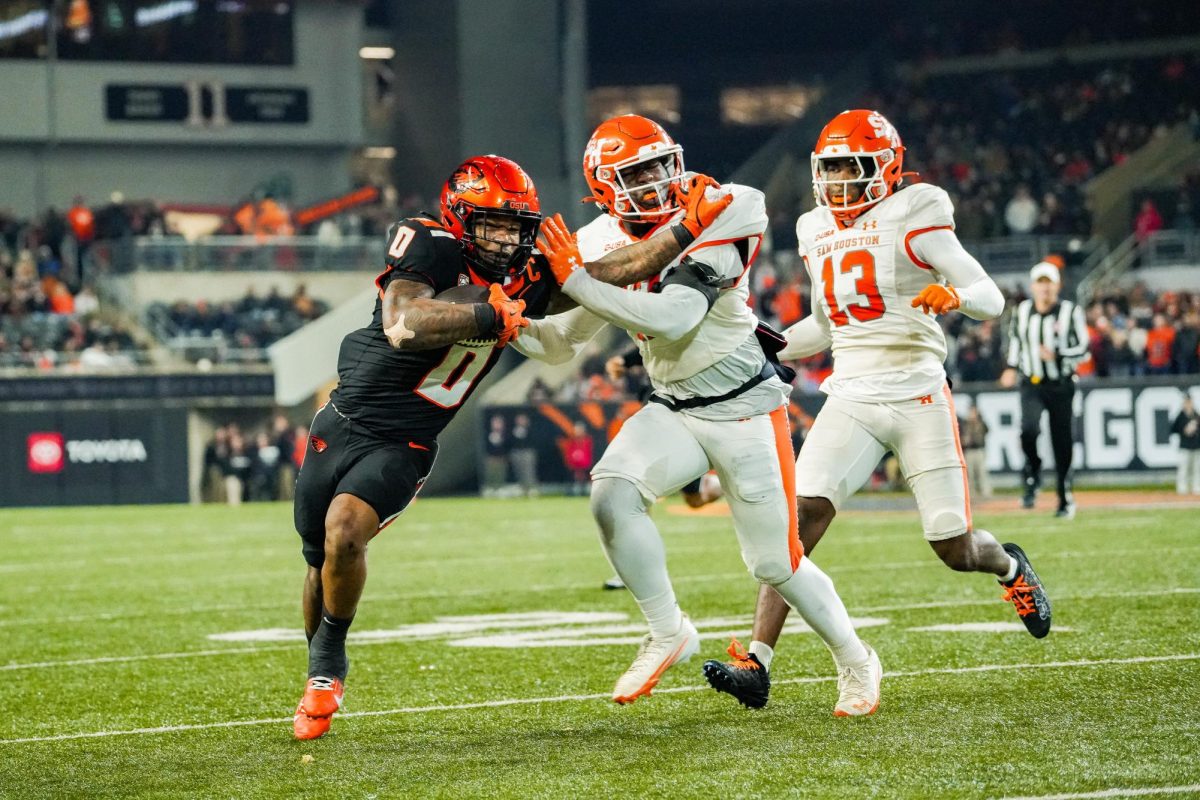
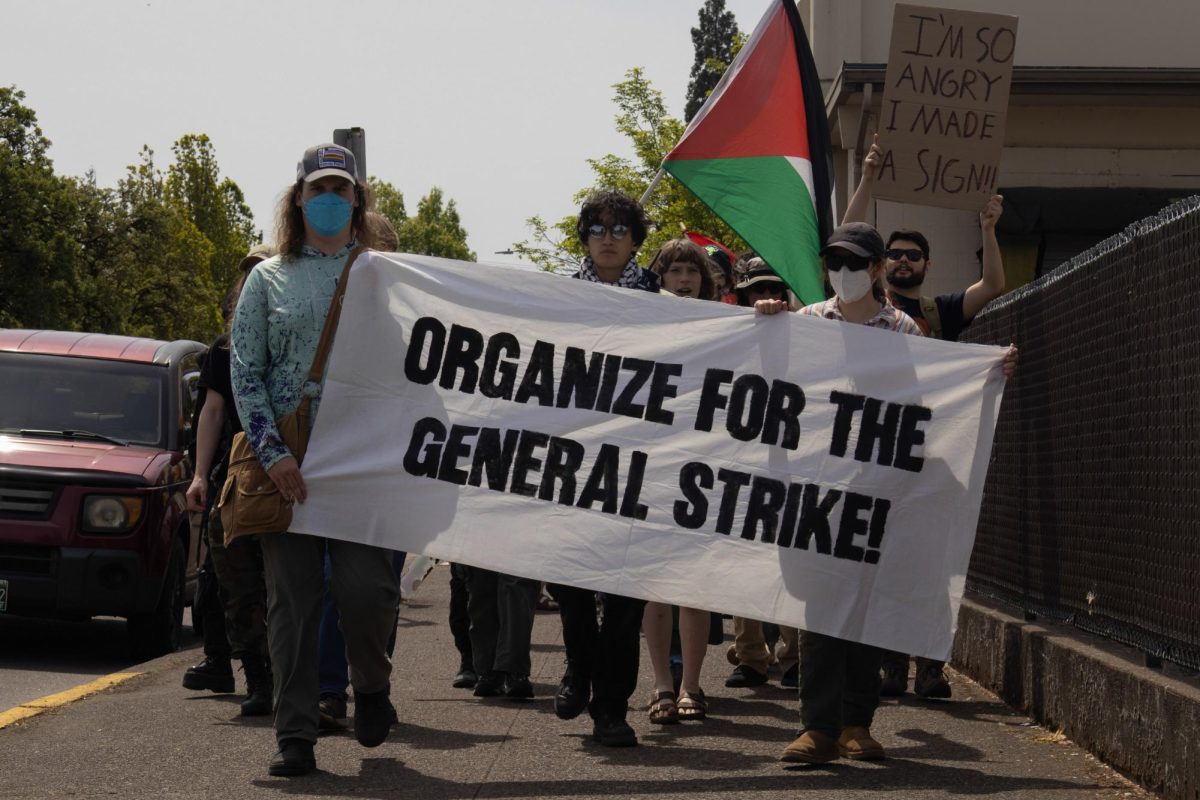
Jamar Bean, director of the LBHBCC, explained a place for Black students to call their own began in 1969 when Fred Milton, a Black football player for OSU, was told to shave his afro and facial hair if he wanted to continue to be on the team. When Milton refused, a student walkout and protest began.
“From that protest, students had demands and one of their demands was to create a space for Black students,” Bean said.
After years of challenging OSU’s discriminatory practices, the BSU Cultural Center was officially founded in 1975 and later renamed in honor of Lonnie B. Harris, the first director of Educational Opportunities Program whom many black students looked up to as a mentor.
“(Harris) had a profound impact on students on campus and in the community and he was an advocate for Black and Brown students on campus,” Bean said. “He had helped so many students during his time and him being the driving force in support of the 1969 Black student walkout, students wanted to honor his work and his legacy by naming the Black Cultural Center after him.”
Today, the LBHBCC continues that legacy by offering leadership opportunities, mentorship and cultural programming to students. The center regularly hosts events to promote diversity and celebrate identity.
According to Bean, the center engages in volunteer work with the community and most recently boxed over 2,800 boxes of food with Linn County Food Share for Martin Luther King Day.
“We try to have a broad impact not only on campus but also off campus and in the community,” Bean said.
The LBHBCC has a full schedule planned for Black History Month. One event coming up is the Black Men’s Mental Health Barber Shop Talk, which will take place from 5 p.m. to 7 p.m. on Feb. 25.
“The purpose is to create a space for Black and Brown identified males to have open and transparent dialogue about some of the things they face and struggle with as men of color while also providing free haircuts for students who attend,” Bean said.
The center aims to tackle issues within the black community through education and finding ways to correct or address it, according to Bean.
“We do this in a communal way by honoring everyone’s voice, seeking the community’s input and creating a plan of action on how we can address and have real impact around that issue,” Bean said.
The center also supports eight affiliated organizations, including the African Students Association, the National Society of Black Engineers and the National Association for the Advancement of Colored People.
The LBHBCC invites everyone to join them — whether on campus or afar — to engage with its community.
“Our goal is to provide a level of support that is unique and intentional for black and brown students in efforts for them to be as successful as possible and ultimately graduate from Oregon State University,” Bean said.
For more information, visit the Student Experiences & Engagement’s website at see.oregonstate.edu.