































































Editor’s note: This article had incorrectly stated that the Transitions course is a replacement for the Baccalaureate Core’s Physical Activity Class requirement and has since been updated.
Student feedback on the newly required “Transitions” course is a mixed bag for first-year and transfer students.
Oregon State University switched its Baccalaureate Core curriculum to the Core Education curriculum, starting in the summer 2025 term, which featured a new course, “Transitions.”
This course was offered at the 100 and 300 levels, fostering curricula for first-year and transfer students, respectively.
OSU operated with the Bacc Core requirements for more than 30 years, and with the recent implementation of the Core Ed curriculum, the academic journey of college students has taken a shift.
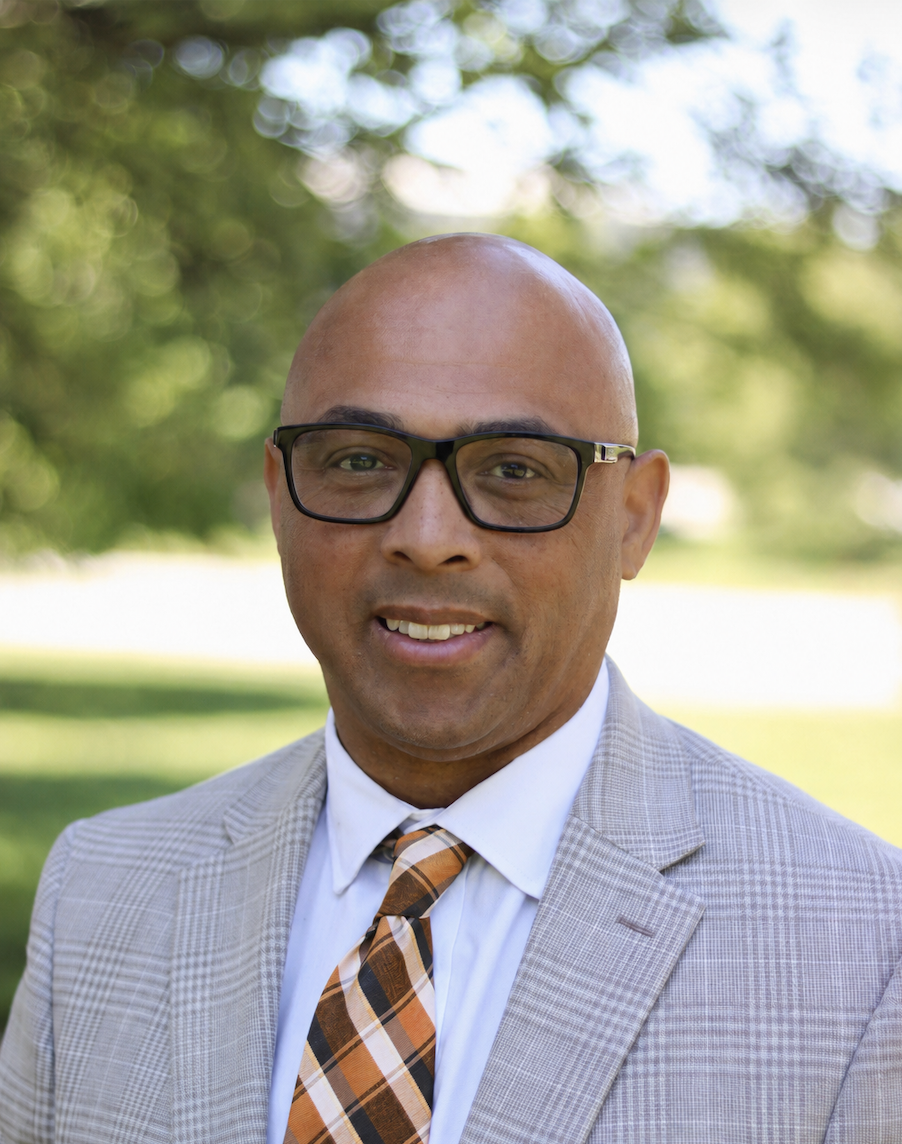
Director of Core Education McKenzie Huber said in an email that Transitions is meant to be a first-year experience where students learn to formulate goals, identify ways to engage in their communities, familiarize themselves with OSU’s resources and understand the common values that guide OSU’s undergraduate education.
This course’s implementation matches other universities’ education requirements, such as those of Ohio State University.
While Huber facilitated the Transitions Coordinating Committee, she explained that “the faculty and colleges are responsible for developing the learning outcomes of Transitions and creating and delivering the Transitions curriculum.”
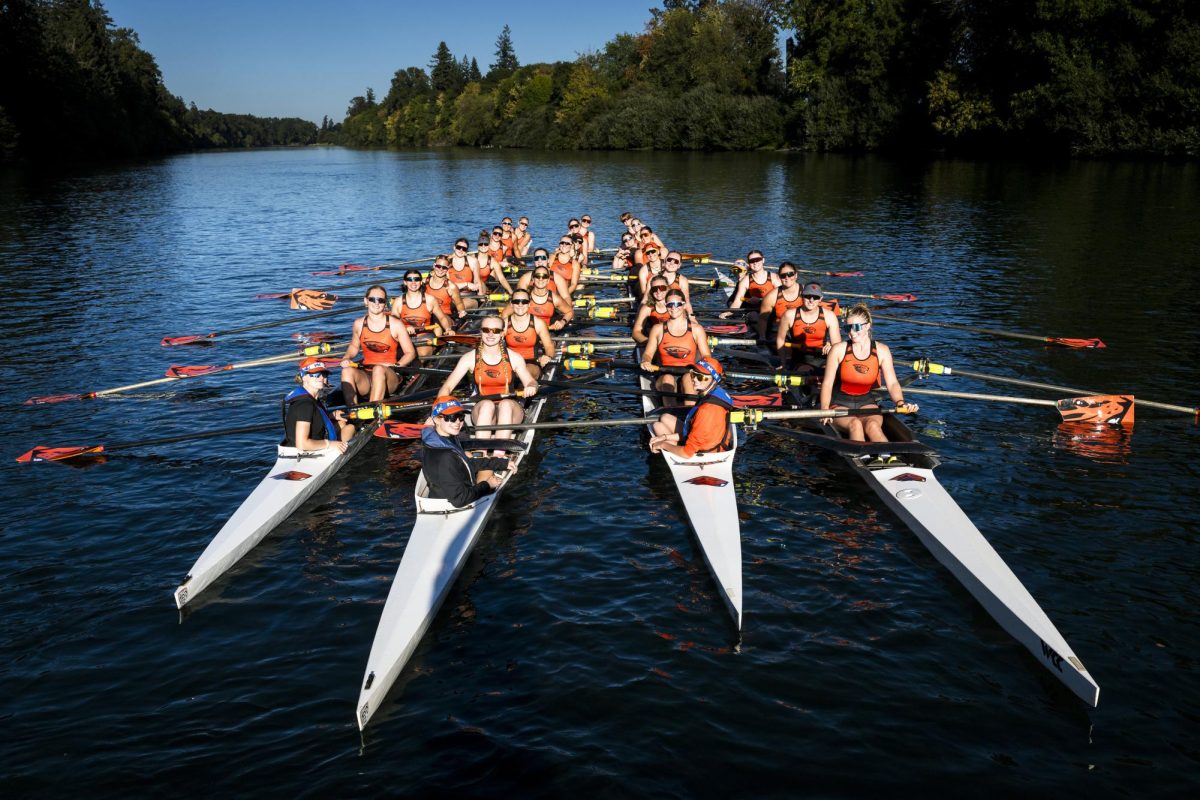
Huber said she does not foresee physical activity courses returning as a requirement to graduate from OSU, as it is not standard in higher education; however, OSU still has several opportunities for physical activity available.
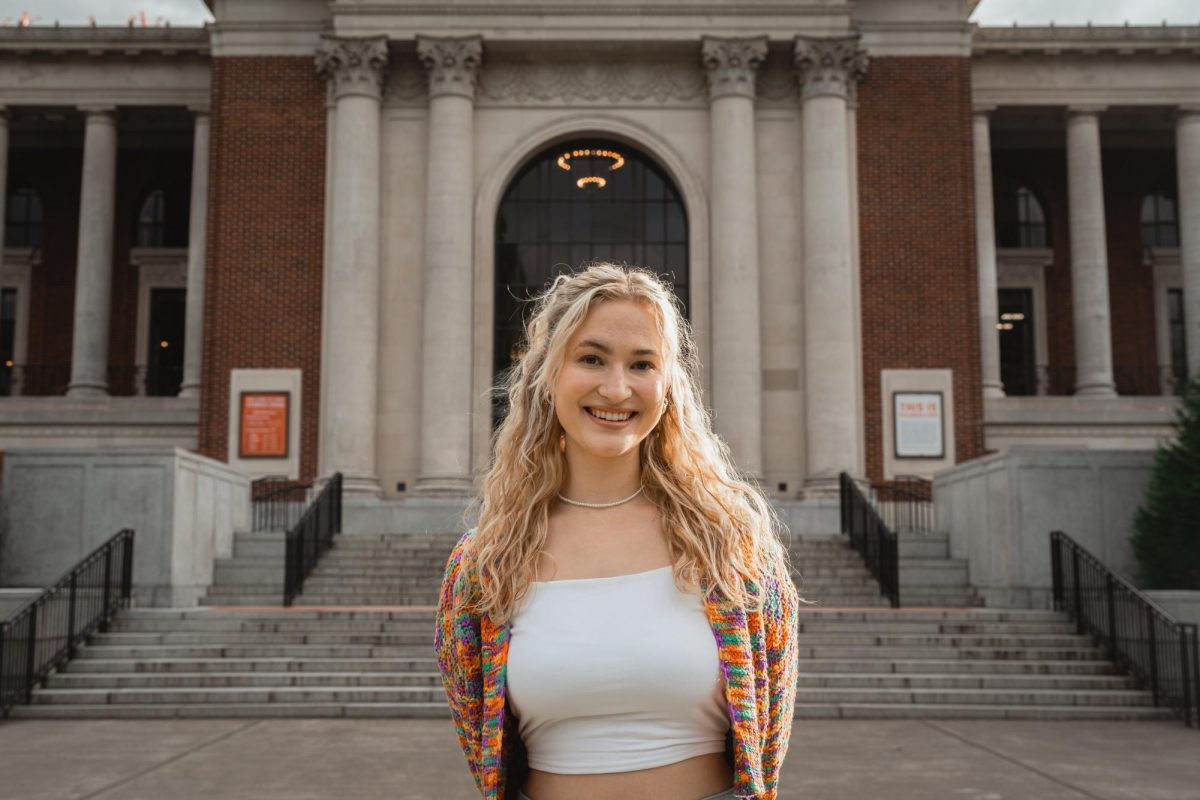
Samantha Flowers, first-year business administration major, described her experience with the 100-level transitions course as a beneficial experience that helped her adjust to college. As an out-of-state student, it helped her build connections and introduced her to important resources around campus, such as the financial aid office.
Flowers believes it should be a requirement for all first-year students; however, she feels that transfer students should be allowed to opt out of it based on their age or number of credits taken.
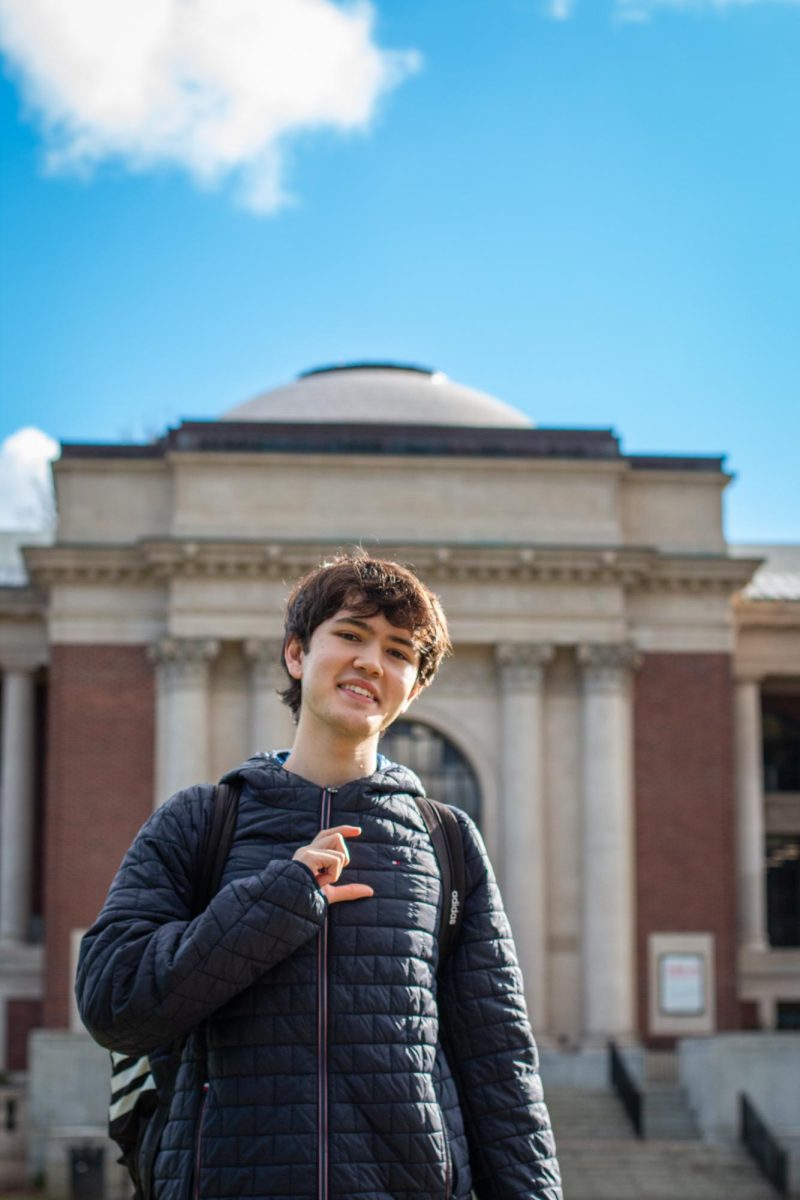
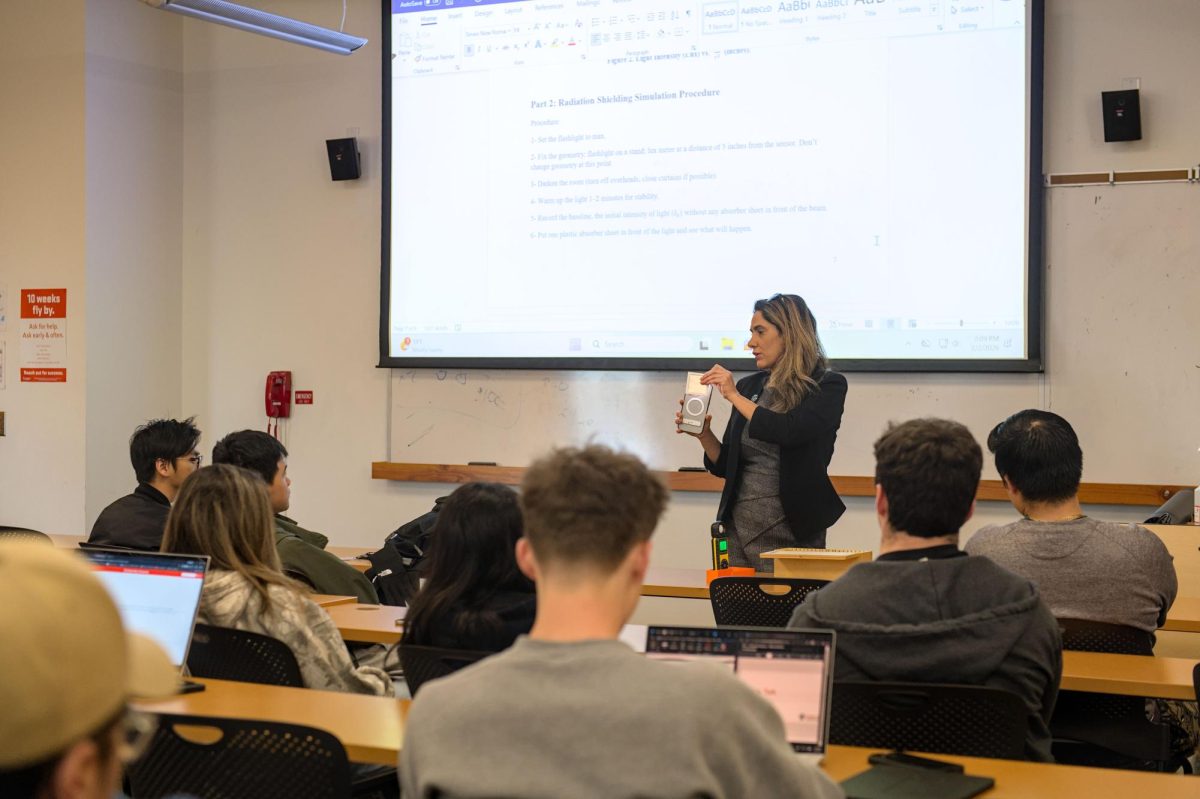
Adrian Navarro, fourth-year kinesiology major who transferred to OSU this year, described his experience with the 300-level transitions course as not being as helpful as it could have been because of assignments that felt like busy work. He also felt that the content did not justify the price that came with two college credits.
“I could have definitely navigated my own way around the OSU website well enough without the class,” Navarro said. Navarro had spent three years attending community college before coming to OSU and believes in his competency to search for resources.
Navarro believes that this course should continue to be required for freshmen, while for transfer students, it should be optional.
He said alternative ideas for transfer students could be weekly emails or meetings to showcase specific amenities without being associated with college credit.
Huber said that the goals of the course were fulfilled after its first term: equitable learning opportunities were promoted and students reported that they built community, connected with their instructors and learned about academic resources at OSU.
The course will continue to be refined based on feedback from the first term to serve OSU’s diverse profile of learners, according to Huber.