































Editor’s Note: This is a column and does not reflect the views or opinions of The Daily Barometer.
Seventy-nine years ago a player stepped onto the diamond that would end up changing the course of history.
Jackie Robinson ran out to first base at Ebbets Field on April 15, 1947 in Brooklyn, New York. The Brooklyn Dodgers, now Los Angeles Dodgers, were facing the Boston Braves, now Atlanta Braves.
This marked the first time in the National League’s 71-year history in which a person of color played, which would later merge with the American League in 2000 to become one entity, Major League Baseball. Three months later, Larry Doby became the first person of color to play in the AL.
Robinson went on to win the inaugural Rookie of the Year award in 1947, one of only two players to win the award before the AL and NL separated awards.
In modern times, every April 15 is recognized as Jackie Robinson Day. This is where all MLB teams have every rostered player wear the number 42, which is normally not allowed for players to wear as it is retired league-wide.
A retired number signifies that no new player can wear it, and is almost always related to a certain player excelling in that number. Only three numbers are retired in American sports league-wide: The number 99 in the NHL for Wayne Gretzky, 6 in the NBA for Bill Russel and 42 in the MLB.
The number 42 was retired back in 1997, but it wasn’t until 2004 that the day was deemed Jackie Robinson Day. Starting in 2007 was when MLB teams started wearing the number to honor Robinson on April 15, but wasn’t mandated for another two years.
After talks, 2009 became the first year that all teams were required to sport the number instead of their typical jersey.
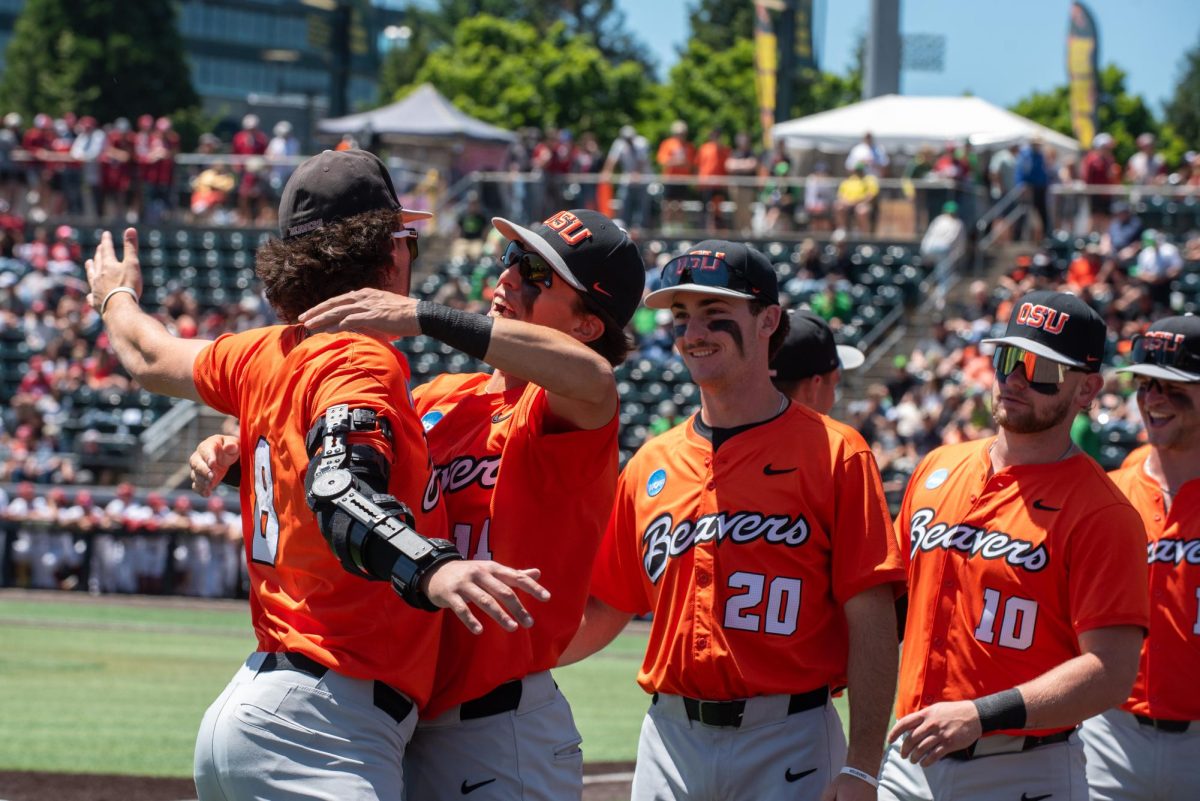
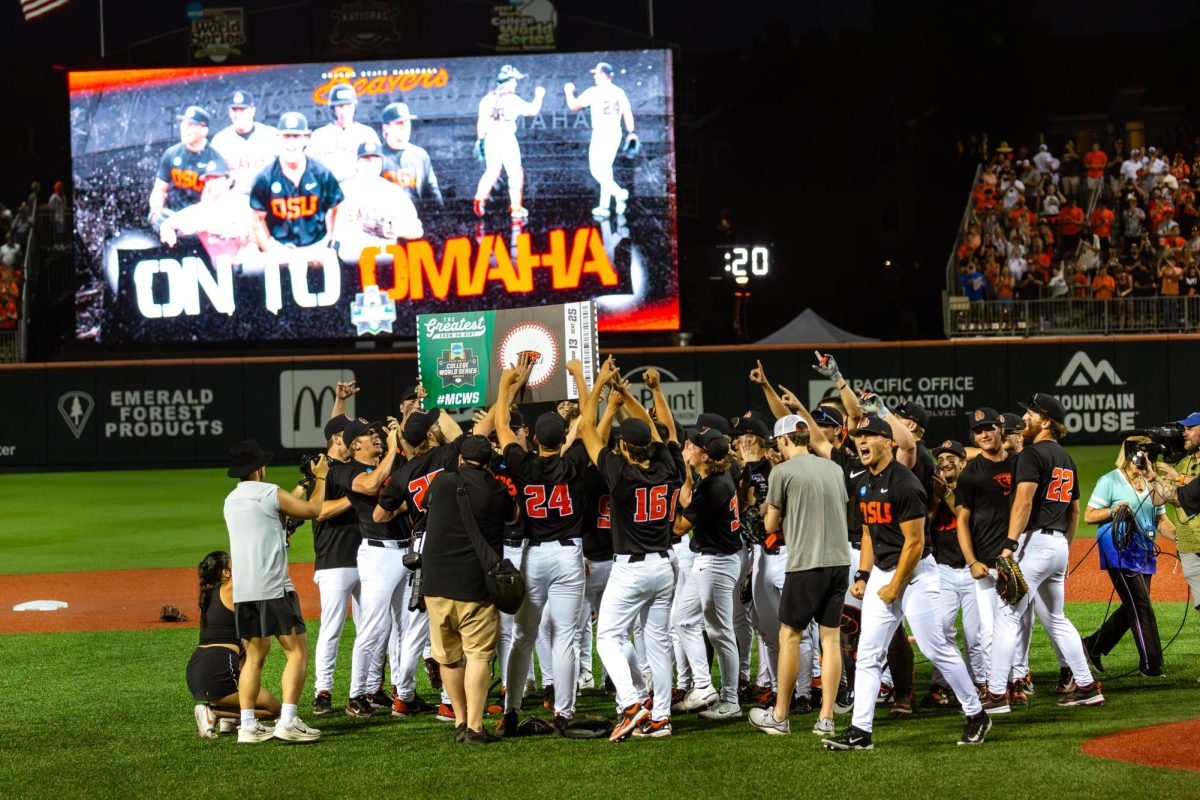
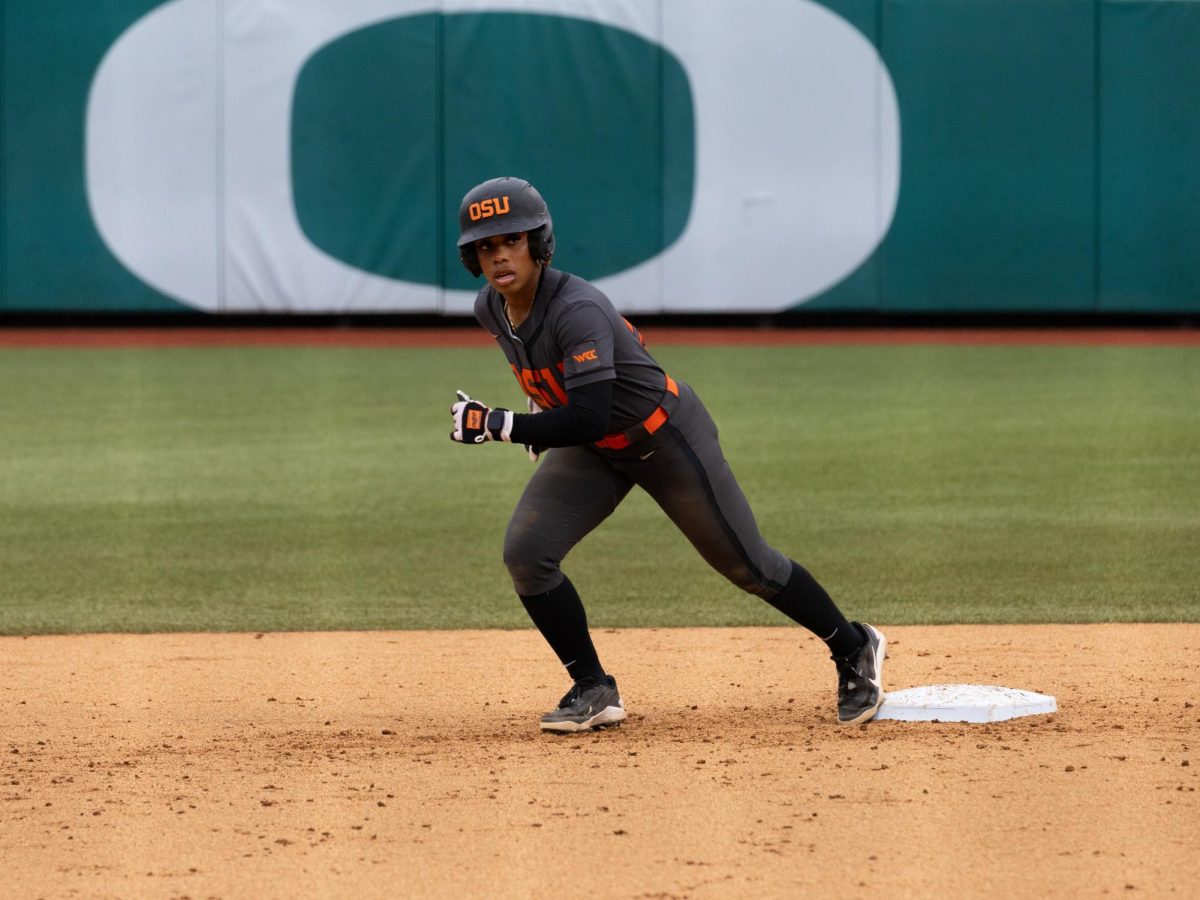
Some collegiate schools boast the number 42 jersey, most notably Robinson’s alma mater UCLA. Oregon State does not follow this rule, but I think they should as it is more of a sign of respect than a simple jersey swap.
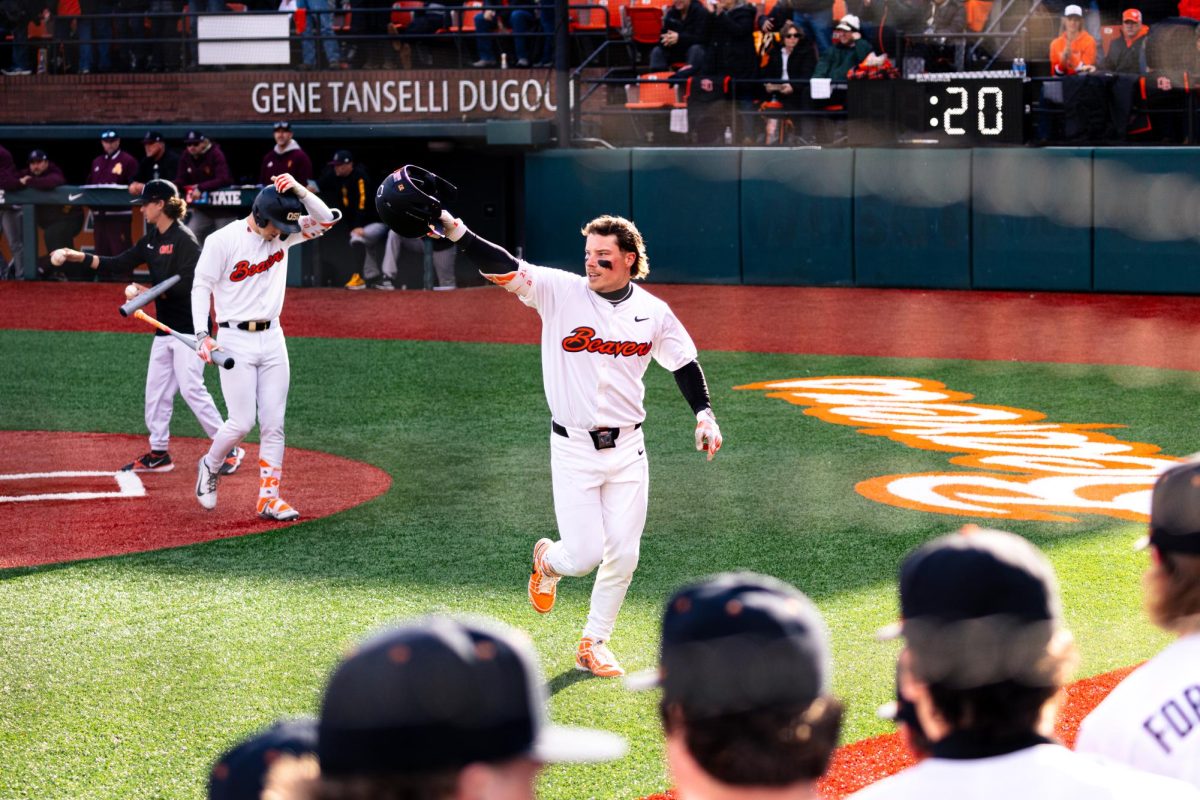
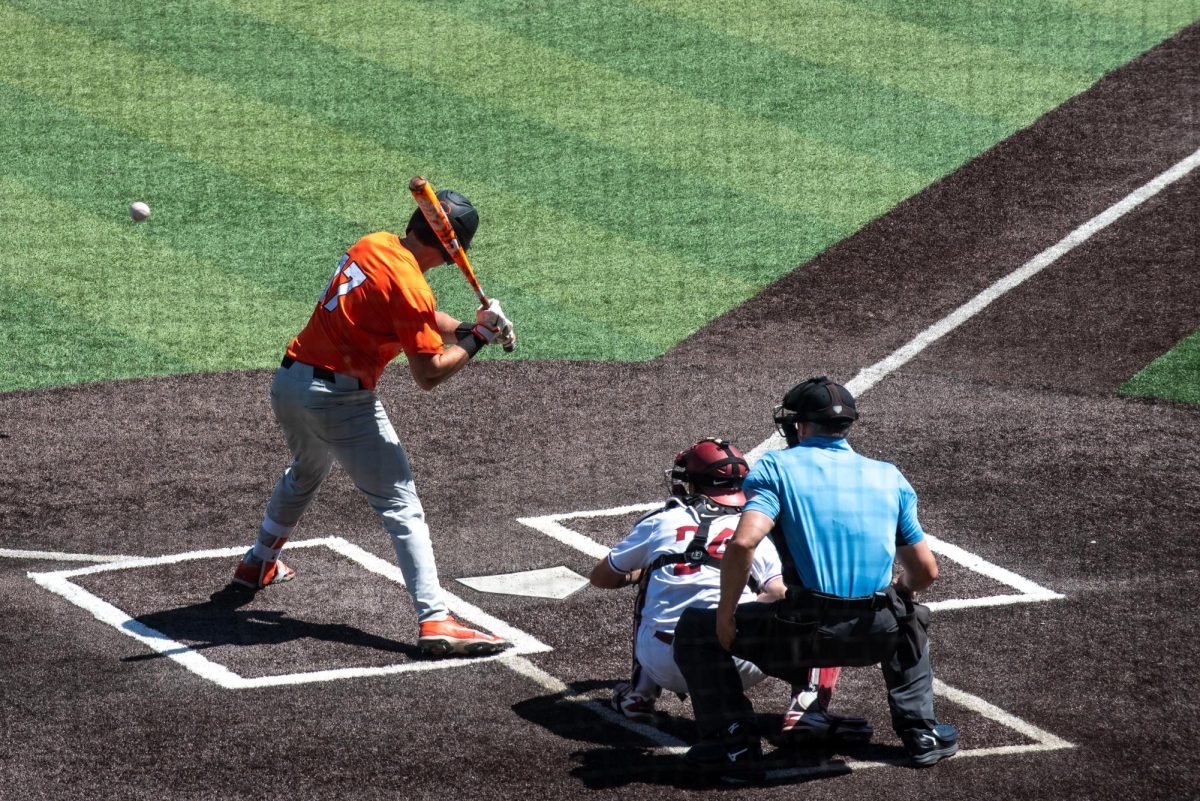
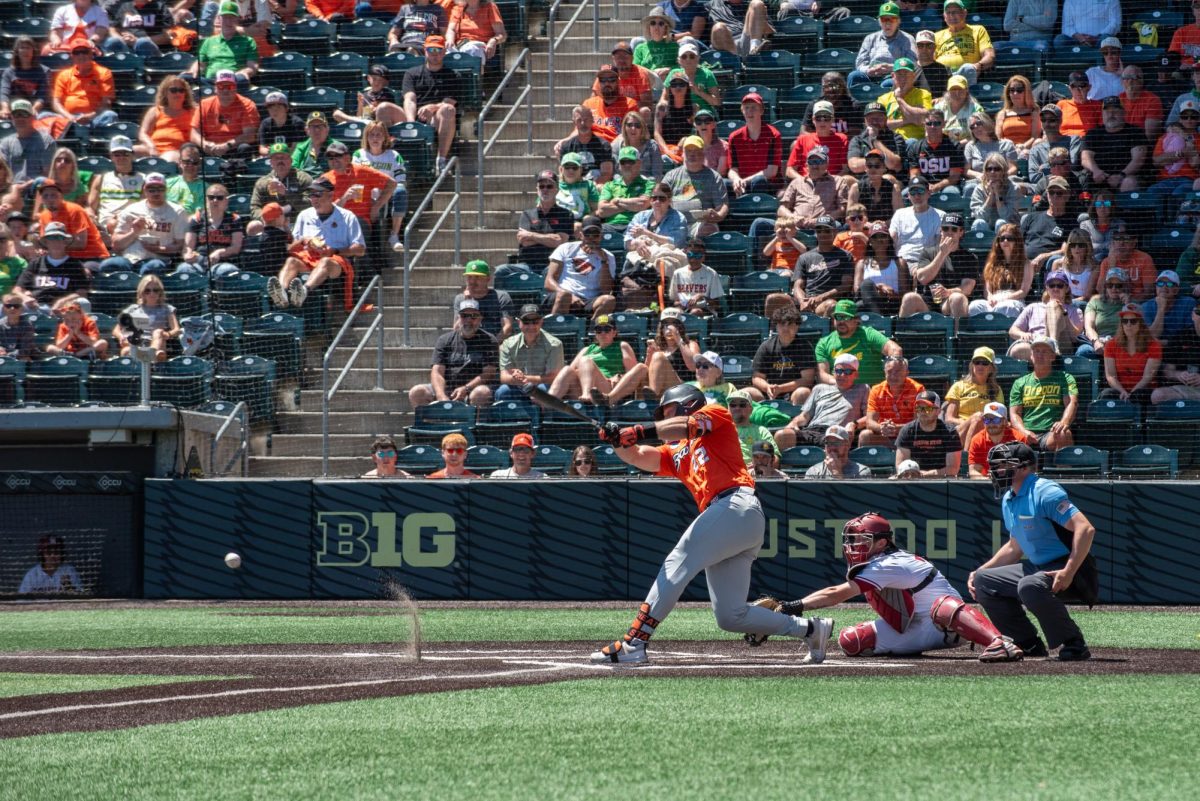
Oregon State has not had a player wear the number since at least 2010, with potential indication of never having a player wear it ever. The Beavers also don’t have a “first” denoted player of color in baseball.
Everything that Robinson changed when initially signing with the Dodgers on Oct. 23 1945 came prior to the greater changes that the United States would eventually see. His signing came before Rosa Parks and Martin Luther King Jr. had their great successes as leaders, and before the U.S. abolished a plethora of laws that were very discriminatory.
As of Baseball Opening Day, the percentage of Black athletes in the Major Leagues continued to rise, and is currently at 6.8%. These numbers have slowly increased since hitting a record low 6% in 2024, the lowest since the 50’s.
Of these players, 20 came up participating in MLB Development Programs like the MLB Youth Academy founded in 2006 in Compton, California. These programs have been invested in a lot recently by the MLB, hoping to promote young black athletes to participate more in baseball.
Seattle Mariners shortstop J.P. Crawford was one of those players, and one of the most notable on the list that attended one of the academies.
As the sands of time continue to form and shape the ongoing history of this ancient American game, so too will Black athletes continue to mold and push the boundaries of the diamond.
Baseball is as American as any sport may get. Sure, sports like football and basketball have grown to surpass this great American pastime in terms of spectacle and prowess. This success without a doubt in my heart is due to the contributions of the many Black athletes who have endured strife in order to bring to us a better game.
While less than 7% of MLB rosters are Black, the NFL and NBA both boast higher than 70% of their rostered athletes being Black.
So I ask you, dear reader. Why not baseball?