











































































Counseling and Psychological Services at Oregon State University plans to relocate its clinic, but at a much greater cost than originally predicted.
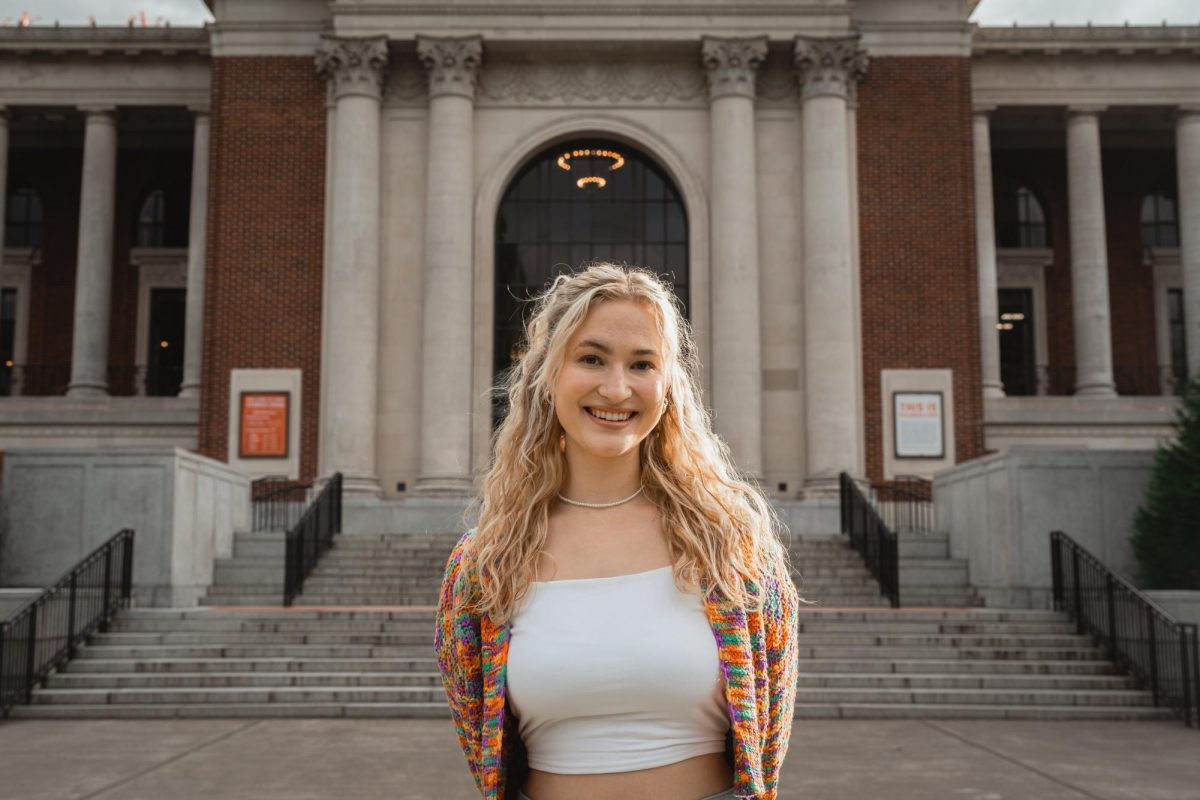
An ongoing construction project aims to move CAPS from its current location in Snell Hall into Gilkey Hall, the social science building located on the northeast corner of the Memorial Union quad.
Eventually, Ian Kellems, executive director of CAPS, said the university plans to move all programs housed in Snell Hall out and demolish the building.
Gilkey Hall was built in 1912 to be the dairy production building and was later changed to host social sciences classes in 1951, according to the OSU Special Collections and Archives Research Center.
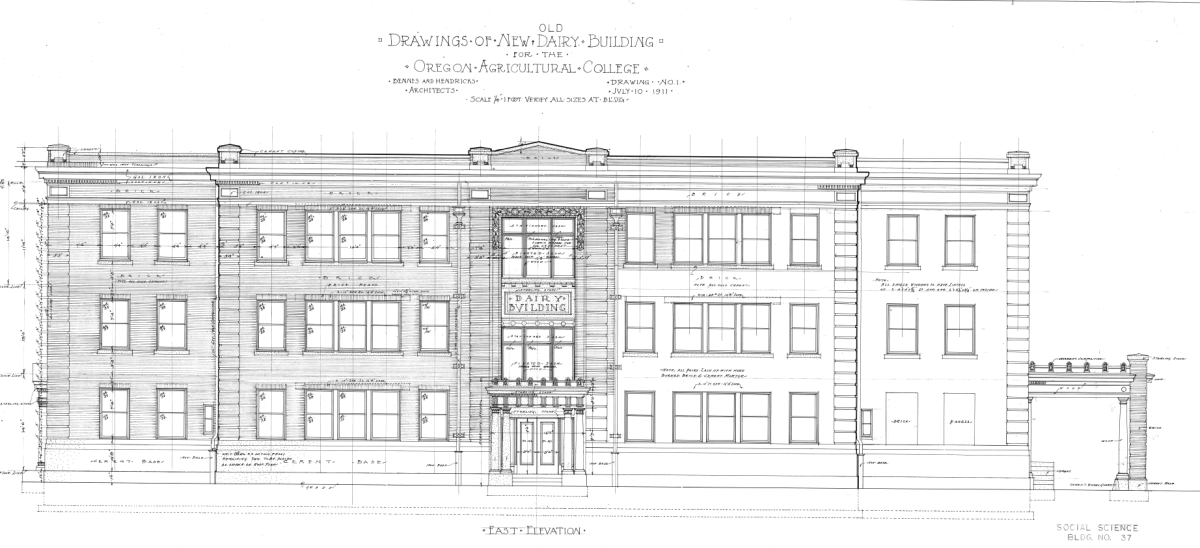
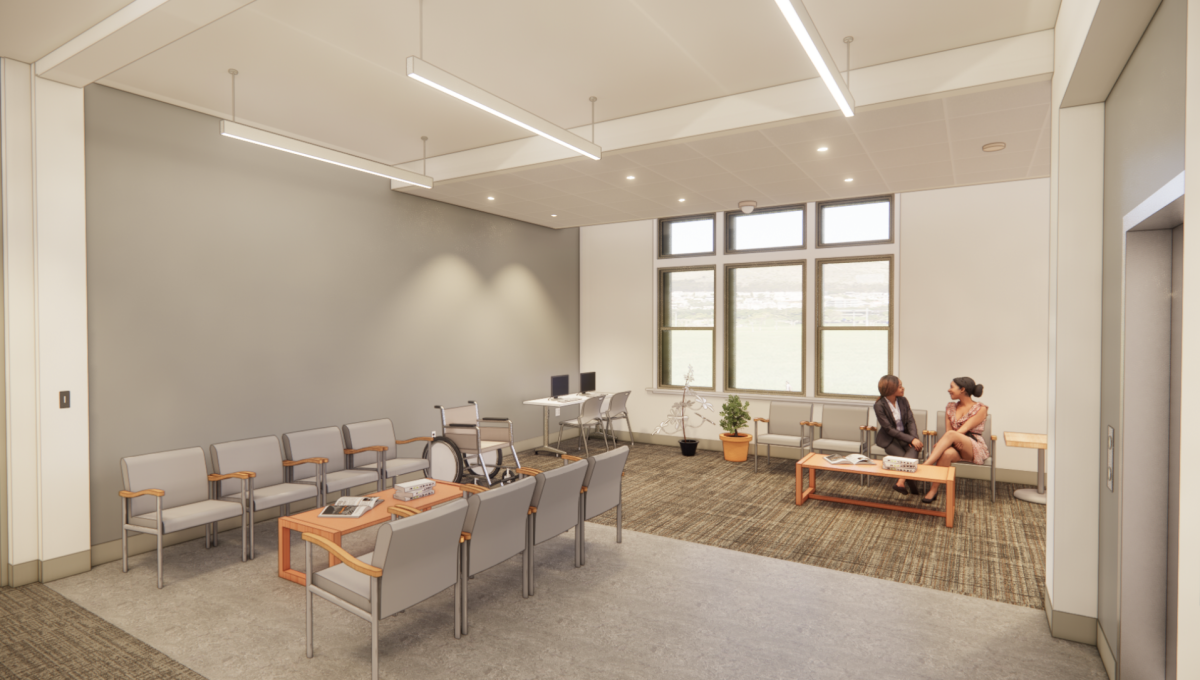
The new renovation’s goal is to give CAPS an updated clinic on the second and third floors while maintaining classroom spaces on the first floor.
Kellems described the planned clinic as an “upgrade.” The design strives to make the mental health clinic welcoming to students through natural light, plants, nature-inspired art and easy navigation.
“A lot of thought has been put into what sort of construction, design and decoration is going to help students to feel calm,” Kellems said.
However, when demolition of the building began in 2021, it led to the discovery of structural issues.
The initial budget for the project doubled from approximately $15 million to $30 million, and the scope widened from just the second and third floors to the whole building, according to Project Manager Scott Bond in an email.
According to Bond, crews discovered wood beams without proper supports and dry rot at the base plates of load-bearing walls, likely from multiple leaks and the former usage as a dairy.
“It was kind of like peeling an onion back layer by layer and finding new issues as construction progressed,” Bond said.
These issues compromised structural integrity and led to an OSU decision to renovate the whole building.
“This includes seismic shear walls (concrete) that attach to the interior side of the existing brick,” Bond said. “They provide lateral support to the building and, in an earthquake event, prevent bricks from falling to ensure staff and students can exit the building safely.”
The renovation will also include accessibility improvements, like a new elevator, staircase and ADA improvements to both the interior and exterior. Building systems such as electrical, plumbing, heating and cooling will also receive work, and there will be new windows and a new roof.
“Ninety percent of the building has been fully gutted,” Bond said.
An additional issue uncovered was non-friable asbestos, which is asbestos that is contained and not hazardous unless disturbed. However, university construction policy requires abatement, a process to remove asbestos, which is set to cost $600,000.
According to Bond, the university is searching for additional funding for the project, and there is no set completion date.