
























































































Oregon’s standard minimum wage increased from $14.70 to $15.05 in July, eliciting a mixed response from Oregon State University and the community.
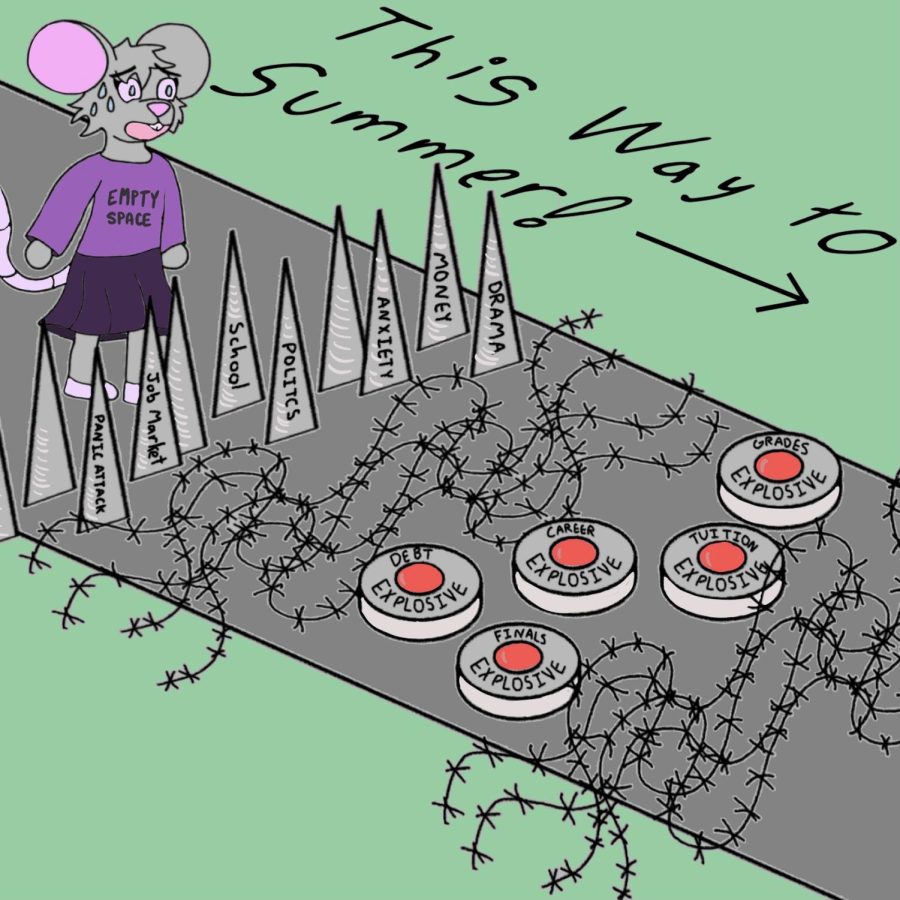
Money is a variable in every college student’s trek through their education. From paying tuition to purchasing groceries, finances are required. What are the noticeable effects of the wage increase on both workers and employers?
According to Oregon’s Bureau of Labor and Industries, the recent wage increase, which took effect on July 1, was based on the increase in the Consumer Price Index, which considers the costs of housing, transportation, medical care and other expenses—inflation.
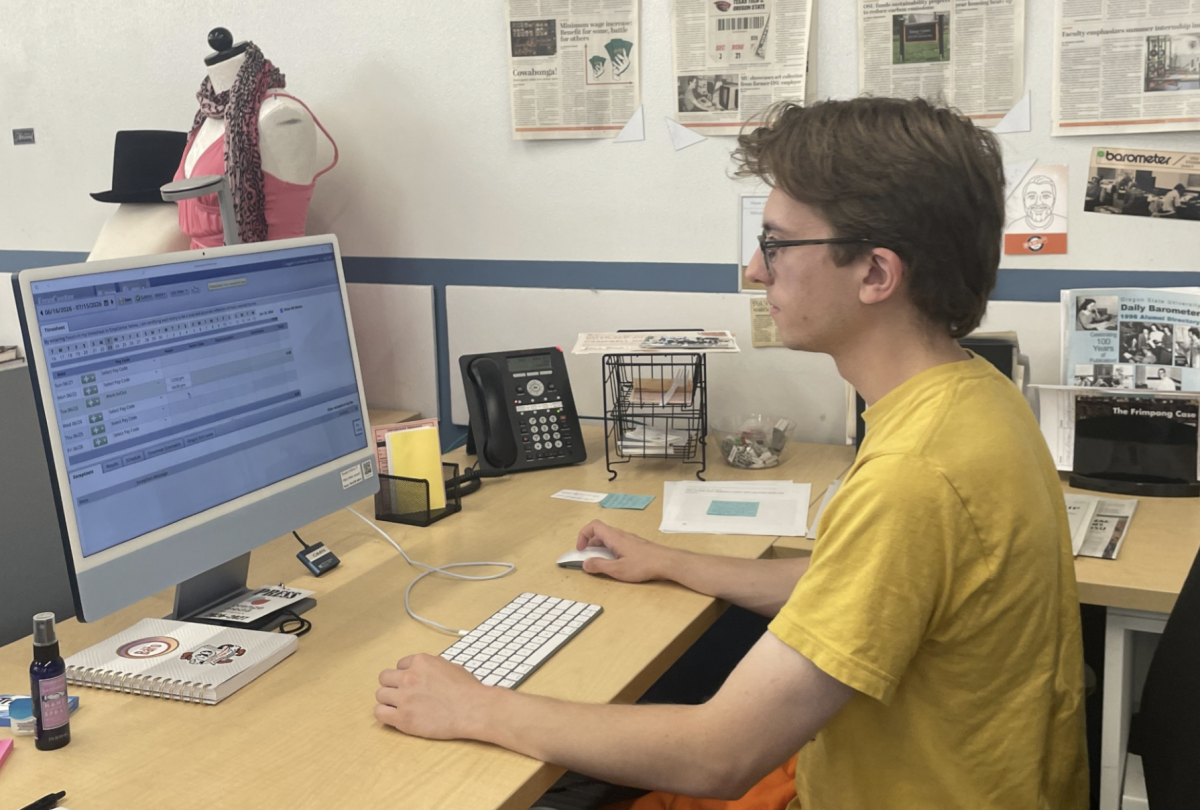
In examining how the wage increase has affected employers at OSU, Chris Lewis, student employment center supervisor, said in an email that “we have not noticed a significant impact. OSU consistently employs more than 8,000 hourly student workers.”
Additionally, Lewis mentioned that “we have not seen any noticeable dips in student employment numbers. For example, in the month of September, the Student Employment Team processed more than 1,600 student hourly hiring requests.”
With these numbers and steady statistics, OSU, a government-funded institution, has not been detrimentally affected by the increase in minimum wage.
Ethan Blount, a student worker at Dixon Recreation Center, explained that he wasn’t aware of the wage increase in the first place. Regardless, the increase did not seem too monumental to him.
An off-campus student worker, Jasmine Piedra, who works at Ross Dress for Less, mentioned that she was also unaware of the increase. She believes the increase was insufficient when compared to the challenge of inflation and still finds it a struggle to afford day-to-day necessities.
Although a wage increase may be unnoticeable or seemingly insignificant for some student workers, it could be one more stressor for their employers to deal with.
This perspective is hitting local businesses. Sarah Booth of The Naked Crepe Cafe, described through email that “the rising cost of living in all ways affects my business through rising cost of employment, ingredients, services, etc. It’s hard to keep up for a small restaurant without people feeling like your prices are too high.”
Another local business owner, Autumn Peterson, owner of Summer Beam Books and Heritage Natural Finishes, expressed that the minimum wage increase was not the primary stressor for them, but general inflation and price increases have the largest effect on the business. With prices increasing on all fronts, Peterson said that “it’s challenging to be making it in any business right now.”
Despite these reported hardships, both businesses mentioned that they have hired college students in the past. Booth said that when compared to inflation, the minimum wage increase was not enough, and Peterson said that she chooses to pay her employees above minimum wage to make it more livable.
With the wage increase and general inflation being a topic within the community, some may be struggling and wondering about how to find employment in the first place.
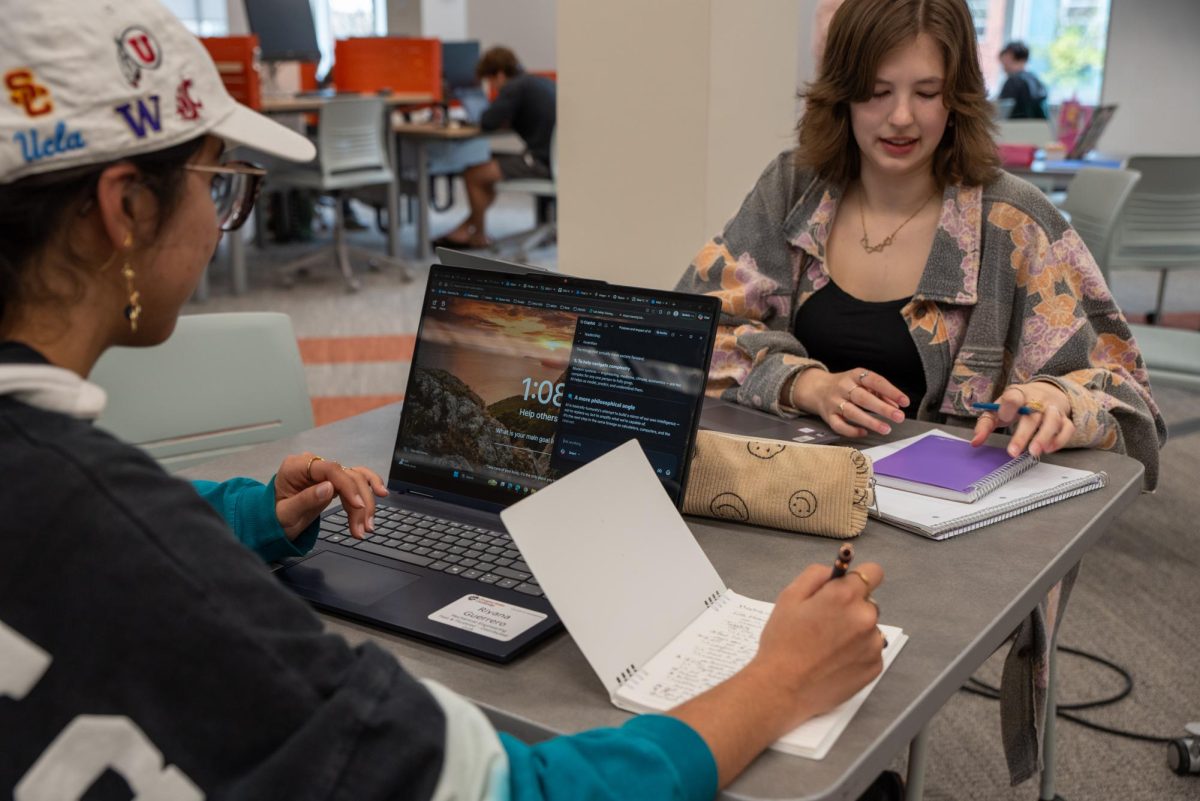
A recitation instructor of the new OSU transitions course, Eric Bruce, said that new students may be struggling to find work because of multiple challenges: adapting to university life with the newness and overwhelming size of OSU, and the issue of scheduling work around the busy life of school.
For students who are grappling for employment, there are various opportunities and resources available. Lewis mentioned that beyond the wage increase, the OSU job market can be competitive. Despite this, they said that there are currently over 100 jobs posted on the OSU jobs website.
Some resources Lewis recommended to find work were the above-mentioned OSU jobs website, the student employment webpage, and the Career Development Center, which can provide help developing resumes, cover letters and finding work opportunities via Handshake, a job searching site.