

















































































As the lunar calendar shifts, Oregon State University students get ready to welcome Ramadan beginning in mid-February.
For hundreds of Muslim students, this holy month arrives in the middle of winter term, where they have to balance this spiritual commitment with academic demands.
Ramadan is the ninth month on the Islamic lunar calendar and is observed by Muslims worldwide. It honors the period when the Quran — an Islamic holy book — was first revealed and is marked by fasting, prayer, charity and spiritual reflection.
While common knowledge about Ramadan associates it with fasting — abstaining from food and drink — its meaning goes much deeper.
According to Islamic writer and speaker Yasmin Mogahed, the real meaning of Ramadan is not just about physical restraint but also “purifying the soul and seeking closeness to God.”
It starts with Muslims fasting from food and water, in an act known as “sawm,” from dawn until sunset. The goal here is not deprivation, but the cultivation of self-discipline, gratitude, charity and awareness of those facing hardship.
Sahih Muslim records a saying by Prophet Muhammad (Peace Be Upon Him) in which he taught, “The believer is not he who eats his fill while his neighbor is hungry.” This principle shapes the communal spirit of Ramadan, especially for students living far from home.
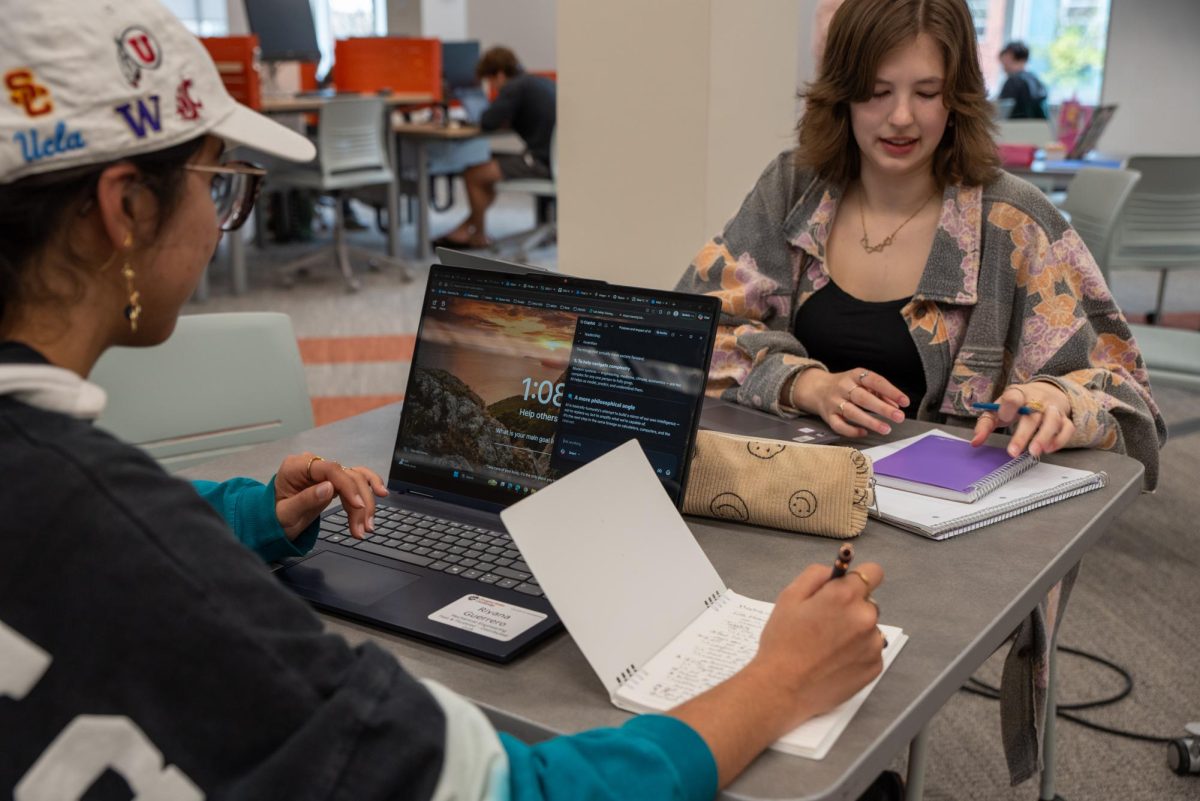
Observing Ramadan as a student during an academic term requires a careful balance as late-night prayers, pre-dawn meals and daytime fasting often overlap with exams, labs and long study sessions.
Despite these challenges, many students describe Ramadan as a time of clarity and focus rather than exhaustion. The structured routine provides a mental and spiritual reset amid the pressure of hectic university life.
For me as a Muslim, Ramadan is a process of being spiritually reset as it’s not just about not eating or drinking, but instead it goes beyond into the depth of my soul. It is a chance for me to feel compassionate for those not blessed with enough. It is also a chance for me to reflect and focus on my beliefs, my habits and my decisions, which invigorates my soul to continue walking on this path for another year.
For other students and faculty, understanding Ramadan offers an opportunity to create a more inclusive campus, as support does not require participation but only awareness and consideration.
Esha Ahmed, a community relations representative for Diversity & Cultural Engagement at OSU, said, “Each day looks similar, but … different in nature as the days are structured around mindfulness and intention rather than food.”
“I also really value how much community is emphasized throughout the month … with eating and prayer together. In typical routines, everyone is on their own schedule and in a rush, but in Ramadan, we all slow down and have similar schedules, which makes togetherness a beautiful aspect,” she added.
According to Ahmed and anonymous Muslim students at OSU’s Ettihad Cultural Center, being patient and mindful that a fasting person may be tired goes a long way. Simple gestures like asking respectful questions, scheduling meetings thoughtfully when possible or acknowledging Ramadan can make someone feel seen and supported.
According to Sahih Muslim, “Whoever relieves someone of a hardship in this world, God will relieve them of a hardship on the Day of Judgement.”
Ramadan ultimately extends beyond those who observe it. It invites the broader campus community to practice patience, kindness and understanding.
This month at OSU serves as a reminder that faith, identity and education often intersect and when met with empathy, those intersections strengthen the campus as a whole.