

















































Editor’s Note: This is a column and does not reflect the views or opinions of The Daily Barometer.
There is a peculiar comfort in choosing what we already know.
We return to the same coffee shop without comparing prices. We order the same meal, drive the same route home and revisit the same stories because familiarity asks very little of us. It is effortless. Predictable. Safe.
That’s the power of familiarity, but familiarity isn’t always the same as intention. Perhaps nowhere is this more apparent than at the movies.
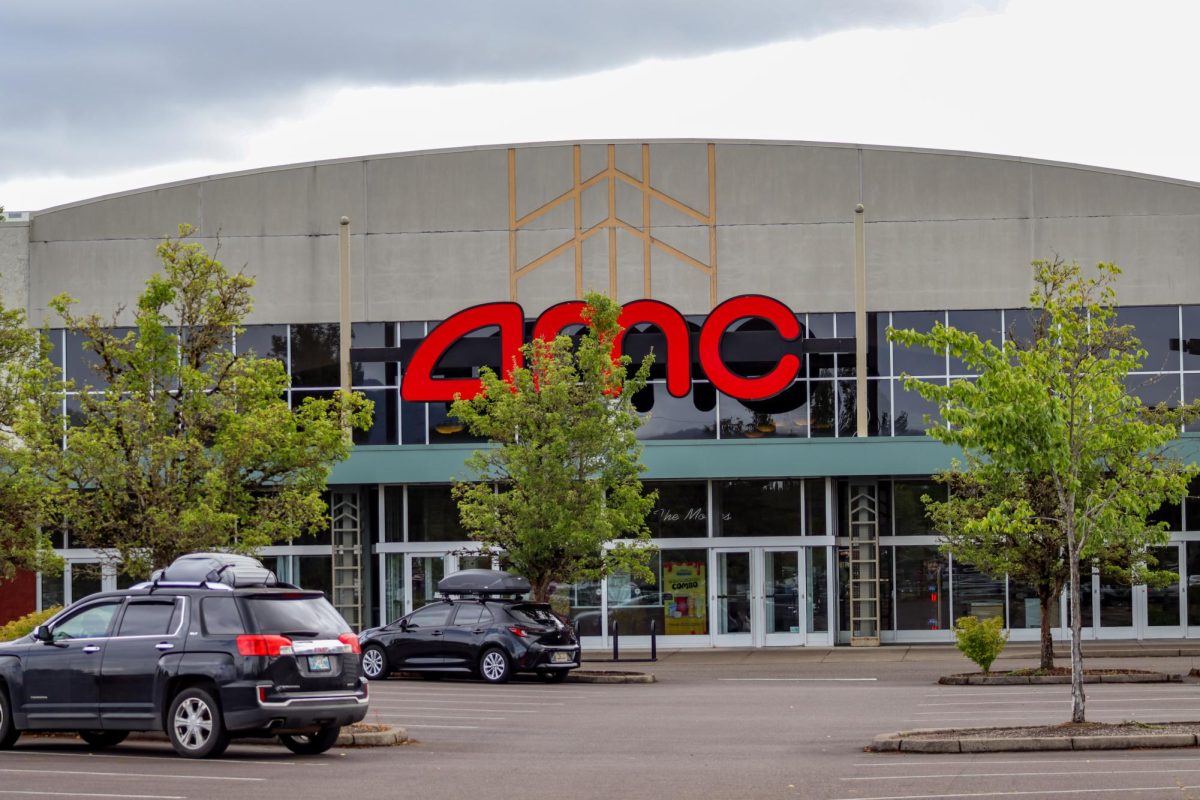
When a new blockbuster premieres, most audiences in Corvallis instinctively drive to AMC. It is the theater many of us grew up with—the place where we watched animated films with our parents, lined up for superhero premieres with friends and celebrated birthdays with oversized tubs of popcorn.
When I began speaking with the people behind Corvallis’ independent theaters, I expected to hear practical explanations for why students gravitate toward corporate chains. I assumed the issue was price, convenience, or even limited movie selection. Those explanations seemed obvious.
Instead, nearly every assumption collapsed after every interview.
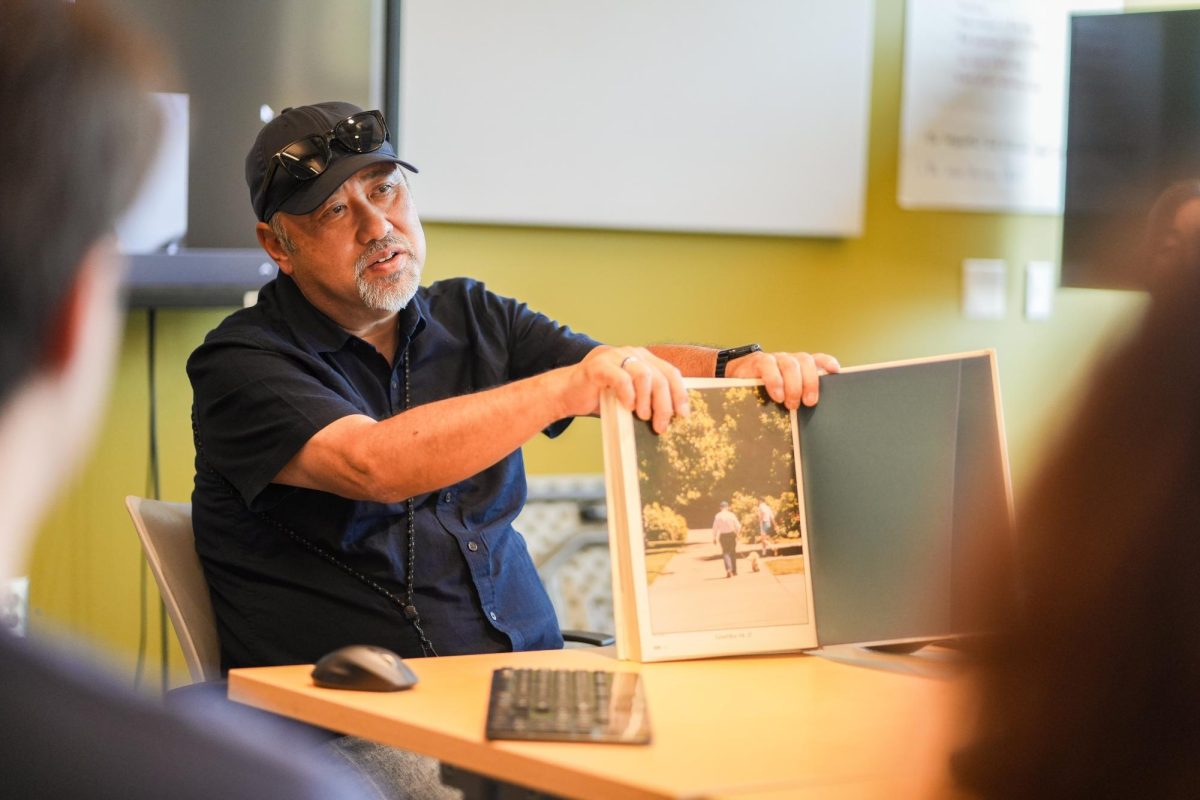
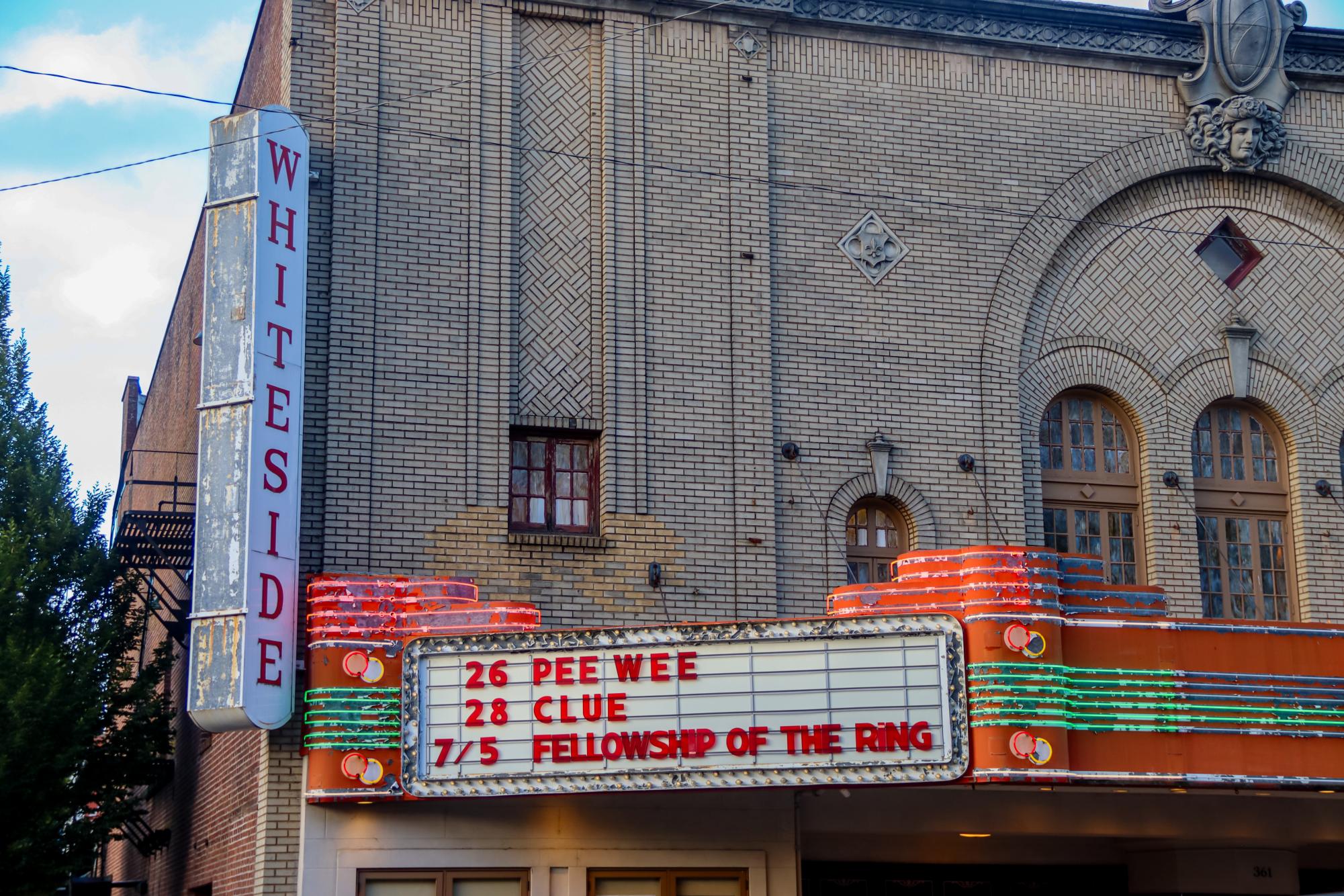
Steve Hunter, the director of operations at Whiteside Theatre, explained that the non-profit theater intentionally keeps admission affordable.“We’re not-for-profit,” he said. “We’re just trying to cover our costs and labor, and hopefully do some preservation work along the way.”
The theater’s highest ticket price is only $10, with additional student discounts and membership programs that reduce costs even further.
Darkside Cinema tells a similar story. Owner Paul Turner noted that the theater is “generally the cheapest in town,” making affordability far less of a barrier than many people assume.
The difference, then, is not affordability. Nor is it simply about what films are playing.
Corporate theaters excel at delivering the biggest releases, but independent cinemas were never designed to compete on identical terms. Instead, they offer a different kind of experience that chains often cannot.
“We’re trying to do community-oriented cinema,” Turner said. “We’re an independent media source. We are not our corporate overlords.”
Because Darkside operates independently, it has the freedom to program foreign films, documentaries, LGBTQ+ stories and local-interest screenings that otherwise wouldn’t be available on a large screen, reflecting the interests of the Corvallis community rather than the priorities of a national corporation.
Whiteside serves a different but equally important purpose.
Standing for more than a century, the historic theater has become more than a venue for movies. It functions as one of Corvallis’ remaining communal gathering places. Hunter described it as a space where strangers can simply exist together.
“It doesn’t matter what you believe,” he said. “You can just enjoy the thing that’s happening.”
Listening to Hunter, I realized he wasn’t just describing a theater—he was describing one of the few places left where strangers willingly gather to experience something together.
As more of our lives move online, opportunities for genuine public gathering continue to disappear. Using a term coined by Ray Oldenburg in the 1980s, sociologists often refer to these environments as “third places” – spaces outside of home and work where communities naturally form. Movie theaters have quietly occupied that role for generations.
The more I reflected on my interviews, the more I realized this story wasn’t really about ticket prices.
AMC is not actually a real threat to independent theaters. Familiarity is.
Human beings naturally prefer what is recognizable. According to the National Institutes of Health, this is called the mere exposure effect, which is the tendency to develop preferences simply because something is familiar.
Major theater chains benefit from decades of brand recognition and marketing that make moviegoing feel easy. Independent theaters, by contrast, require a small act of curiosity.
“People seek out the types of films that they want to see,” Turner said. “They don’t have to have it spoon-fed to them.”
Independent theaters ask audiences to be curious, to wander off the algorithm for an evening and discover something they weren’t already told to love.
That leap of faith is small, but increasingly uncommon. Somewhere along the way, we forgot what made going to the movies exciting in the first place. It wasn’t the guarantee that we’d love what we saw, but the possibility that we might.
Perhaps that is why these theaters remain important. They preserve more than historic buildings or independent films. They preserve the possibility of surprise.
When I asked Turner why someone should choose an independent theater over a corporate industry, he answered with a sentence that has stayed with me ever since.
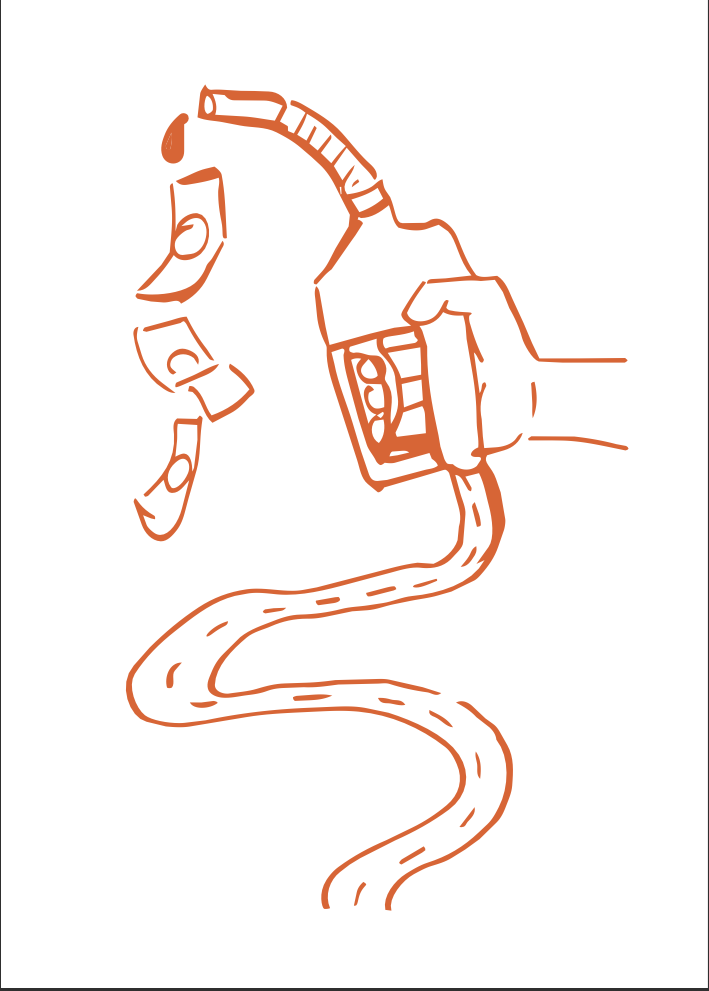
“[The community] wants to be part of something – part of an experience,” he told me, “rather than just being somebody having their wallet vacuumed out for two hours.”
One theater offers familiarity. The other asks for discovery.
Turner said movie audiences have increased by 15% because of young people. That growth suggests that students are not necessarily abandoning moviegoing altogether, but are simply deciding what kind of moviegoing matters to them.
Maybe people are beginning to remember what made going to the movies magical in the first place, not knowing exactly what they’ll find once the lights go down.