





































A gallery exhibit at the Corvallis Museum titled “Strength, Struggle, Survival: A Community Response to 250 Years,” was unveiled on July 2.
The exhibit, running through March 2027, examines how power, participation and civic engagement have shaped community life as the nation approaches the 250th anniversary of the Declaration of Independence.
The exhibit arrived as communities across the United States marked the nation’s semiquincentennial in 2026.
According to the Corvallis Museum’s curator of exhibitions, Natascha Adams, organizers chose to frame the project going beyond a traditional celebration, working with eight to 10 community partners over approximately nine months to develop the exhibit.
“We wanted to be really intentional on the language that we used, so for us this is acknowledging the anniversary versus commemorating or celebrating the anniversary,” Adams said.
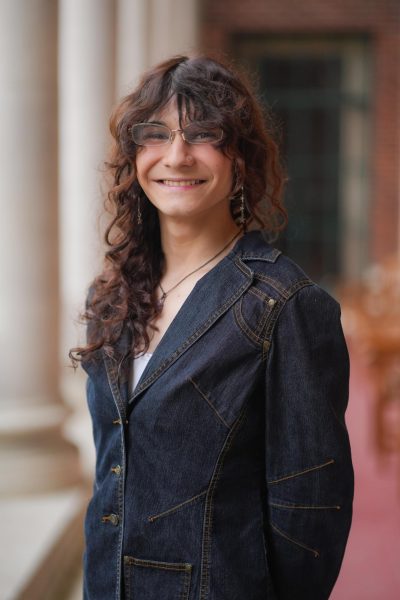
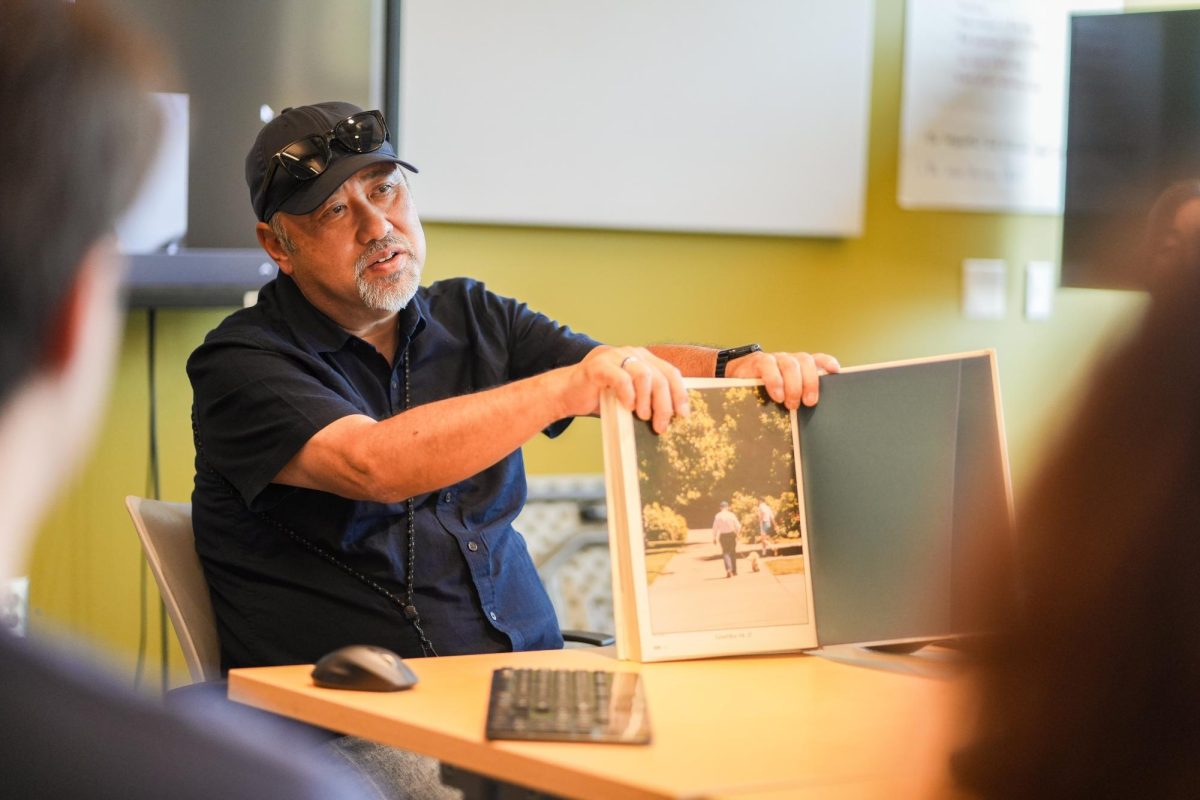
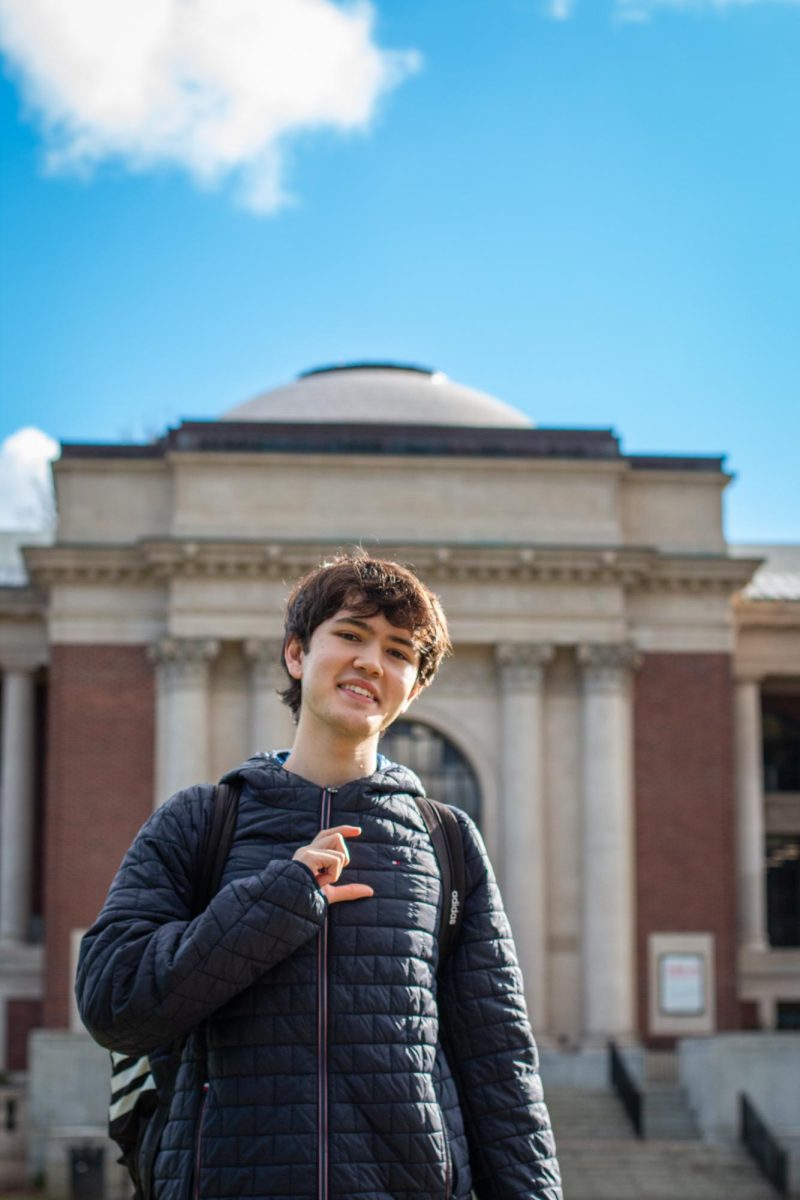
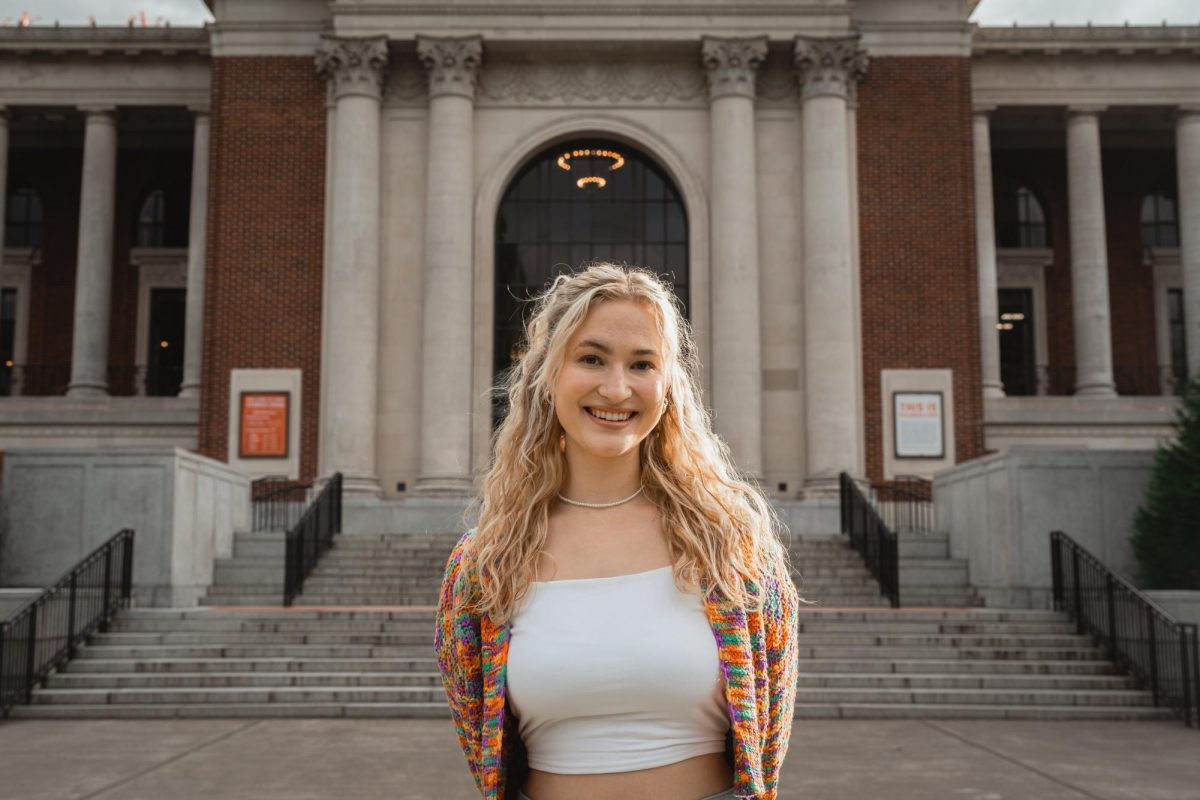
The exhibit is divided into four sections. The first, titled Who Had Time for a Revolution?, examines the lives of several signers of the Declaration of Independence and compares them with community members in Benton County who share similar occupations.
Participants, who included a doctor, minister and tree farmer, were asked how they view the anniversary, how they participate in their communities and how they find time to remain civically engaged. Photographer Grant Cunningham conducted interviews and produced portraits for the display.
According to Adams, the section emerged from discussions about who was able to participate in the founding of the nation and what civic participation looks like today.
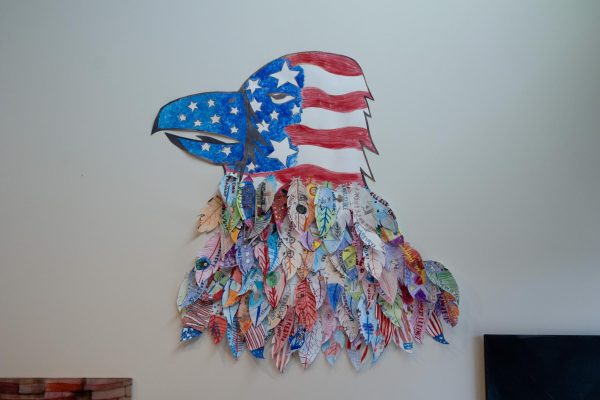
The second section focuses on how people remember history.
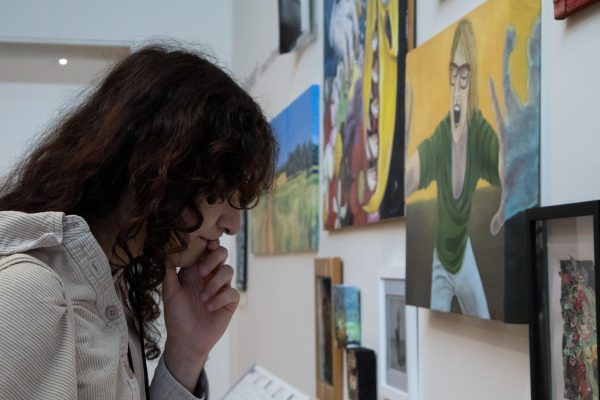
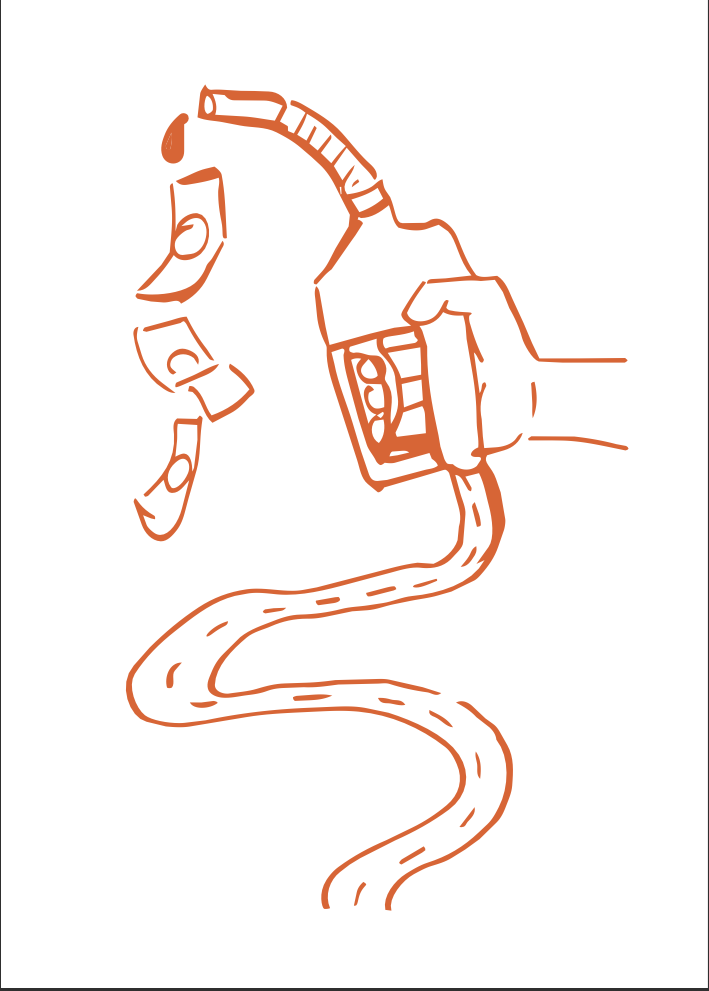
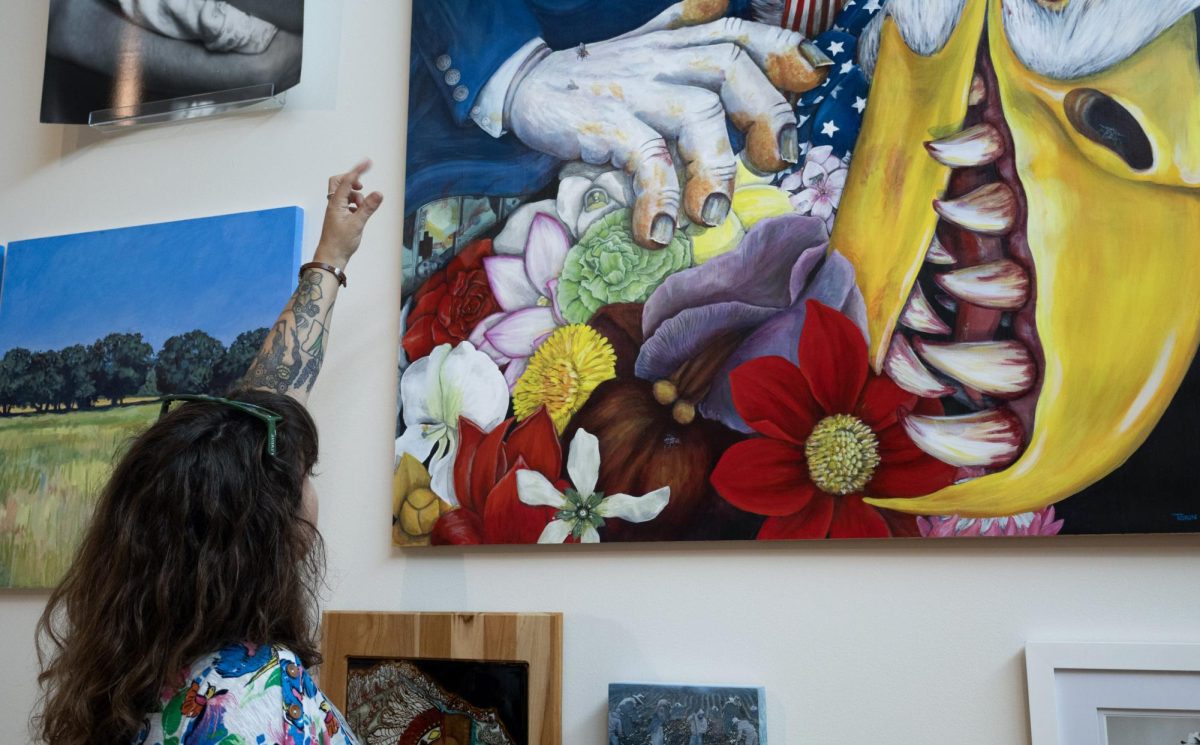
Museum staff issued a public call for artwork from individuals with ties to Benton County, receiving submissions from elementary school students, community members and professional artists.
The selected works are accompanied by artist statements explaining their connections to the exhibit’s themes.
“My hope with this really was that people were responding, like, ‘How are you feeling right now?’ and I think this art does reflect that,” Adams said.
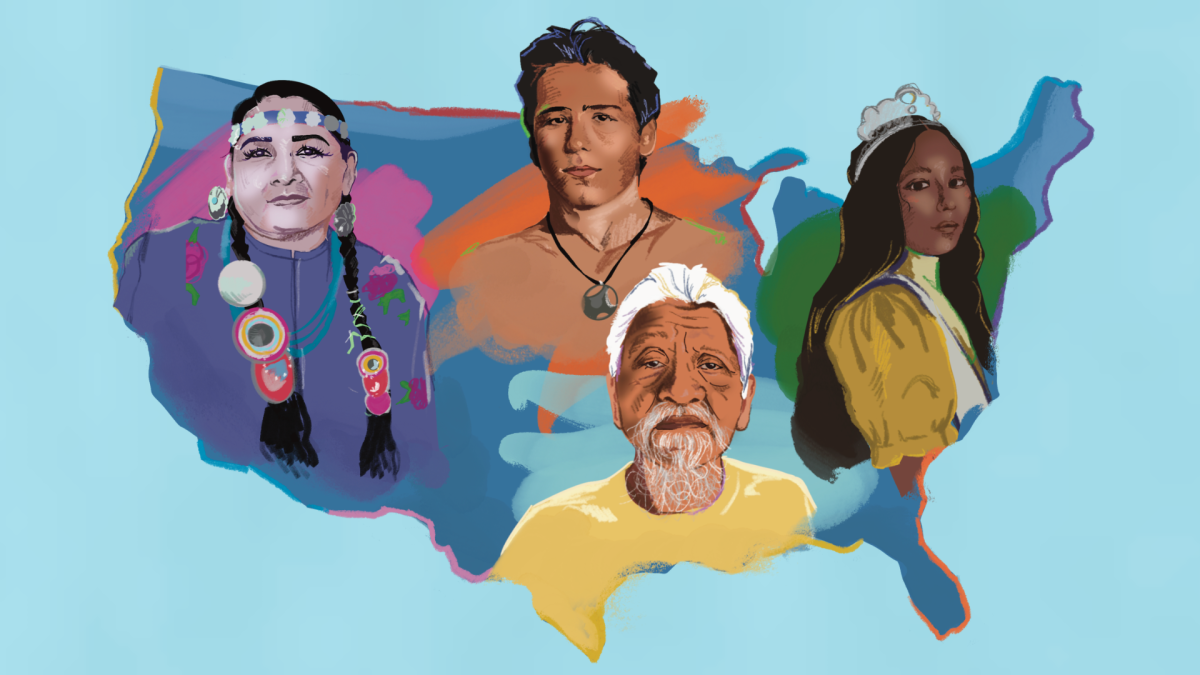
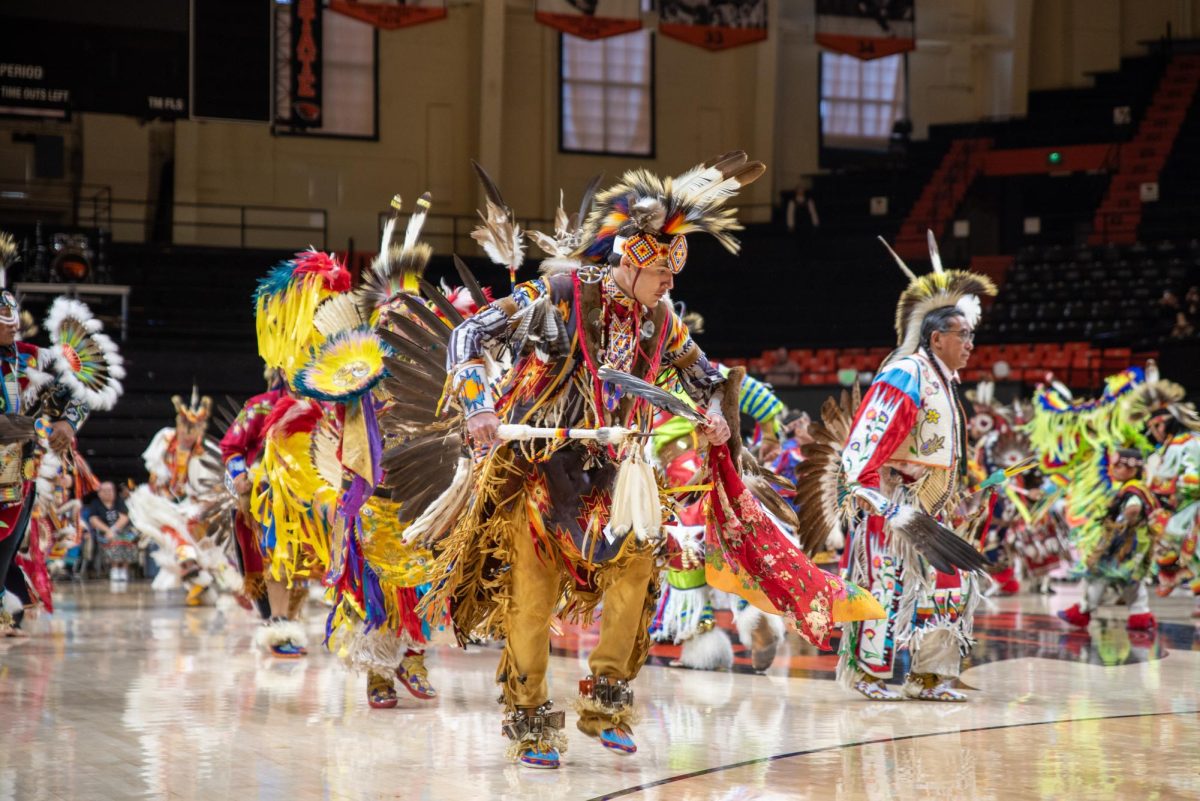
A third section examines Native American history and representation. The display references language in the Declaration of Independence that described Native Americans as “merciless Indian savages” and explores the lasting impacts of treaties, broken promises and federal policies on Indigenous communities.
Organizers worked with community partners, including Luhui Whitebear, a professor of Indigenous studies at Oregon State University, to develop that portion of the exhibit.
The final section traces how community members advocated for changes that ultimately reshaped a familiar space for many into an effective public gathering place.
“We are highlighting Corvallis Martin Luther King Jr. Park, which has its own history here,” Adams said. “The community decided that the name that it had was not reflective of the way the park was being treated and used.”
Adams mentioned the section is intended to connect the nation’s founding ideals with ongoing community efforts to build a more inclusive civic life.
“The declaration is a very aspirational document,” Adams said. “We know the founders knew that what they wrote was not at that point everybody’s truth, but we use that document…to help us continue to aspire.”
Through artwork, interviews and historical interpretation, the exhibit offers a local perspective on how Benton County residents are reflecting on 250 years of American history.
“I think there’s enough art represented here, especially when you read the statements from the artists, that this is, I think, a pretty accurate snapshot of our country,” Adams said.