





























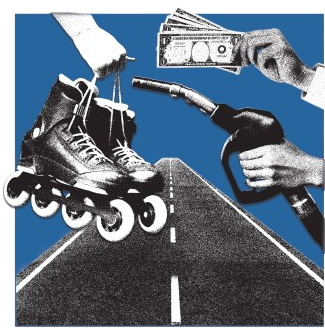





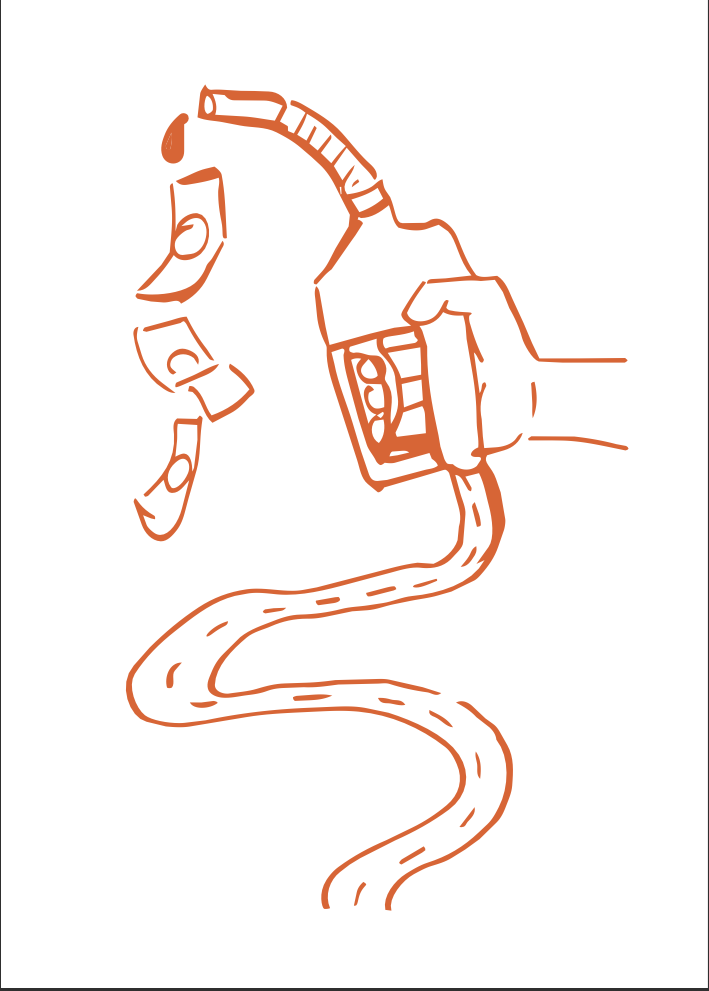
Summer has begun again as students start to draft their plans in their minds, but one threat looms over them—the price of gas is now higher than ever in our economy.
According to the U.S. Energy Information Administration, the average price of gasoline across all grades is at its highest historically, with an average of $4.609 per gallon, making the budget for traditional road trips higher; however, students have come up with alternate means of getting around.
One way is carpooling, which has benefits like reducing the cost of things like gas and parking. There’s also the perk of being able to use the carpool lanes depending on where students end up going.
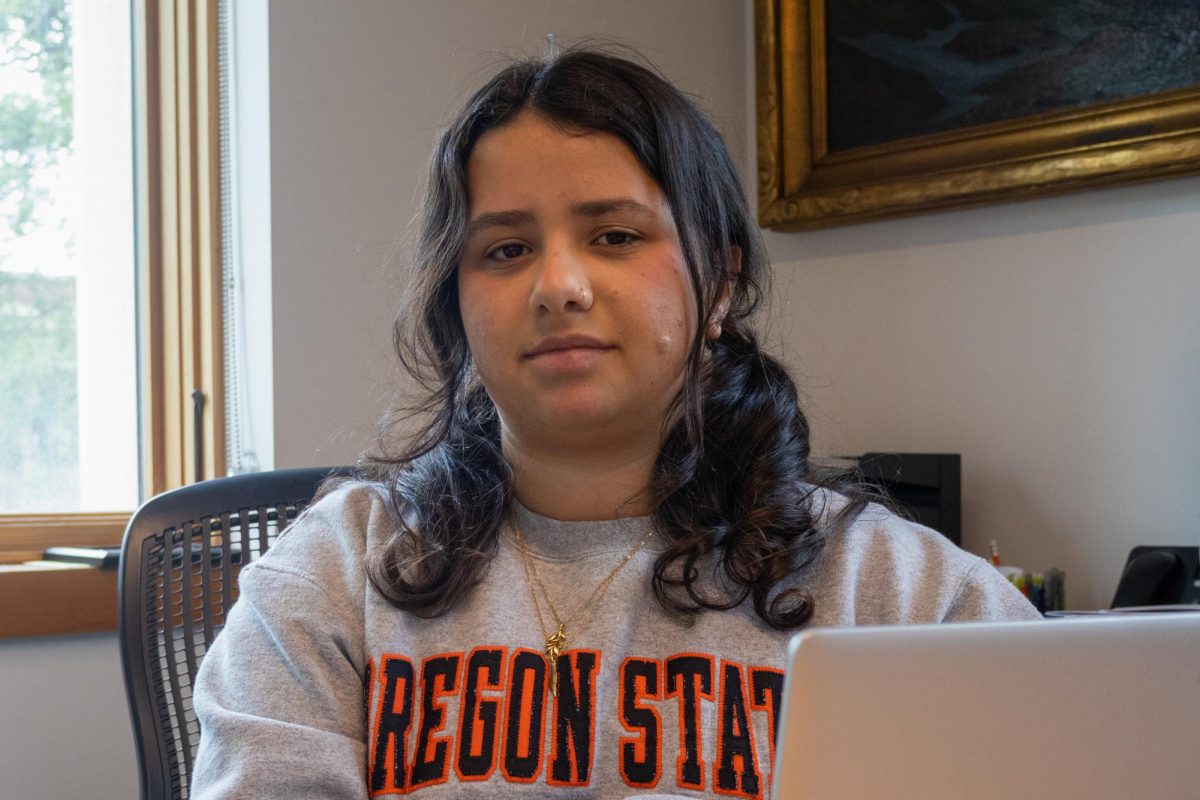
McKenzie Jewell, a third-year human development and family sciences major at Oregon State University, says carpooling can be worthwhile when you make the drive more entertaining or find ways to stay in touch with friends across the distance.
“It’s really fun to listen to playlists or albums in the car, and during the week it’s really good to catch up over the phone when we can’t meet up in person and play video games or call and catch up,” Jewell said.
Another alternative transportation method is the Amtrak system, which can easily take people to a number of big cities through round-trip tickets that can cost more than a full tank, but some vehicles may be required to fill up twice in one trip, so it can save money depending on the distance.
According to Amtrak’s website, trains can be an alternative for students seeking a new way to experience travel.
There are also FlixBus or Greyhound buses that can transport people all across the United States and have amenities like Wi-Fi, according to their company websites.
Similarly to taking a train, buses may be more cost-effective, but it depends on the distance people want to travel.
If students just want to go somewhere locally and don’t want to park their car in the city of Corvallis, they can also use Uber or Lyft.
“On a weekend that I used Uber, they’re obviously going to charge more because it’s more in demand, but it was beneficial because I wasn’t able to drive,” said Kiana Bjorem, a third-year student majoring in both environmental sciences and environmental engineering at OSU.
For some, it can be awkward at times, but students could roll the dice on a driver that either has something in common with them or just drives without trying to make conversation—a dream for introverted students.
These are but a few alternate transportation methods that can be used by students to avoid both the drain on their gas tanks and their wallets.